Premium OEM and Factory Direct cutting solutions engineered to satisfy global safety rules and kitchen environments
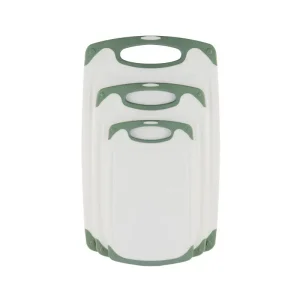
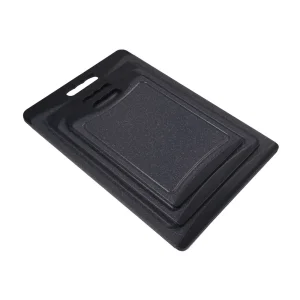
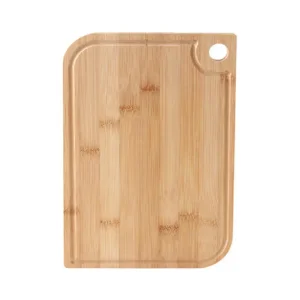
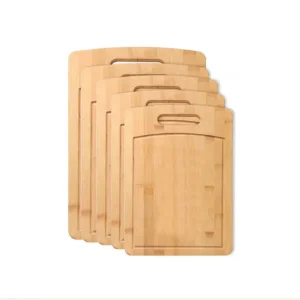
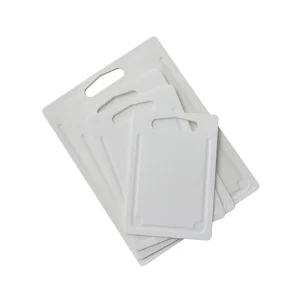
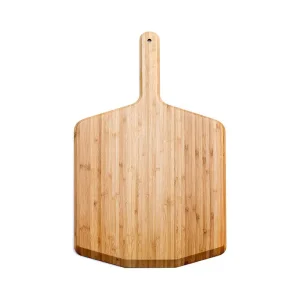
The global market for commercial and domestic kitchenware is undergoing a significant transition. Rigid wood and traditional heavy plastics are increasingly being augmented by flexible, high-performance polymers. This transition is motivated by kitchen workflow optimization, safety requirements, and shipping space conservation. For high-volume B2B buyers—ranging from multinational retailers like Walmart and Costco to specialty hospitality suppliers—securing a reliable supply of CE-certified flexible cutting boards is critical to meeting performance standards and product safety expectations.
Flexible cutting mats provide a unique advantage: they combine the knife-friendly surface of standard polyethylene with a pliable matrix that allows cooks to funnel prepped ingredients directly into pots and pans. In commercial settings, this minimizes prep time and reduces spills. To survive high-temperature sanitation cycles in commercial dishwashers and resist knife-scarring without shedding microplastics, these boards demand rigorous polymer engineering and strict regulatory compliance.
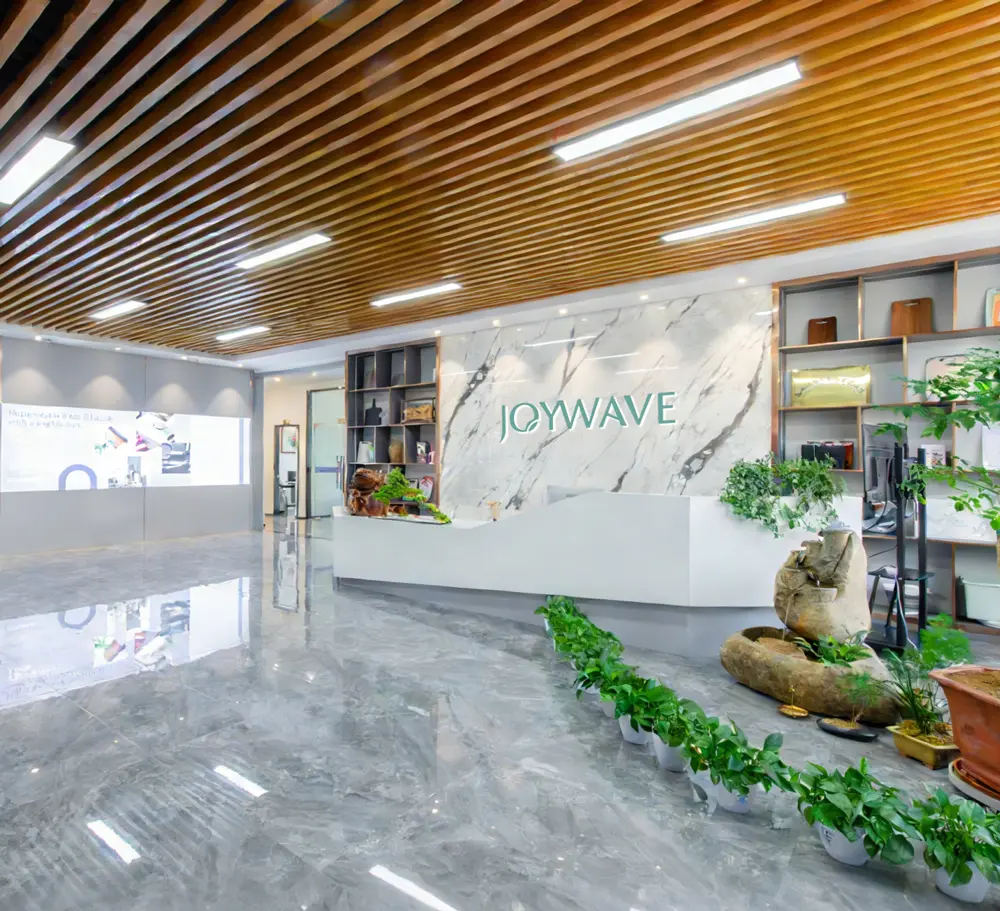
As a seasoned B2B OEM manufacturing partner based in Ningbo, China, JOYWAVE has been at the forefront of this industrial shift since 2013. Integrating materials science with automated production, we supply retail platforms globally, ensuring that every batch meets standard food safety certifications.
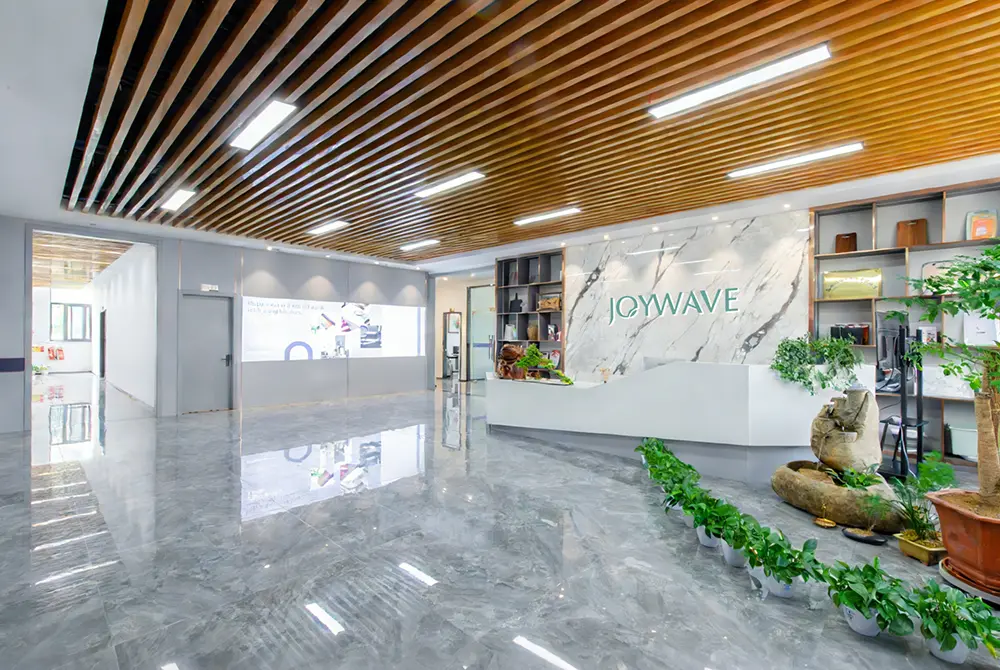
Manufacturing Excellence Since 2013
Why CE marking is the fundamental benchmark for plastic food-contact safety in the European market
CE Certification serves as a declaration that a product complies with the essential health, safety, and environmental protection requirements established by European Union legislation. For flexible cutting boards manufactured from plastic materials, this certification is closely linked to compliance with European food contact regulations, notably Regulation (EC) No 1935/2004 and Commission Regulation (EU) No 10/2011.
Under these regulations, overall migration limits (OML) and specific migration limits (SML) are measured to ensure that chemical components do not transfer from the plastic board into food in quantities that could endanger human health, bring about an unacceptable change in the composition of the food, or cause a deterioration in its organoleptic characteristics. This compliance is essential for high-volume B2B importers to pass customs inspections and mitigate product liability risks.
Establishes the general framework for all food-contact materials. It guarantees that our polymers do not release hazardous substances into food, protecting consumer safety and food purity.
Strictly specifies plastic composition, raw materials, additives, and migration test parameters. Ensures that our flexible PP and PE boards do not exceed overall and specific migration limits.
Our quality system guarantees tracing of polymer batches back to raw material suppliers. Importers receive full Documentation of Compliance (DoC) for streamlined customs clearances.
Flexible cutting boards require a careful balance of material characteristics. The polymer must be sufficiently soft to protect knife edges from premature dulling, yet tough enough to resist deep incisions that can harbor bacteria. At the same time, it must be flexible enough to bend without snapping.
How automation, geographical positioning, and integrated supply networks optimize OEM procurement
By leveraging robotic demolding, continuous material conveying systems, and automatic inline cooling matrices, JOYWAVE minimizes manual handling. This reduces physical defects and increases throughput.
Our facility is situated close to the Port of Ningbo-Zhoushan, one of the world's busiest container hubs. This enables direct container freighting, minimal domestic transport times, and optimized shipping schedules.
JOYWAVE offers comprehensive in-house tooling capabilities. We translate clients' 2D and 3D drawings into custom molds, significantly reducing prototyping lead times and initial tooling costs.
A transparent look inside our manufacturing workflow, showing how polymer materials are transformed into durable products
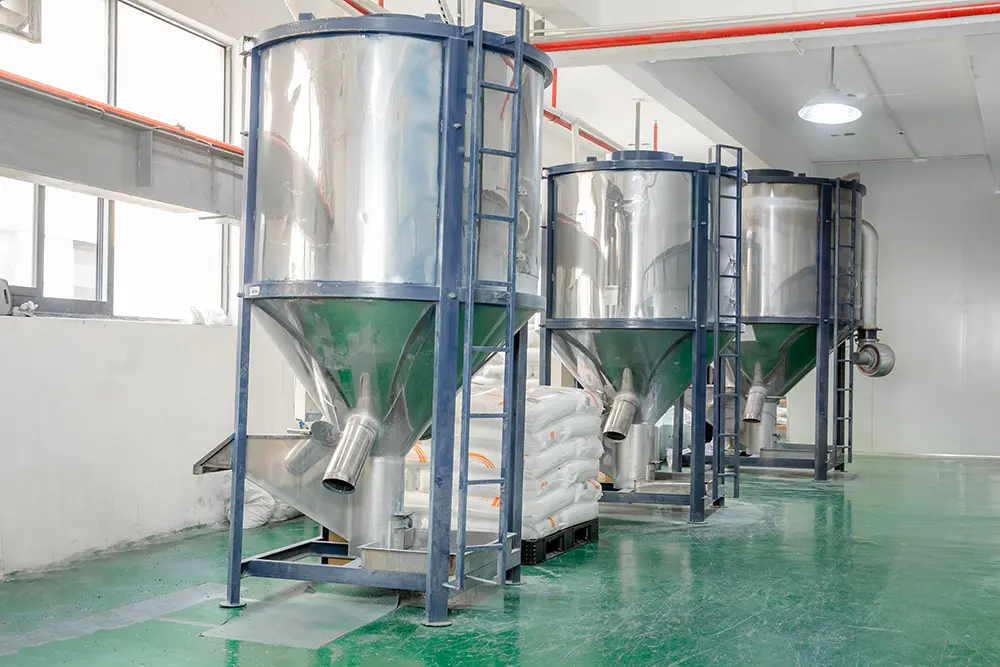
Food-grade polymer resin is mixed with colorants and stabilizers to ensure uniform dispersion and color stability.
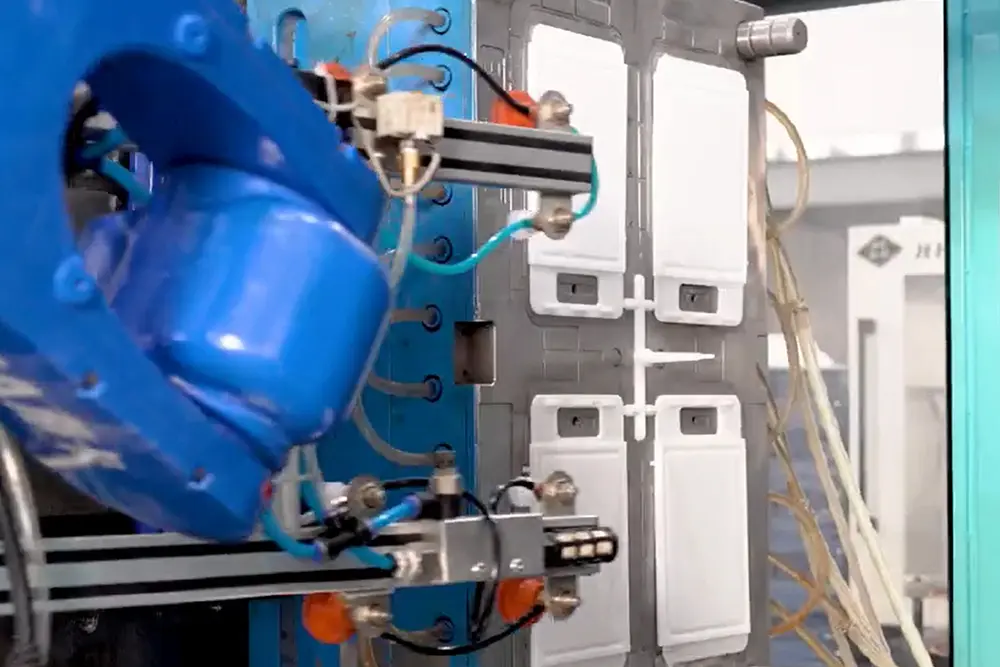
The melted polymer is injected under high pressure into custom-designed tooling cavities to form the board base.
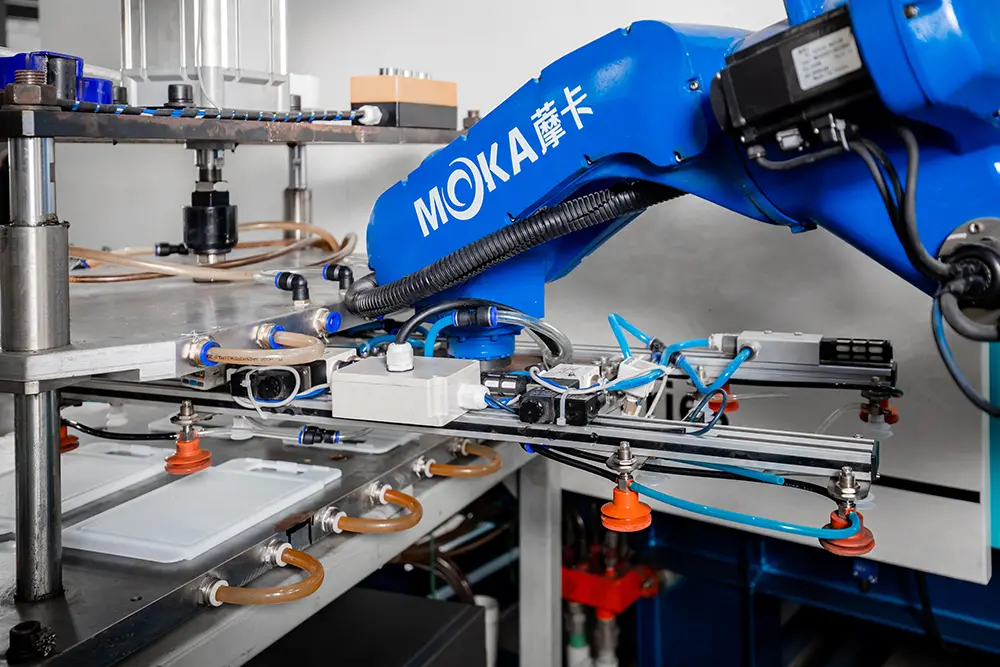
Automated robotic arms demold the hot plastic parts, preventing surface distortion or hand contact defects.
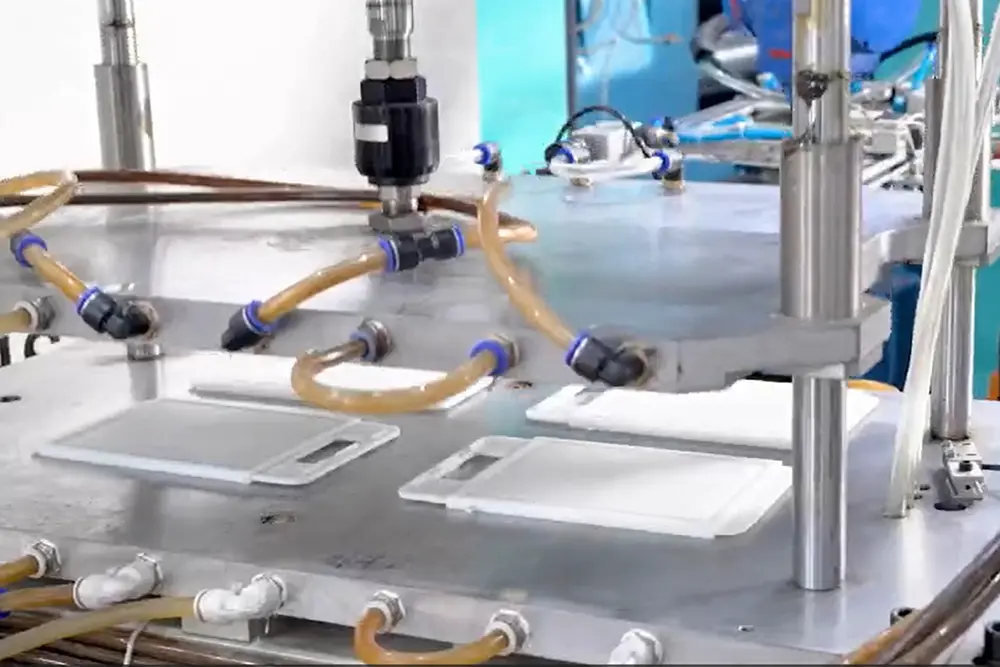
Freshly molded boards undergo controlled cooling under physical constraints to prevent warpage and ensure flatness.
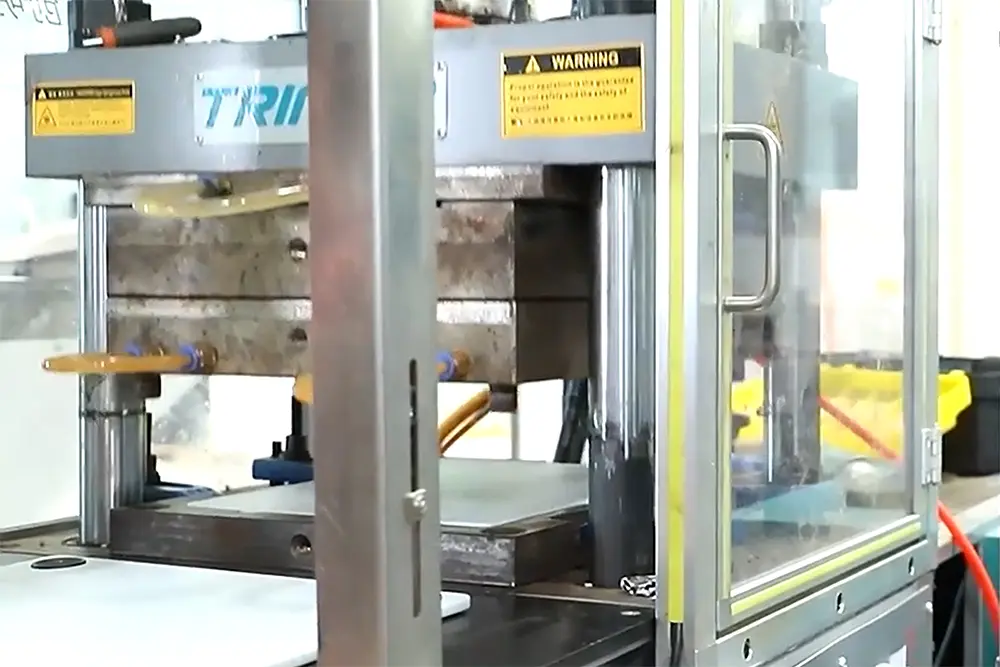
Thermoplastic Elastomer (TPE) is co-injected on the edges to create a non-slip grip and prevent sliding on countertops.
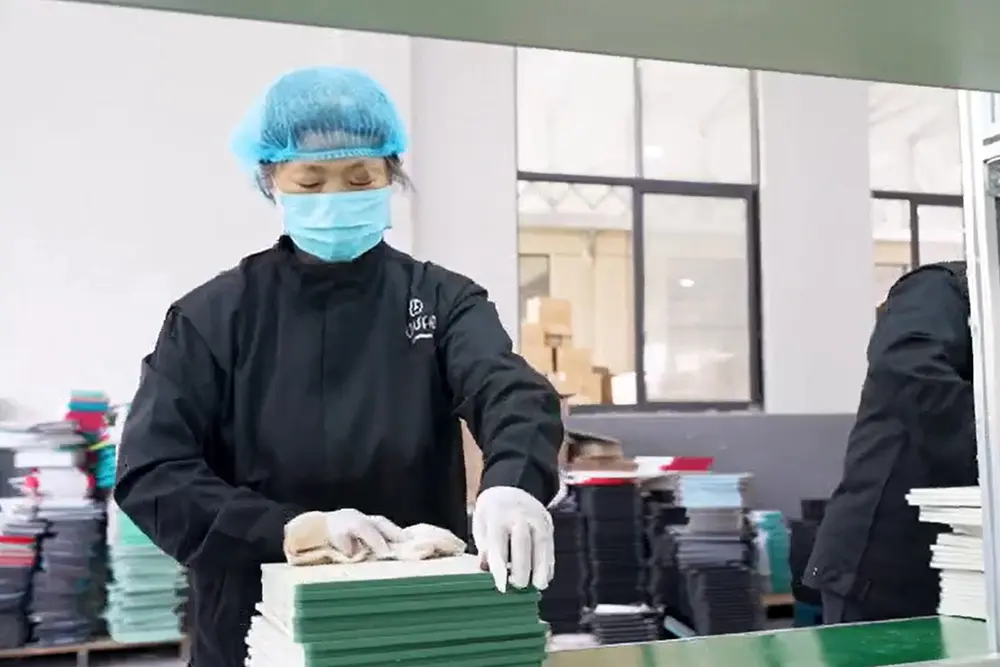
The cutting boards are wiped, de-dusted, and inspected for molding defects or material imperfections.
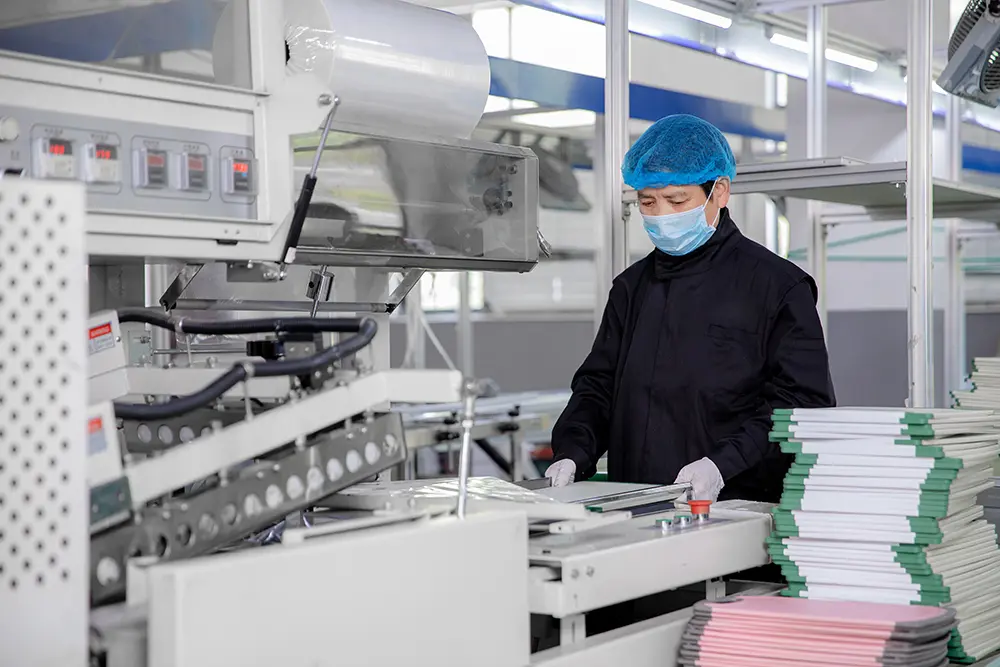
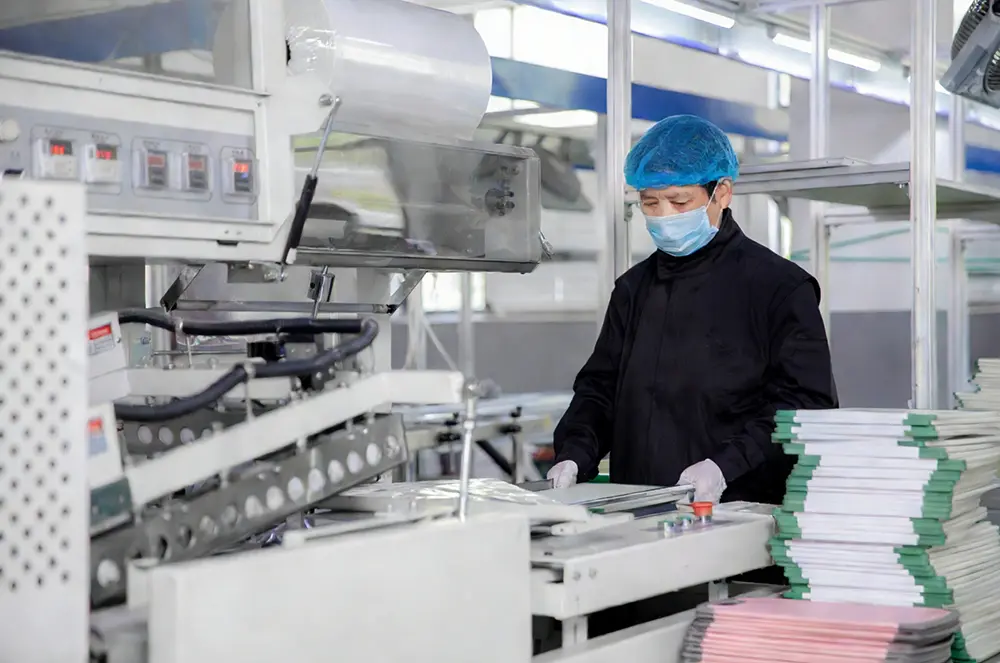
Branded sleeve labels are applied, and the board packs are shrink-wrapped to preserve hygiene during transport.
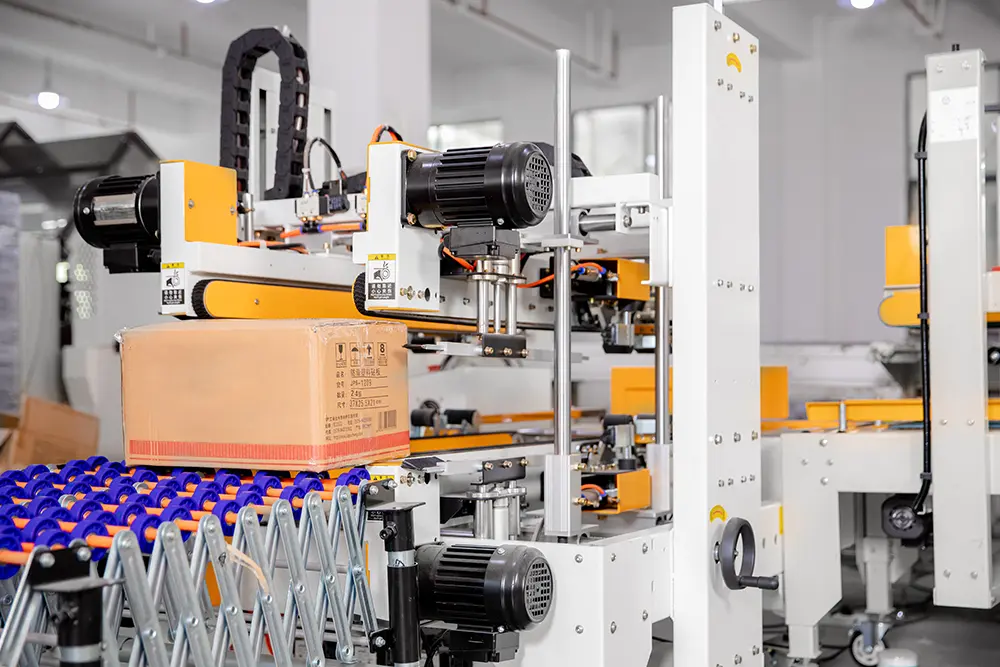
Finished goods are packed into corrugated master cartons, labeled with barcodes, and palletized for export shipping.
Our OEM manufacturing line is structured to cater to different operational scenarios across regions, including North America, Europe, Latin America, and Australia:
Essential guidance on certifications, materials, and manufacturing capabilities from our engineering team
Discuss your custom OEM requirements with our engineering team. We provide full-scope support, including mold development, regulatory documentation, and cargo shipping logistics.
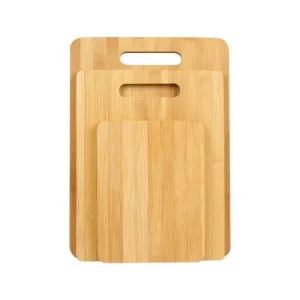
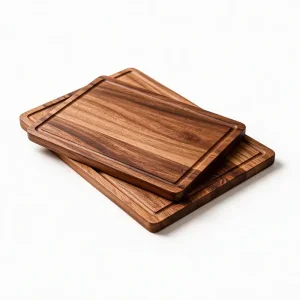
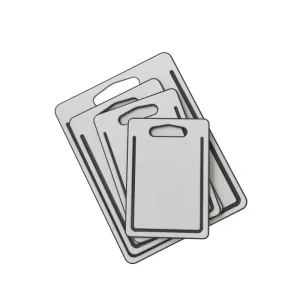
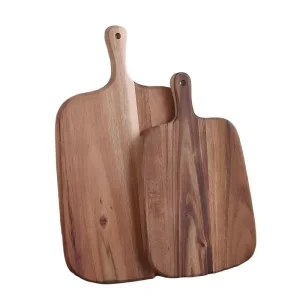
Explore our wider range of kitchen essentials, including bamboo, wood, and composite boards
 Joywave