Explore our core product lines featuring top-grade acacia, walnut, bamboo, and specialized hybrid materials engineered for durability and hygiene.
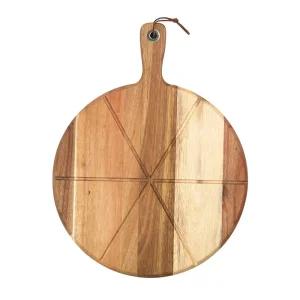
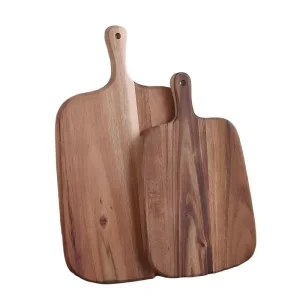
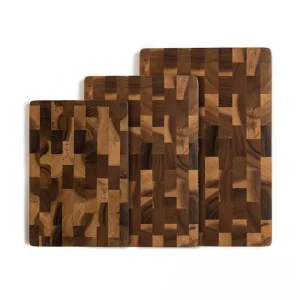
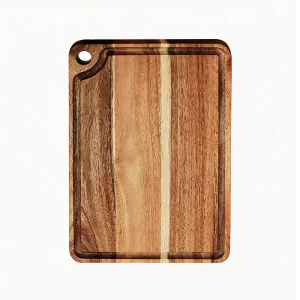
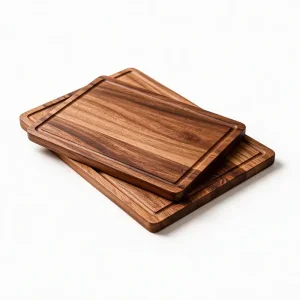
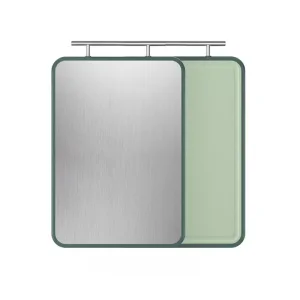
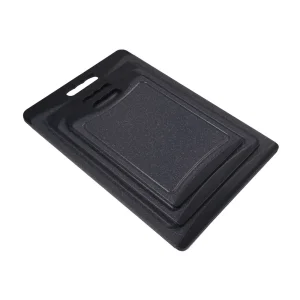
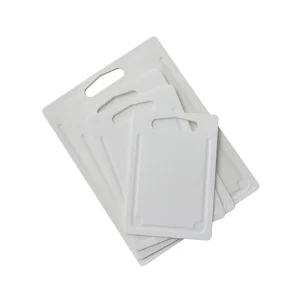
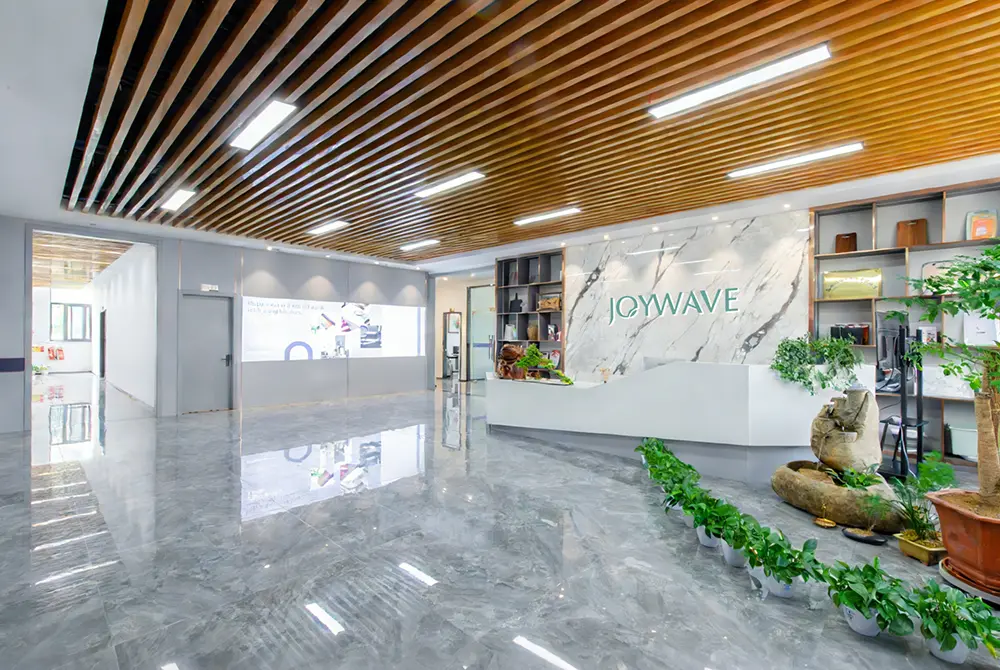
Founded in 2013 and strategically headquartered in Ningbo, JOYWAVE stands as a premier OEM/ODM manufacturer and trusted global supplier of kitchenware. With a primary specialization in structural wood processing, culinary grade board fabrication, and multi-material integration, we serve major commercial markets across North America, Europe, and the APAC region.
Through our modern manufacturing systems, JOYWAVE blends high-capacity manufacturing with structural precision. Over our 12+ years of continuous operations, we have streamlined our in-house layout, development, raw material processing, and quality assurance framework to design products that conform to global retail requirements.
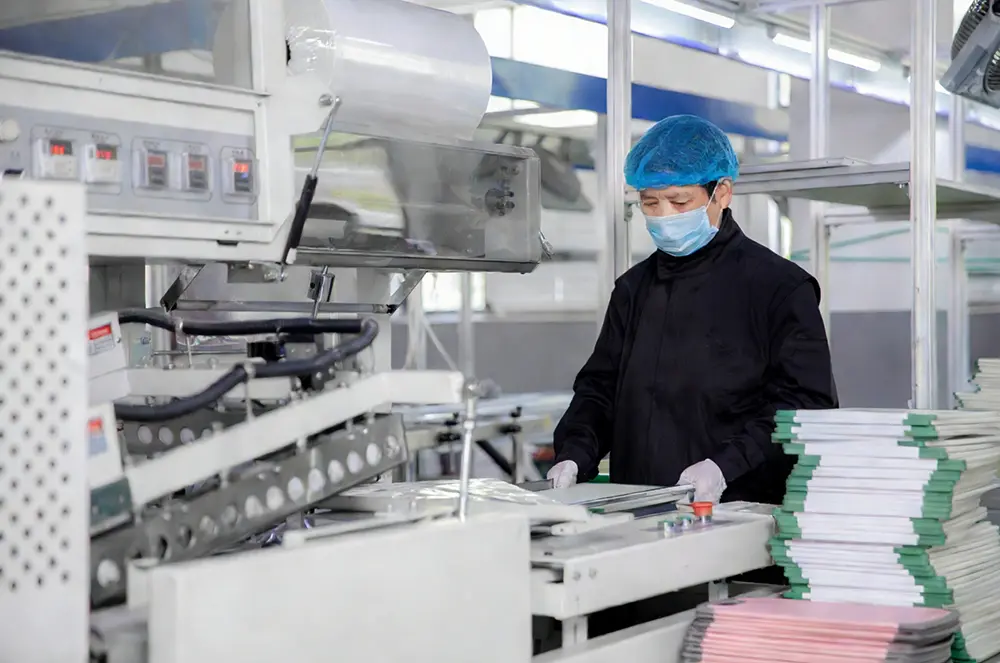
Our core competency focuses on high-performance wood cutting boards, carving stations, and functional food service trays. By selecting robust raw materials, we specialize in building boards using sustainably sourced Acacia, Walnut, Bamboo, as well as high-molecular-weight Polypropylene (PP), Polyethylene (PE), Stainless Steel, and clean composite fibers like Wheat Straw.
Over time, this material knowledge has allowed us to extend our capabilities into a unified "Cutting Board & More" portfolio. Today, JOYWAVE manufactures storage solutions, baking tools, cutlery sets, and custom-molded kitchen gadgets, giving our global B2B clients a single source for their inventory.
How JOYWAVE manages international logistics pipelines to secure direct supply routes to top-tier retailers worldwide.
Our factory services leading multi-national enterprises through both direct partnerships and distribution channels. We maintain ongoing supplier relationships with retail conglomerates including Walmart, Costco, Macy's, HomeGoods, and Williams Sonoma. With strict quality systems and logistics integration, JOYWAVE supports retail compliance, import safety inspections, and scalable cargo container transport for domestic and international markets.
An Industrial Research Whitepaper on Materials, Factory 4.0 Standards, Sourcing, and Future Industry Trends
In the modern kitchenware industry, selecting raw timber involves balancing aesthetic value with physical performance. High-density hardwoods are favored over softwoods due to their tight grain structures and natural moisture resistance. Acacia (Acacia mangium) has emerged as an industry-standard material for premium commercial boards. Its high Janka hardness rating (typically between 1100 to 1750 lbf) makes it highly resistant to deep knife scratches while protecting knife edges.
Compared to Maple or Beech, Acacia contains natural oils that help repel water, reducing warp risks in hot, humid kitchens. End-grain boards position wood fibers vertically, absorbing knife impacts and allowing fibers to self-heal. Edge-grain and face-grain construction offer structural stability and highlight the wood's distinctive light-and-dark patterns, making them popular for serving platters and charcuterie boards.
For global buyers and retail supply chains, quality compliance is a key requirement. Exporters must meet various international standards before products can enter consumer markets:
JOYWAVE coordinates these certifications to ensure all export containers comply with import regulations, minimizing logistics risks for overseas buyers.
Manufacturing high-quality kitchenware at scale requires combining raw material sourcing with advanced production engineering. At our Ningbo facility, JOYWAVE utilizes modern production lines and digital supply chain tracking to maintain consistent quality:
Modern consumer demand for cutting boards extends beyond basic food preparation. Products are optimized for specific kitchen and dining environments:
How we manufacture high-performance kitchenware from raw material selection through to final packaging.
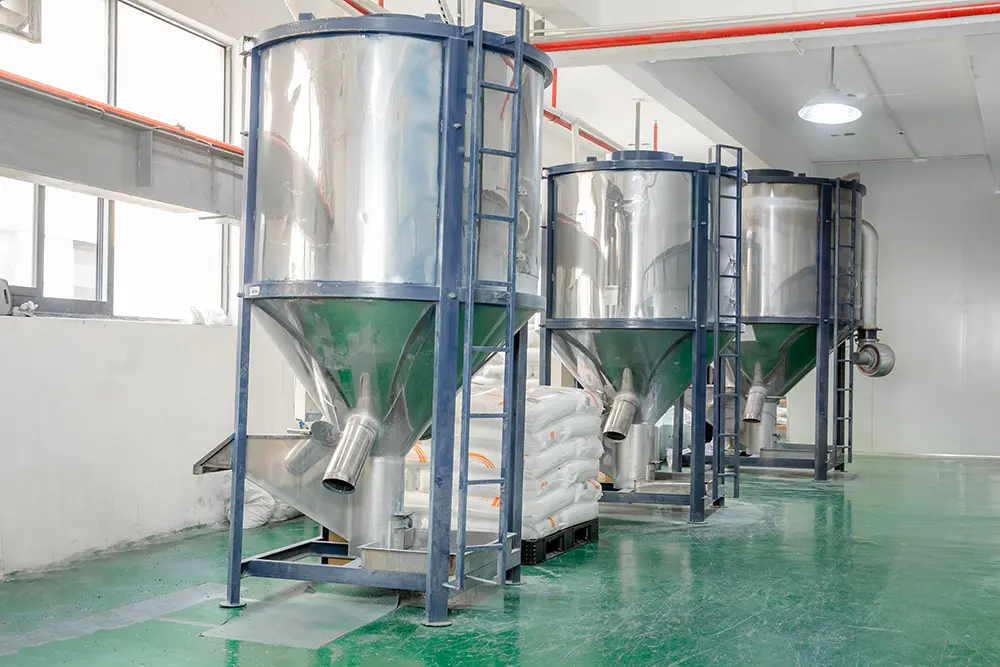
We source premium timber and select food-grade color powders and raw polymers, mixing them in automated equipment to ensure consistent material blending.
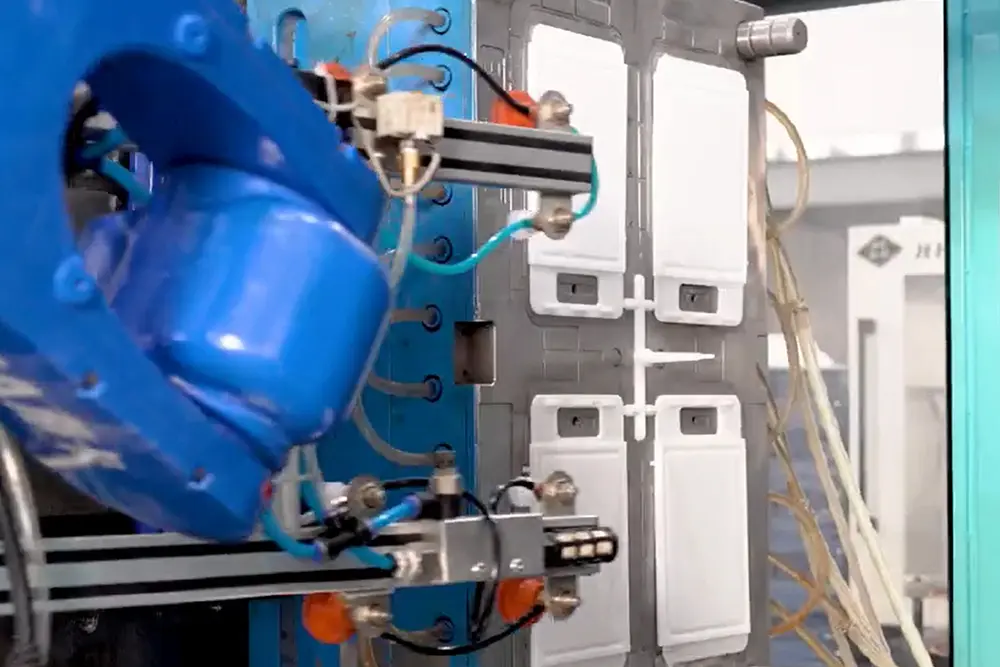
Mixed polymers are loaded into modern injection molding machines. For wood boards, timber blocks are pressed and bonded using food-safe resins under high pressure.
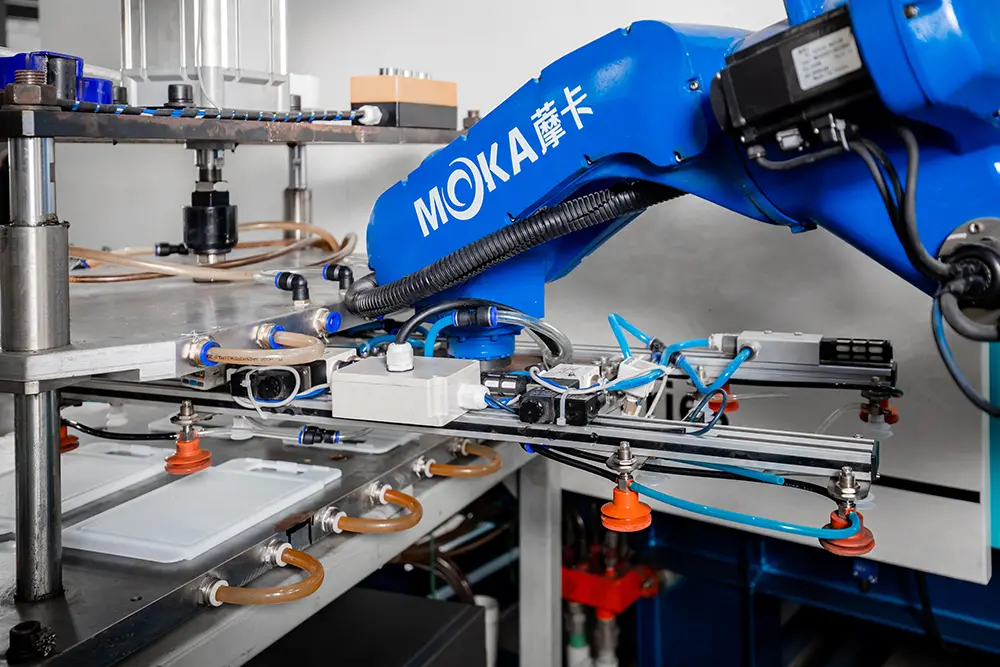
Robotic arms retrieve molded components from the machinery, transferring them to automated cooling racks to maintain structural integrity.
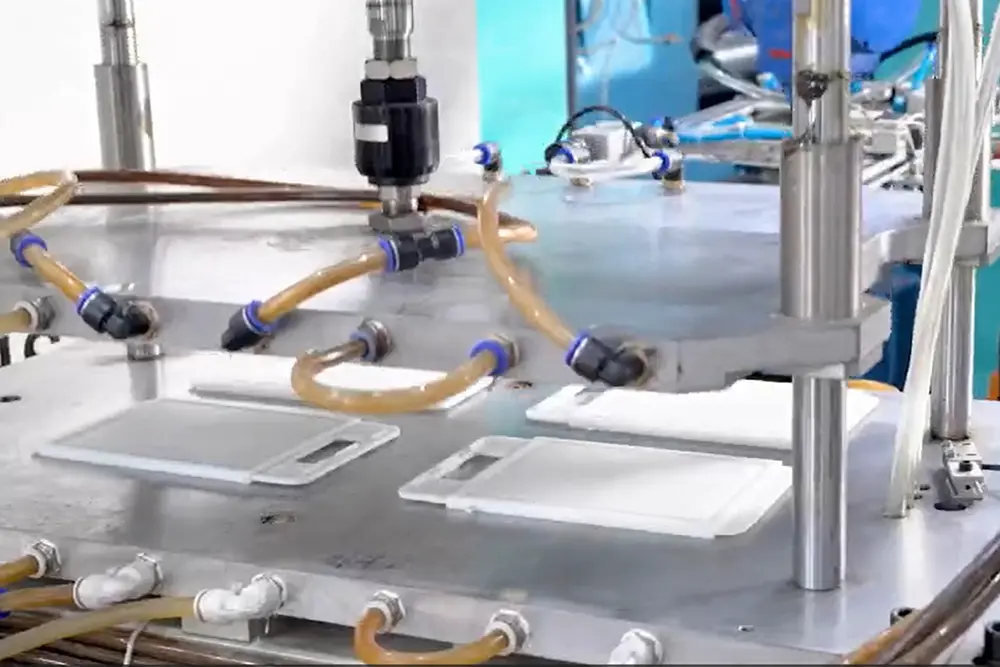
Boards undergo controlled cooling and calibration presses to ensure flat surfaces and prevent warping during subsequent processing steps.
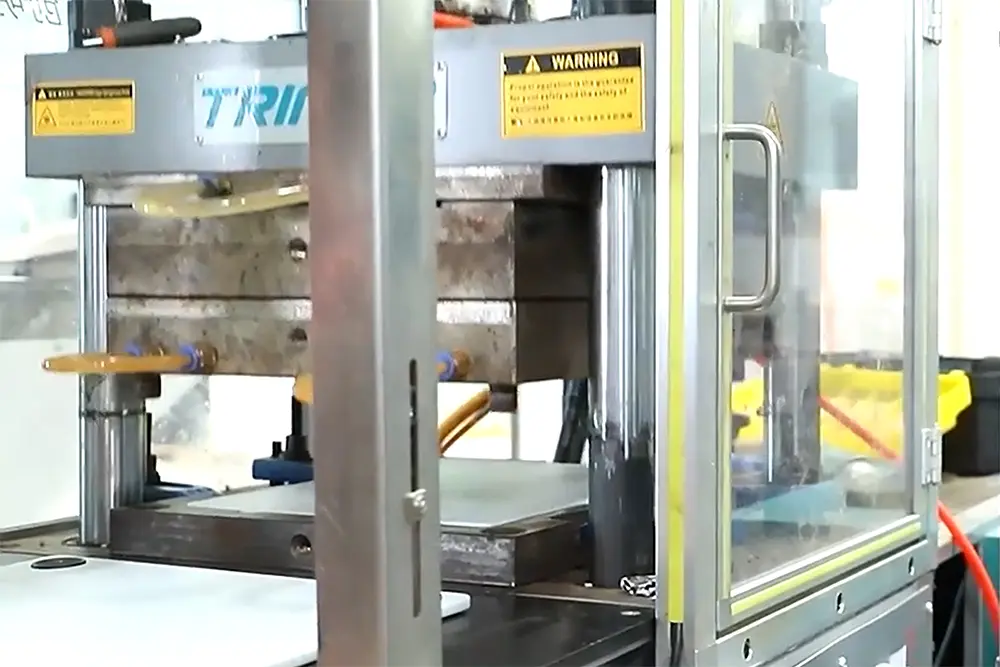
Secondary materials, non-slip edges, or protective natural oils are applied to protect the wood grain and improve handling safety.
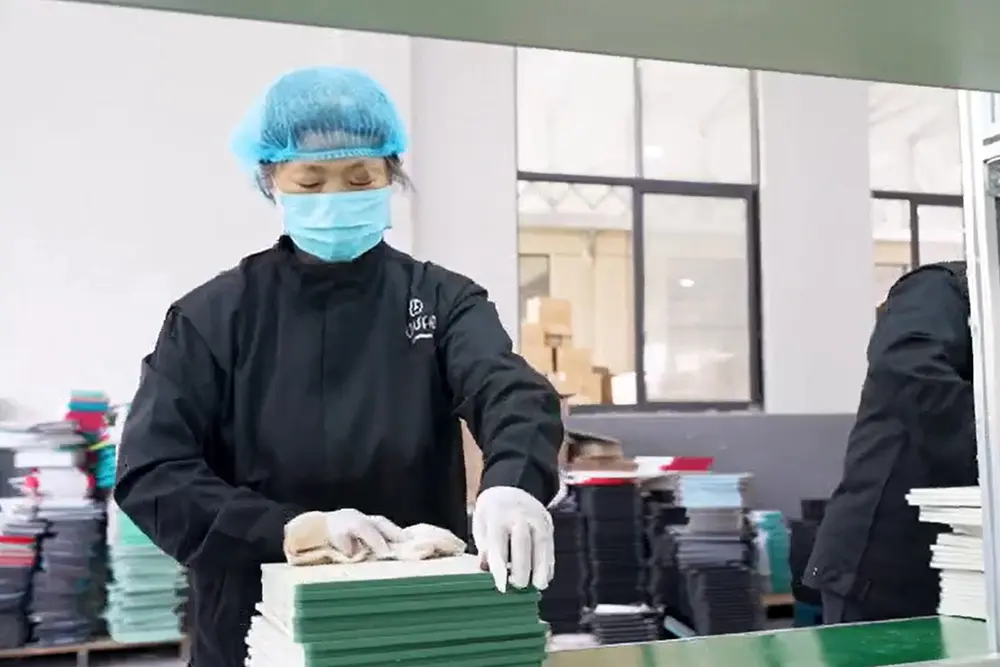
Each board is finely sanded to remove rough fibers, cleaned with automated dust-extraction equipment, and inspected for wood defects.
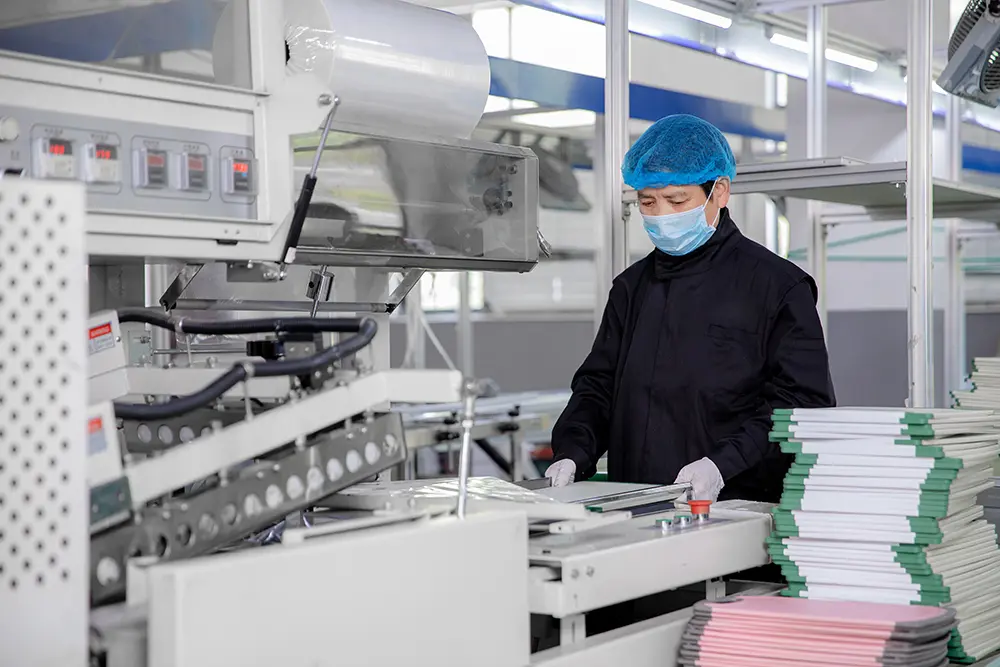
We apply client-specified barcodes, hangtags, and packaging, then seal the boards in protective shrink wrap to prevent moisture changes during transport.
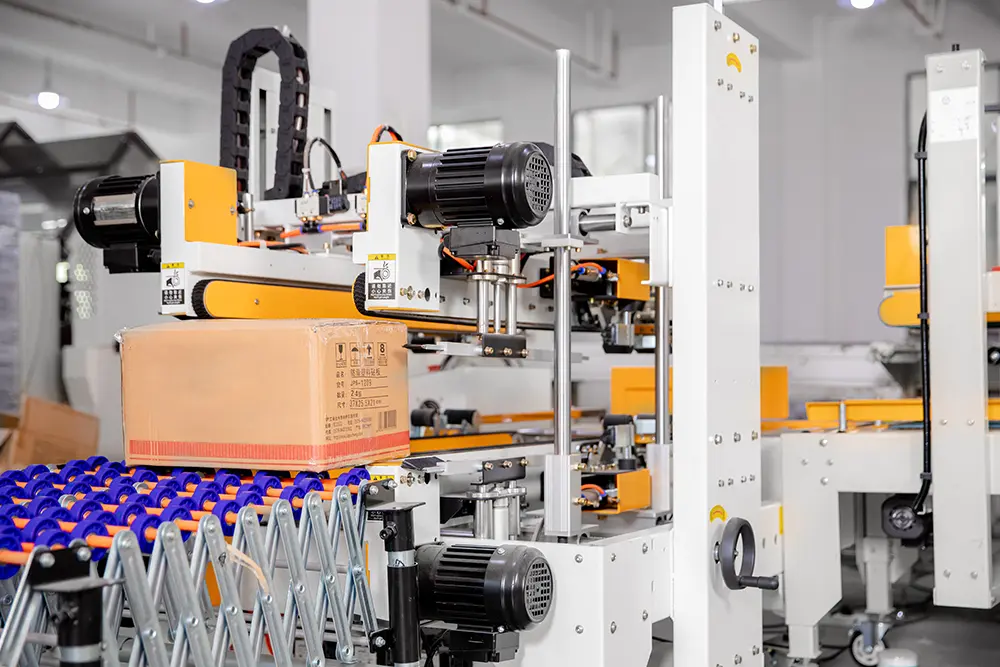
Finished goods are packed into double-wall corrugated export master cartons, palletized, and stored in our climate-controlled warehouse for shipping.
Why retail brands and commercial kitchenware importers select our Ningbo factory for their procurement needs.
We source our wood materials from responsibly managed forests, ensuring environmental sustainability and compliance with strict import regulations in international markets.
From CAD concepts to physical prototypes, our engineers translate your specifications into finished products, including custom shapes, sizes, juice grooves, and branding.
Our quality control processes inspect raw timber moisture levels, adhesive bonding strength, surface finish consistency, and packaging integrity at every step of production.
Answers to common questions from procurement professionals and corporate buyers looking to import high-quality kitchenware.
Wood is a natural, hygroscopic material that absorbs and releases moisture based on its environment. During long ocean voyages, high humidity inside shipping containers can cause boards with high internal moisture to expand, warp, or crack. JOYWAVE dries all raw timber to a stable 8% to 12% moisture level before production, helping the boards withstand atmospheric changes during transit.
Acacia is a highly durable hardwood rich in natural oils, providing excellent water resistance and a distinctive, varied grain pattern. Bamboo is a grass; while hard and eco-friendly, it contains more silica, which can dull kitchen knives faster. Hard Maple is durable but lacks the natural water-resistant oils found in Acacia, making Acacia an excellent choice for heavy-use environments.
We use food-safe, water-resistant wood adhesives that meet FDA 175.105 requirements for indirect food contact. These adhesives provide a strong bond that resists heat and moisture without releasing harmful chemicals, making them safe for daily food preparation.
For initial custom OEM orders, our typical lead time ranges between 45 to 60 days. This timeline accounts for custom tool and mold development, raw timber selection and drying, manufacturing, quality testing, and container loading. Repeat production runs can often be processed more quickly.
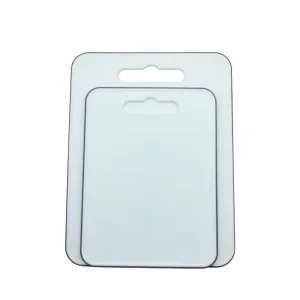
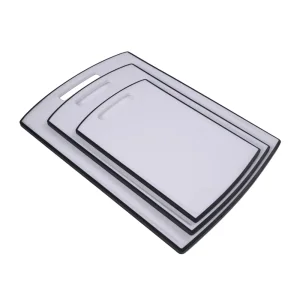
Explore our additional kitchenware products, manufactured with the same standards of quality and material integrity.
 Joywave