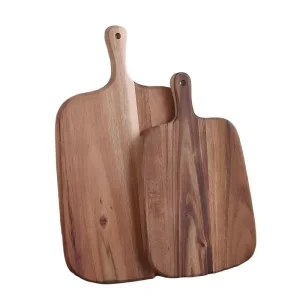
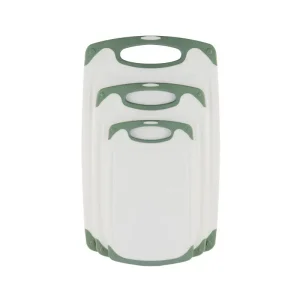
Explore our core product lines from state-of-the-art manufacturing facilities, engineered for global retail and food service standards.
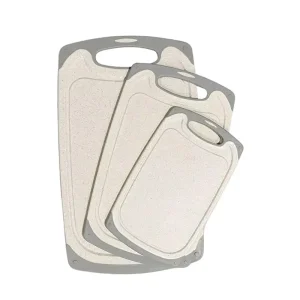
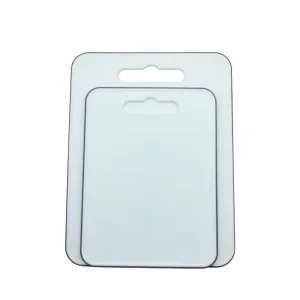
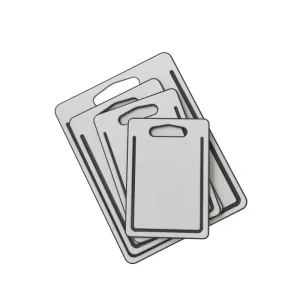
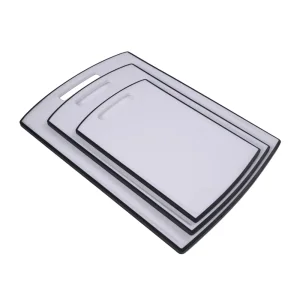
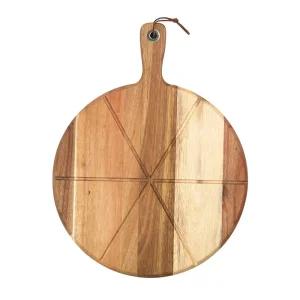
In the high-stakes culinary, retail, and commercial food preparation sectors, a Big Wooden Chopping Board is no longer treated merely as a commodity. Industry leaders and procurement executives at multi-national chains like Costco, Williams Sonoma, and Walmart recognize these large-format boards as essential food-prep platforms that demand material integrity, geometric stability, and structural longevity. Sourcing these products from a high-capacity, certified OEM factory in China has become a cornerstone strategy for global brands seeking to balance unit economics with uncompromising product safety.
Large wooden cutting blocks—ranging from heavy-duty butcher blocks to oversized end-grain prep stations—are subject to significant physical stresses. Throughout daily operations, they must withstand continuous knife impact, exposure to moisture fluctuations, and aggressive cleaning regimens. When boards lack proper engineering, they rapidly succumb to bowing, warping, and split joints. Consequently, selecting an elite manufacturing partner who understands wood science, automated production technology, and strict quality control protocols is paramount to avoiding costly recalls and brand damage.
Uncontrolled wood moisture is the primary driver of product failure. Top-tier manufacturers utilize state-of-the-art vacuum drying kilns to reduce raw wood moisture content to a precise 8% to 12%. This optimal window prevents cellular collapse, stabilizes the wood fibers, and ensures the board retains its flatness across diverse global destination climates.
Furthermore, consumer consciousness has transitioned decisively toward environmental accountability. International retailers require transparent supply chains verified by Forest Stewardship Council (FSC) certifications. The modern sourcing executive is not just buying a wooden slab; they are purchasing a highly engineered kitchen implement backed by documented environmental custody and rigorous chemical safety testing, such as FDA 21 CFR 175.300 (food-safe adhesives and finishes).
The global demand for large-format wooden chopping blocks is propelled by distinct shifts in both commercial food preparation and high-end residential kitchen design. Below, we break down the leading materials and construction methodologies dictating today's marketplace:
Selecting the appropriate wood species determines the final product's density, knife-friendliness, aesthetic appeal, and pricing category. Industry leaders prioritize three main hardwoods:
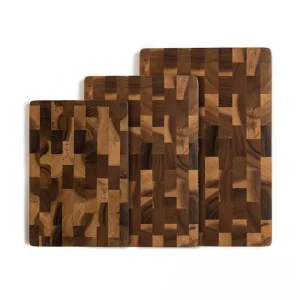
For large-format boards, grain orientation dictates both cost and professional utility. Edge-Grain boards utilize long strips of wood laid flat and glued side-by-side. This layout yields a beautiful, continuous grain visual and is highly cost-effective for retail sale. However, for high-intensity commercial use, End-Grain (where the wood fibers stand vertically, like a brush) is the gold standard. When a knife slices down, the fibers part to accept the blade and close back up, preserving the knife's sharpness and minimizing visible board wear.
China's kitchenware manufacturing hubs—particularly in Ningbo, Zhejiang—have evolved beyond basic labor-intensive assembly lines. The integration of Industry 4.0 smart factory concepts has revolutionized the production of premium wooden chopping boards, ensuring unparalleled consistency and supply chain security for large-volume global buyers.
Modern factories utilize computerized thermodynamic kilns. Sensors continuously track the internal core moisture of wood blanks, adjusting air velocity, heat, and relative humidity in real-time. This eliminates dry-cracking and internal stresses, resulting in wood that behaves predictably regardless of whether it is shipped to dry, arid climates or highly humid zones.
To produce large, defect-free chopping blocks, high-precision CNC routers handle edge profiling, handle-hole milling, and juice groove carving. For assembly, manufacturers employ automated hydraulic press systems with cross-linking PVA food-grade adhesives. This guarantees maximum bond strength that will not delaminate even under repeated cycles in commercial wash areas.
Our location in Ningbo offers seamless access to one of the world's largest deep-water ports. This proximity reduces domestic transit times, minimizes inland emissions, and secures stable container space even during peak global shipping seasons.
Robotic arms manage board handling through multi-stage sanding lines, applying exact pressure to achieve a silky-smooth surface finish without human error or uneven thinning.
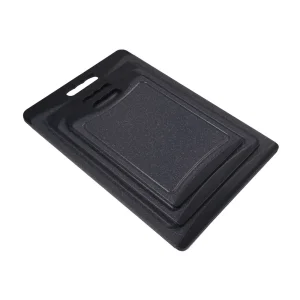
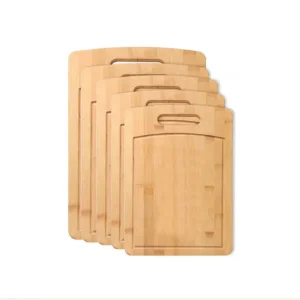
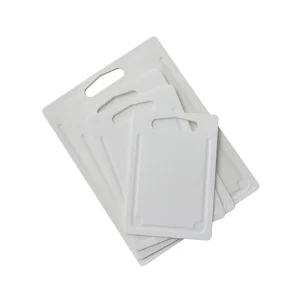
Our facility expertly processes wood, bamboo, and food-safe plastics. This multi-material capability allows buyers to consolidate diverse cutting board inventory—ranging from natural Acacia blocks to hygienic PP sets—under a single manufacturing agreement.
Founded in 2013 and headquartered in Ningbo, China, JOYWAVE has spent over a decade establishing itself as a premier OEM/ODM manufacturer and trusted partner in global kitchenware supply chains. We operate a highly integrated, state-of-the-art facility where we manage every critical phase of production—from raw timber sourcing and moisture conditioning to final precision machining, polishing, and automated packaging.
Our core manufacturing capabilities are rooted in high-performance cutting surfaces. While we are a leading specialist in premium wood and bamboo cutting boards, our portfolio has strategically expanded to meet the diverse catalog demands of the world's largest retailers. We produce boards, mats, and serving accessories using a wide variety of high-performance materials:
Over our 12+ years of operation, JOYWAVE's production systems have been rigorously audited and validated by major global retail brands and distributors. We serve as a direct and indirect vendor for industry leaders such as Walmart, Costco, Macy's, HomeGoods, and Williams Sonoma. Our logistical and engineering teams are fully aligned with the strict vendor compliance manuals, social responsibility standards, and chemical safety policies required to import smoothly into North America, the European Union, and beyond.
From raw material input to final protective shrink wrapping, our facility operates on strict standardization protocols.
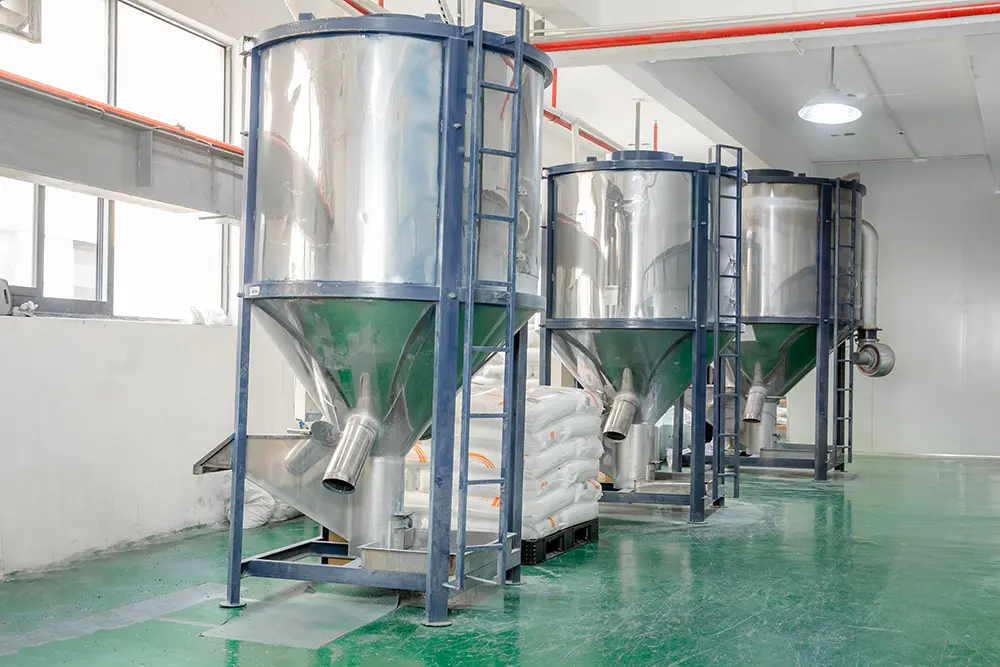
For composite and polymer boards, color pigments and raw materials are fed into high-capacity mixers to ensure uniform density and color distribution.
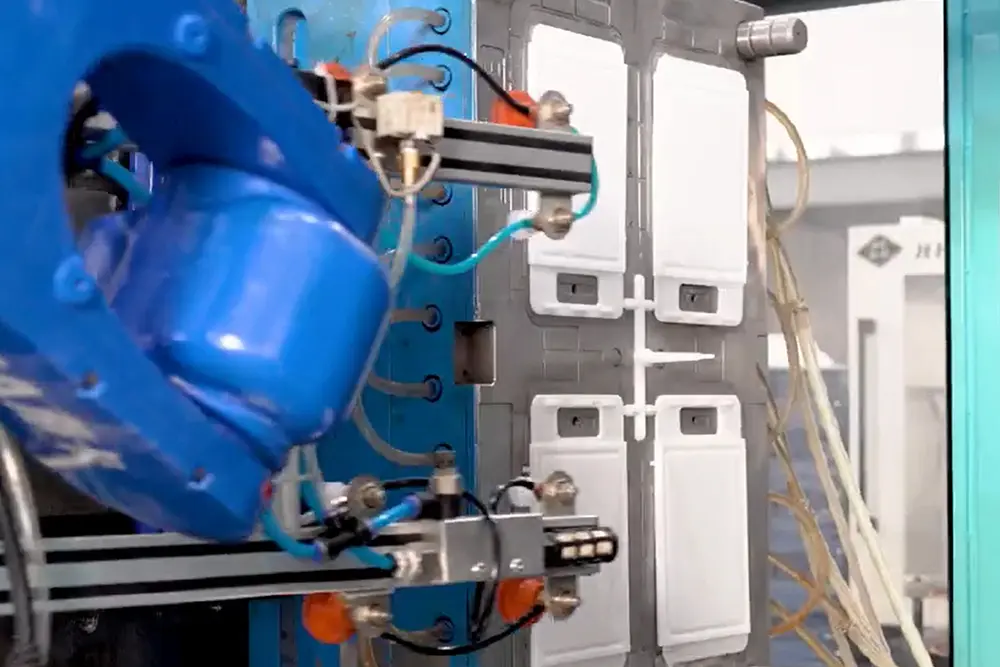
Our polymer-based products use heavy-tonnage injection molders with custom tooling to produce precise, warp-free structures under controlled pressures.
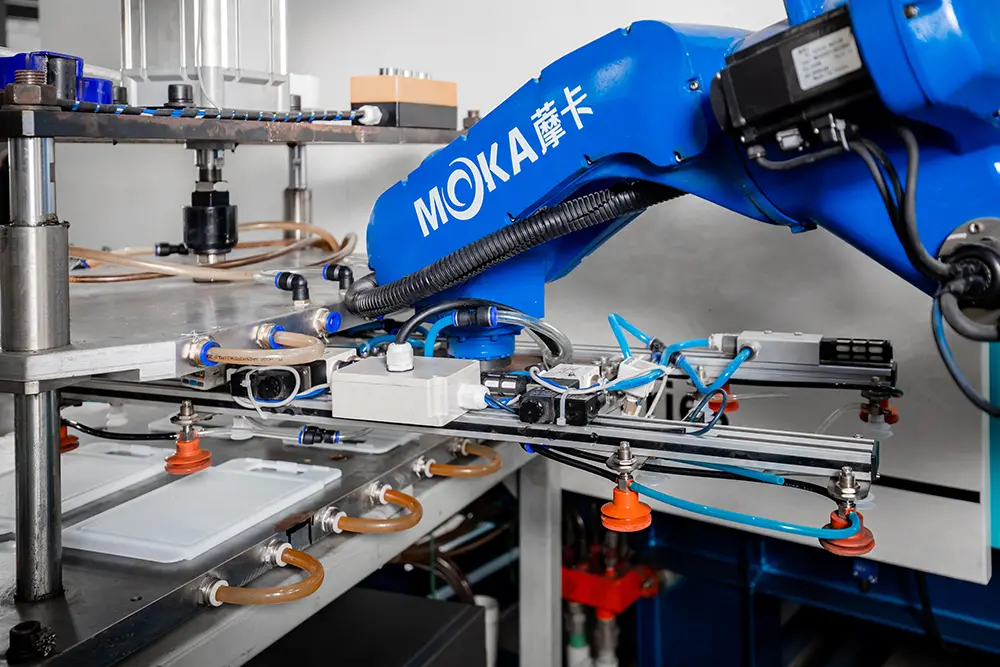
Automated robotic arms systematically extract hot molded components, placing them on designated transport tracks to eliminate surface damage.
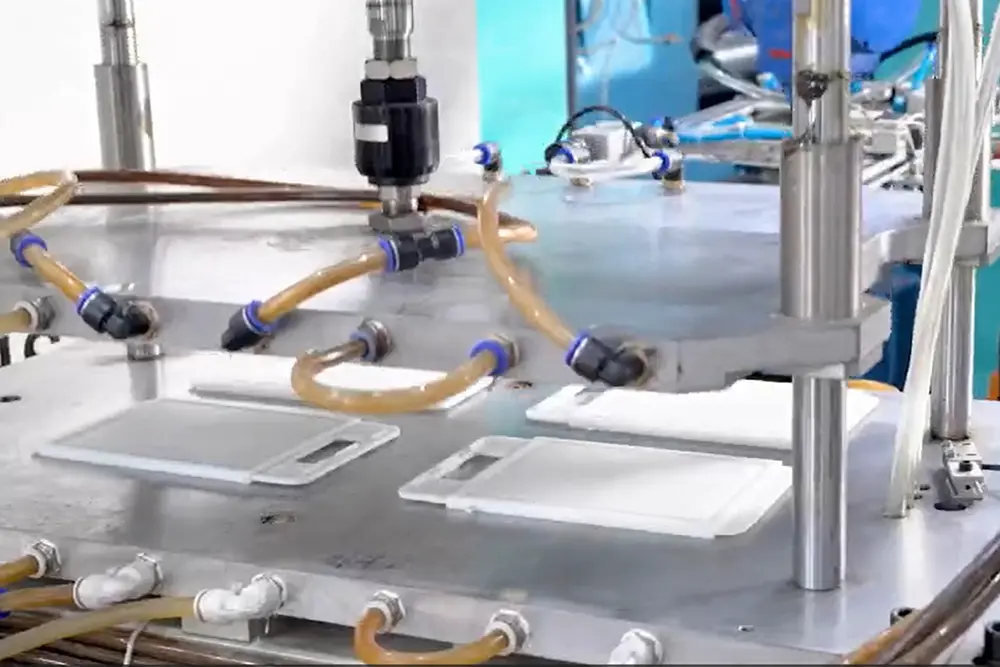
Parts are placed in specialized hydraulic flattening presses during the cooling cycle to eliminate internal structural stresses and ensure flatness.
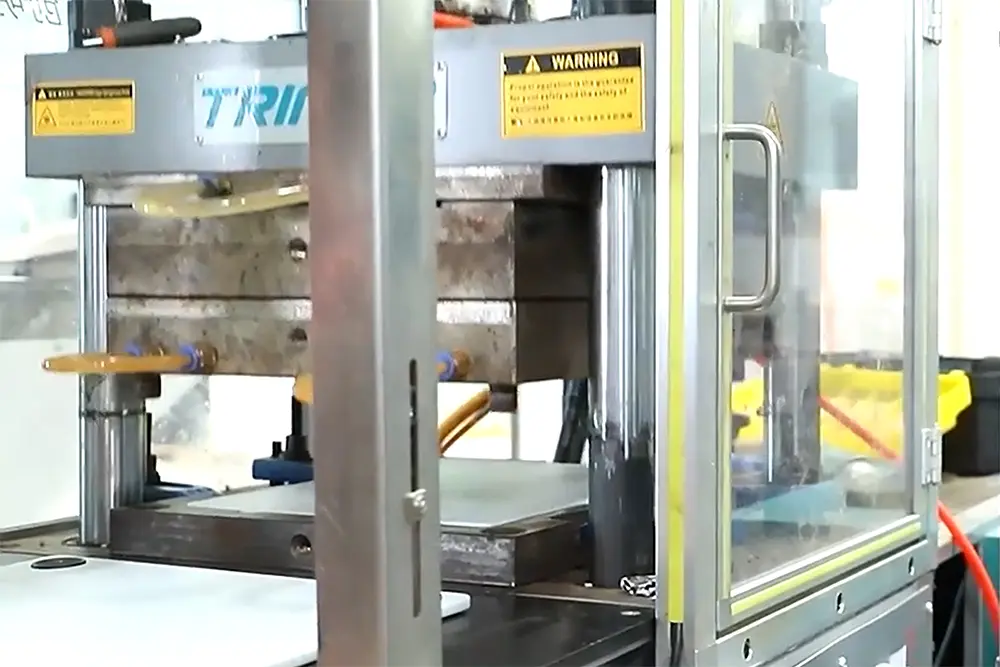
For non-slip series, products go through secondary injection molding to permanently bond soft-grip outer borders and feet onto the board base.
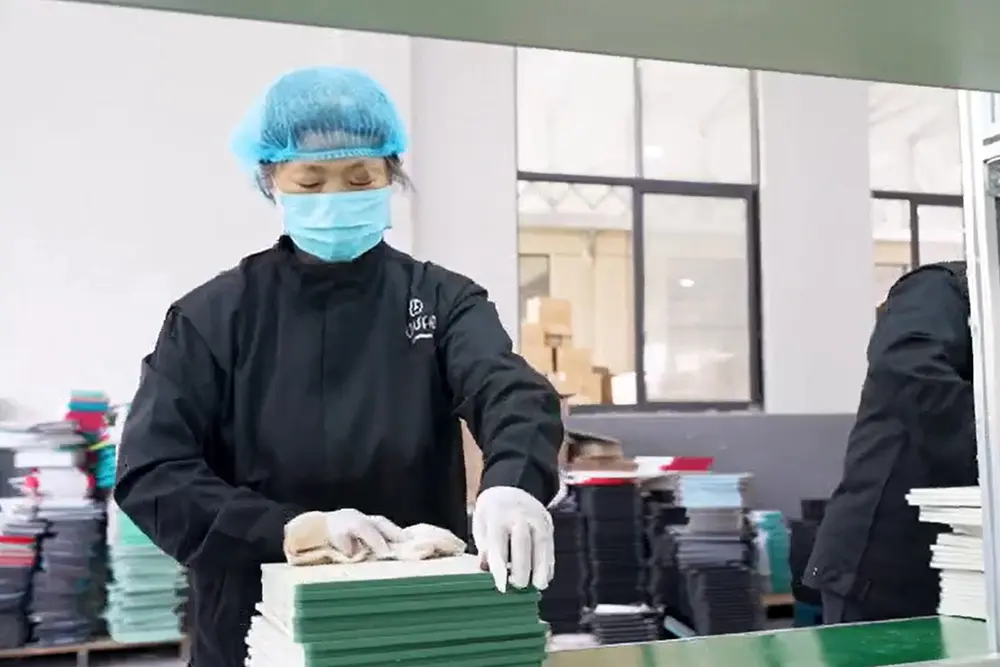
Each unit is wiped clean of dust, undergoes visual quality checks for surface blemishes, and is prepped for the labeling station.
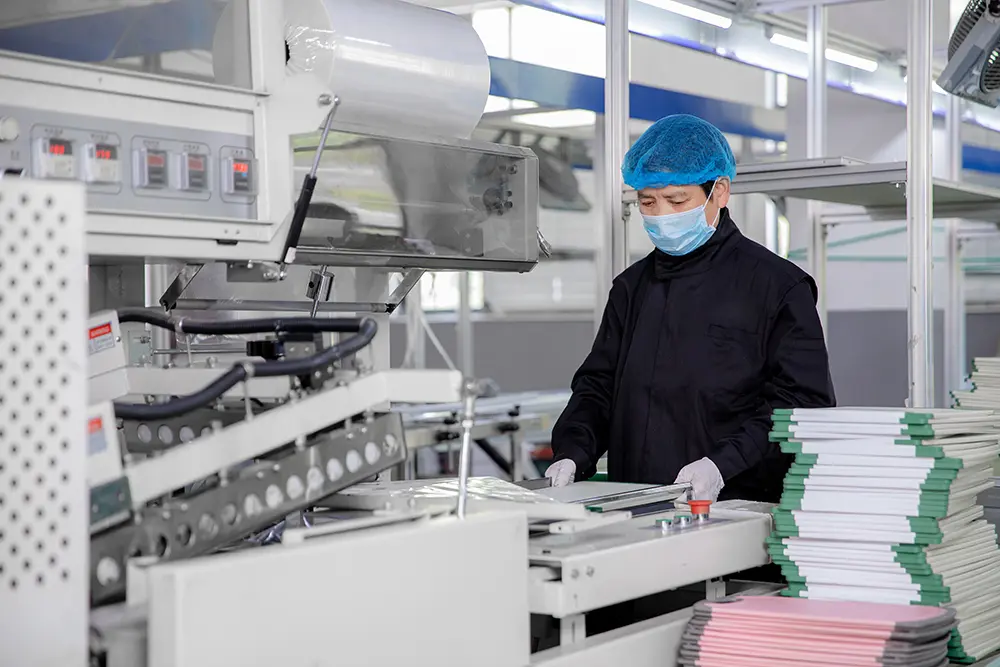
Brand-specific retail labels are mechanically aligned and applied, followed by high-speed thermal shrink wrapping for optimal moisture protection.
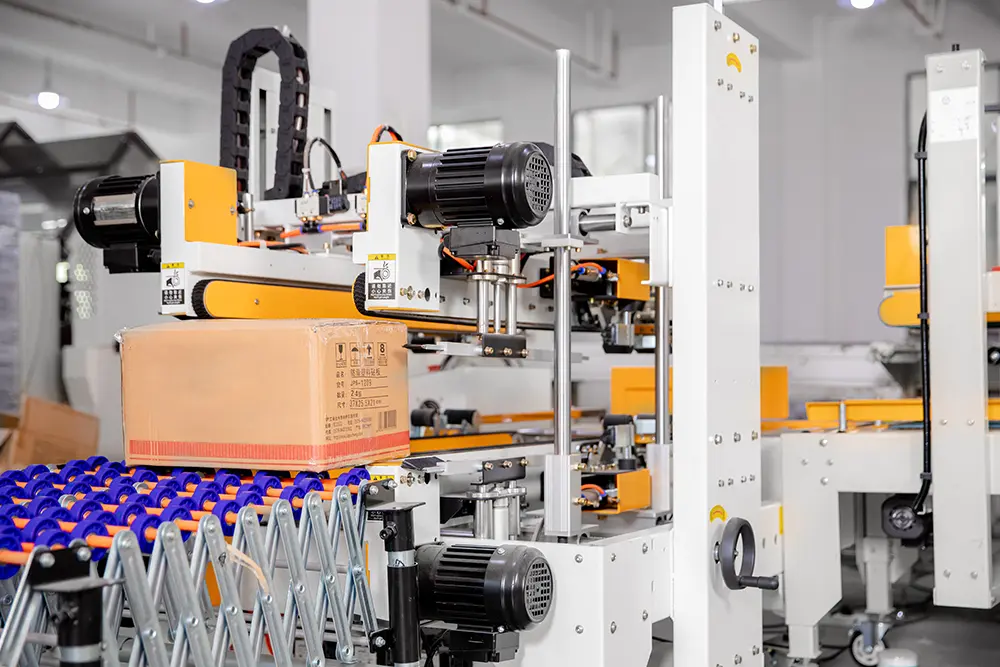
Finished goods are packed into heavy-duty corrugated master cartons, optimized for container space utilization and transport protection.
Executing bulk production for international retail channels requires more than raw manufacturing capacity. JOYWAVE operates a transparent, 4-stage supply service to manage project lifecycles from concept to destination warehouse:
Our in-house design team takes raw client concepts, dimensional targets, or 2D sketches and transforms them into detailed 3D CAD models. We optimize thickness-to-width ratios to prevent warping, incorporate juice groove geometry, and specify grain structures to align with target price points.
Upon CAD approval, we run CNC mockups (for wooden items) or design precision steel injection molds (for polymers). Physical samples are then produced in-house and shipped to the client’s product team for dimensional, mechanical, and color approval.
Once samples are verified, we initiate scale manufacturing. Raw materials are checked for moisture (wood) or purity (plastics). Every batch is subjected to in-line QA checks, verifying bond strength, dimensions, weight, and anti-slip integrity.
4. Logistics & Global Delivery: We coordinate all aspects of customs clearance, export declarations, and shipping. Based near Ningbo Port, we manage direct ocean freight (FCL/LCL) and mixed-container packaging, ensuring goods arrive directly at your regional distribution centers (DCs) on schedule and fully compliant with local customs protocols.
A big wooden chopping board must adapt to its environment. The requirements of a busy urban steakhouse in Munich differ drastically from those of a high-volume food-prep facility in Chicago or a luxury kitchen boutique in London. Below, we look at the core scenarios where board design meets functional demand:
In commercial kitchens, chopping blocks run 12 to 18 hours a day. Chefs demand thick, heavy boards that do not move on stainless steel prep tables. Durability is the key metric. The boards must withstand intensive knife impacts, chemical sanitation, and high moisture exposure. End-grain boards from JOYWAVE provide the resilience required to survive these harsh settings while maintaining knife sharpness and sanitation standards.
For home use, consumer preference leans toward dual-purpose functionality. Boards must be visually attractive enough to double as serving platters for charcuterie, cheese, and grilled meats, while remaining light enough to carry to the sink. Integrated deep juice grooves, side finger grips, and striking natural wood grains (like Acacia) are standard requirements for retail shelves.
In alignment with Google's E-E-A-T guidelines, we address the critical questions asked by retail category managers, global supply chain directors, and product developers:
From premium end-grain cutting blocks to lightweight non-slip polymer sets, explore our full manufacturing range.
Partner with an industry-certified kitchenware manufacturer. Submit your corporate email below and our procurement team will contact you within 24 hours to supply customized product catalogs, mold tooling quotes, and material certifications.
 Joywave