Explore our core product lineup manufactured under strict global food-contact safety standards.
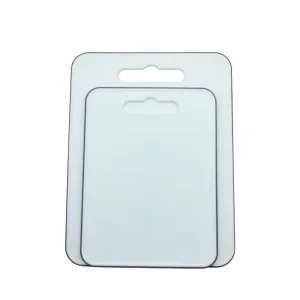
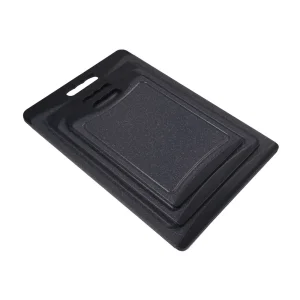
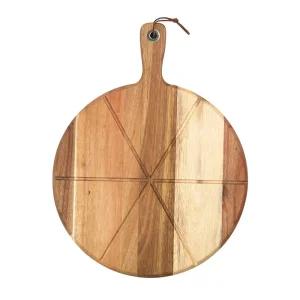
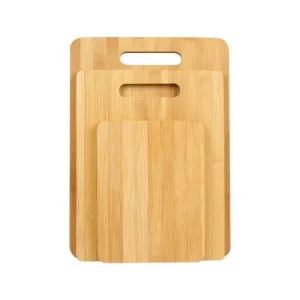
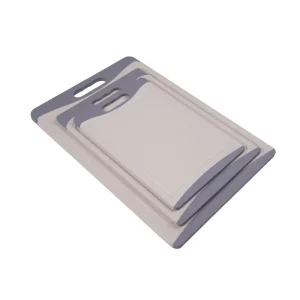
The global houseware industry is undergoing a structural paradigm shift driven by urban densification, the rise of outdoor recreation (RVing, overlanding, and camping), and a heightened focus on food-contact material safety. Within the kitchen prep category, the custom collapsible chopping board has transitioned from a niche, novelty space-saver into a highly standardized kitchen utility.
Unlike traditional static wood or single-sheet plastic boards, modern collapsible cutting boards utilize complex co-injection molding techniques to integrate structural food-grade Polypropylene (PP) with resilient, elastic Thermoplastic Elastomer (TPE) or silicone hinges. This dual-material composite architecture allows the product to function dynamically: as a flat, heavy-duty carving board, a washing colander, or a deep vegetable basket. For wholesale distributors, global retailers, and specialty brands, navigating the regulatory hurdles, material sciences, and manufacturing variances of these complex culinary tools is vital to capturing market share.
Deciphering the engineering parameters that separate commercial-grade collapsible boards from substandard retail iterations.
The mechanical durability of collapsible chopping boards relies on the molecular bond between the structural rim (PP) and the flexible bellows (TPE). Our factory employs high-tonnage multi-shot injection machines that chemically fuse these polymers. This ensures zero risk of delamination even after thousands of flex cycles and hundreds of dishwasher high-heat drying runs.
High-integrity sourcing demands strict compliance with global food contact regulations. Materials are formulated to be 100% BPA-free, meeting European LFGB and US FDA regulations. We test raw materials for heavy metals, plasticizers, and volatile organic compounds to ensure safety at high temperatures.
The upper cutting surface of the polypropylene base is engineered with a specific Shore D hardness rating. This optimizes durability while preserving knife edge retention. Subtle surface texturing is added to prevent ingredient slippage, mitigating micro-plastic shedding.
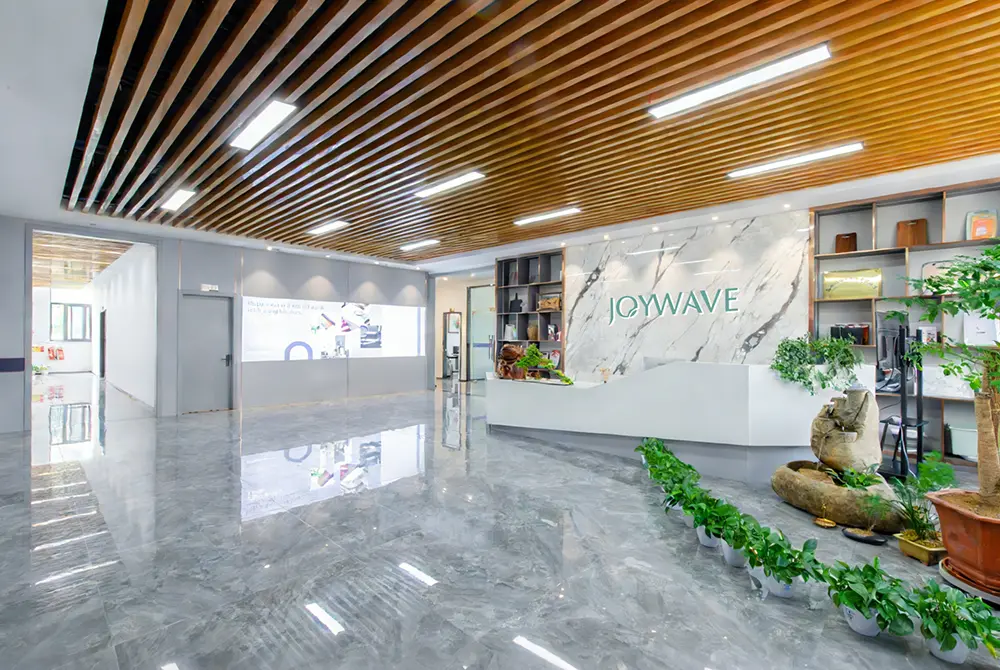
As a global epicentre of injection molding machinery, plastic mold tooling, and shipping logistics, Ningbo offers unparalleled strategic benefits for international kitchenware importers. JOYWAVE’s facility integrates raw material sourcing, heavy component fabrication, precision mold manufacturing, and testing within a tight industrial radius.
This proximity reduces lead times from design validation to initial sampling, while lowering inland transit costs to Ningbo Port. Our automated material handling, centralized volumetric feeders, and robotic parts extraction minimize labor variance. This guarantees cost predictability and consistency for large orders.
By consolidating operations, we offer competitive pricing while maintaining social compliance, eco-audits, and custom colors (Pantone matched) for corporate programs.
An inside look at our QA/QC-oriented manufacturing steps, ensuring reliable and uniform production runs.
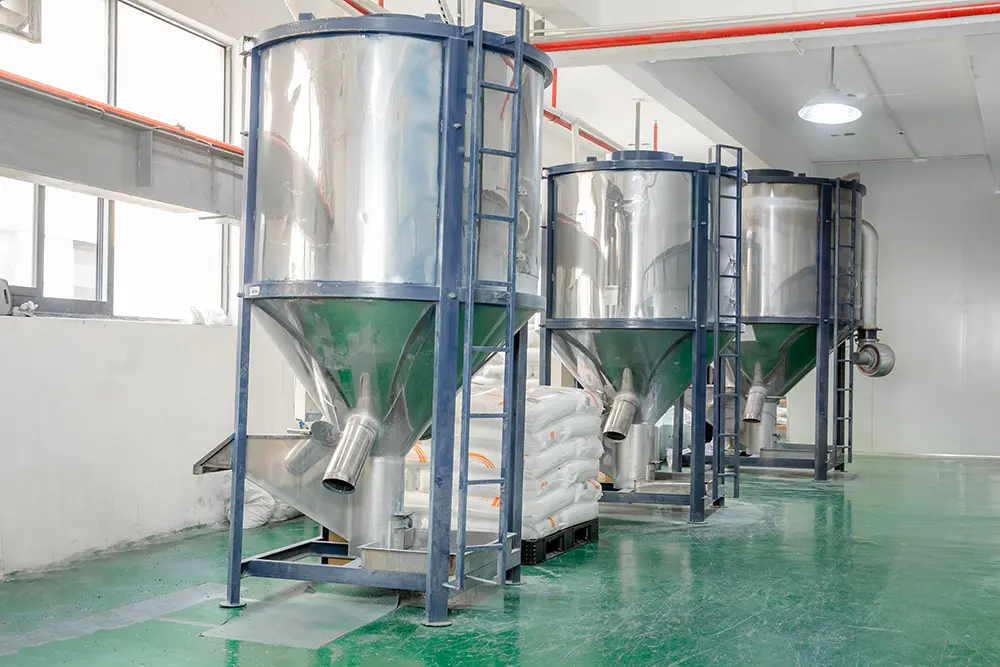
Food-grade color pigments and polymer resins are precisely weighed and blended inside automated high-speed mixers to guarantee color uniform distribution.
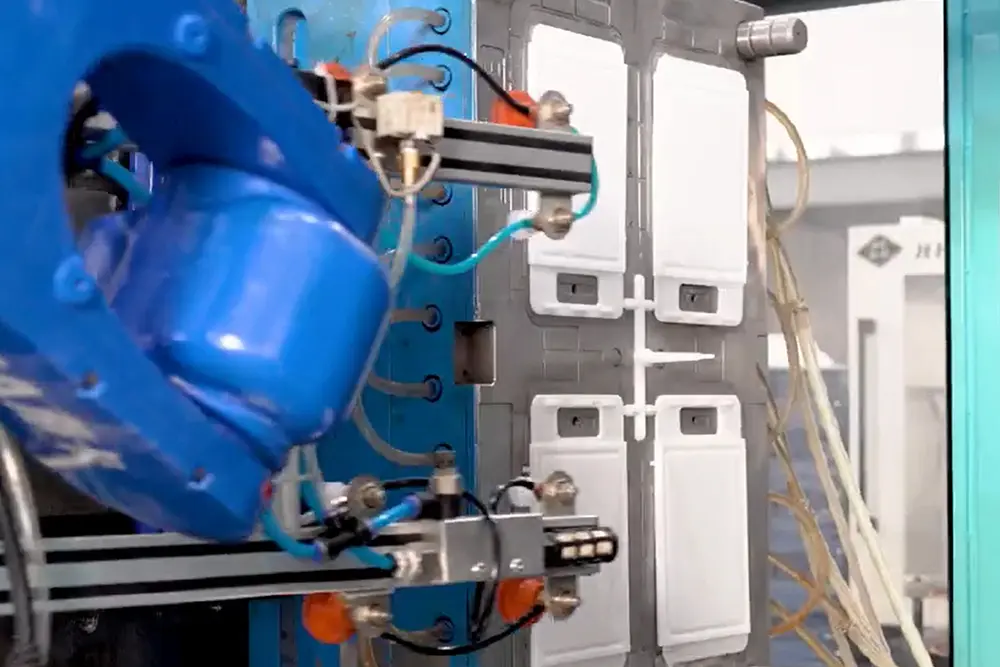
Melts are injected under computerized pressure and thermal curves into multi-cavity hot runner molds to construct the primary chopping board chassis.
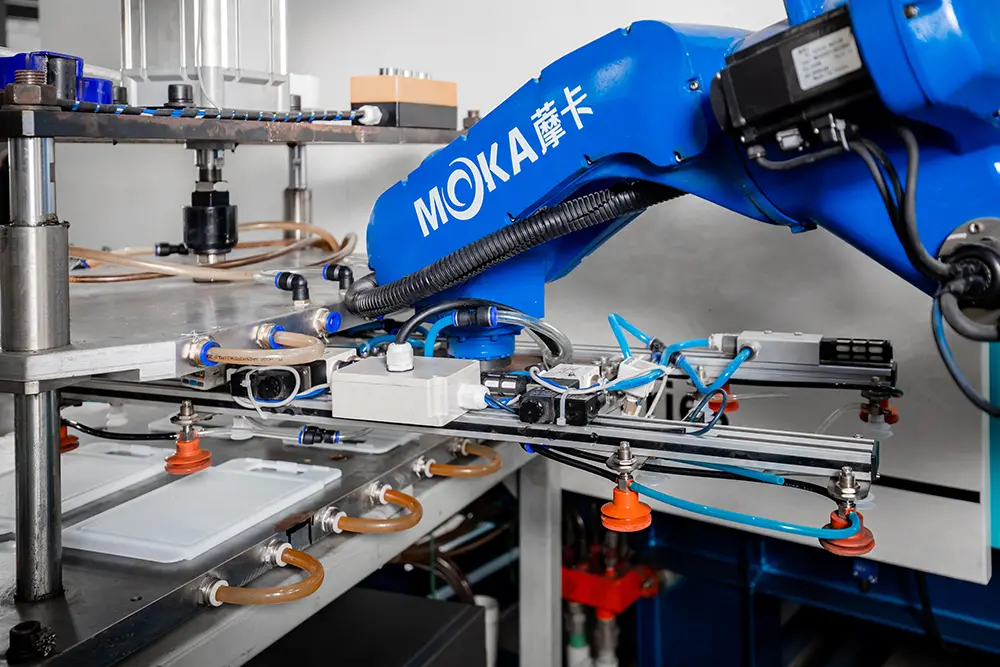
Automatic 3-axis servo robots extract the hot structural shells from the tool cavities, ensuring no human deformation of critical sealing surfaces.
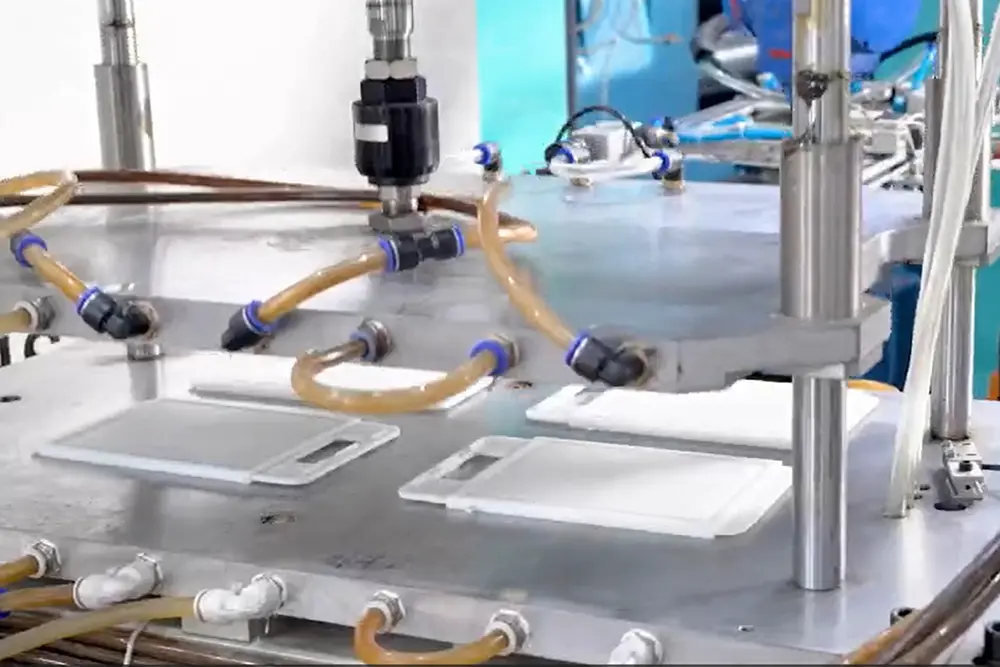
Components undergo structured thermal normalization in pneumatic leveling presses to prevent warp, ensuring a flat cutting surface.
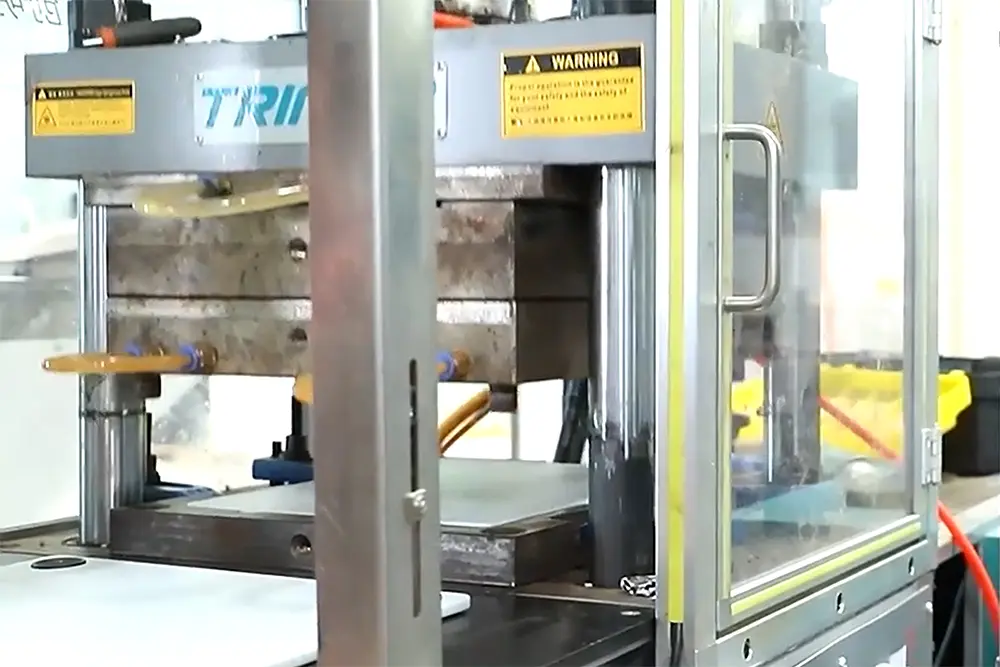
The base is transferred to an over-molding system where the flexible TPE compound is injected to form the collapsible bellows and non-slip feet.
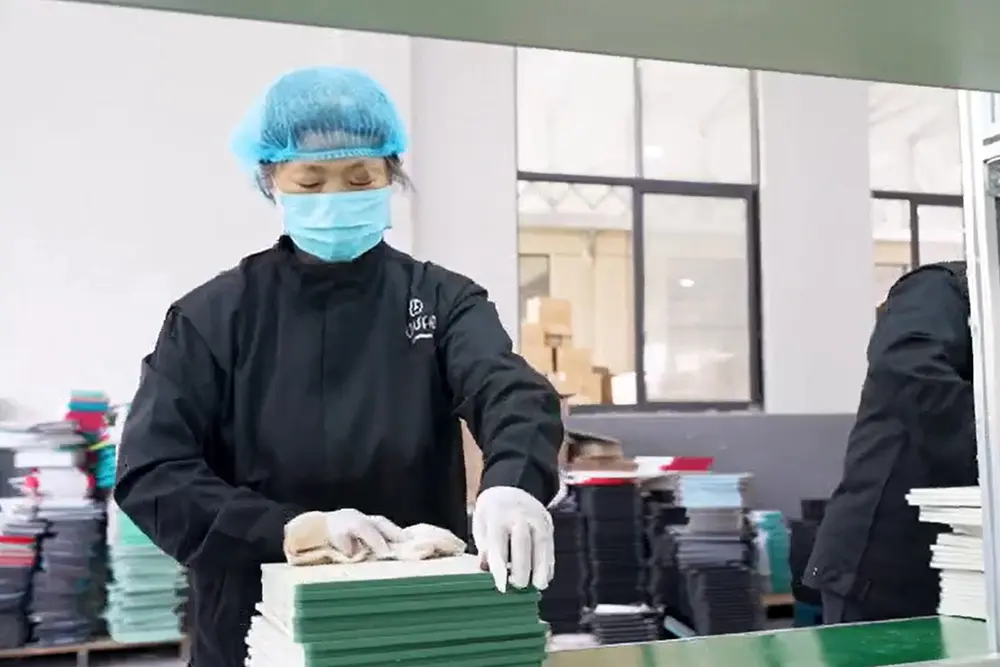
Manual and ultrasonic flash trimming is performed followed by lint-free wipe downs to prepare the plastic surface for branding and packaging.
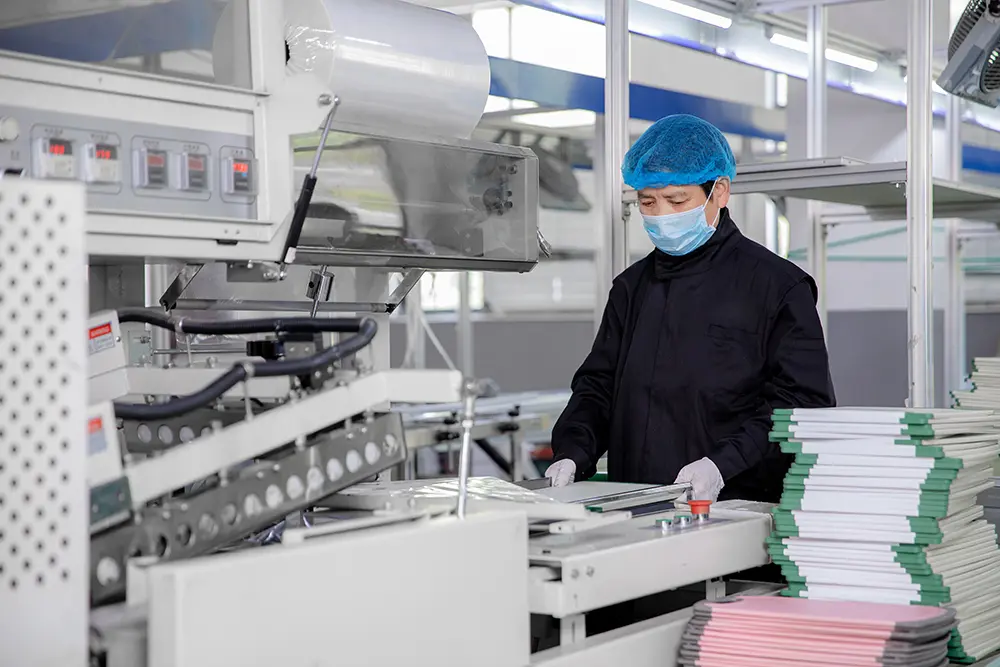
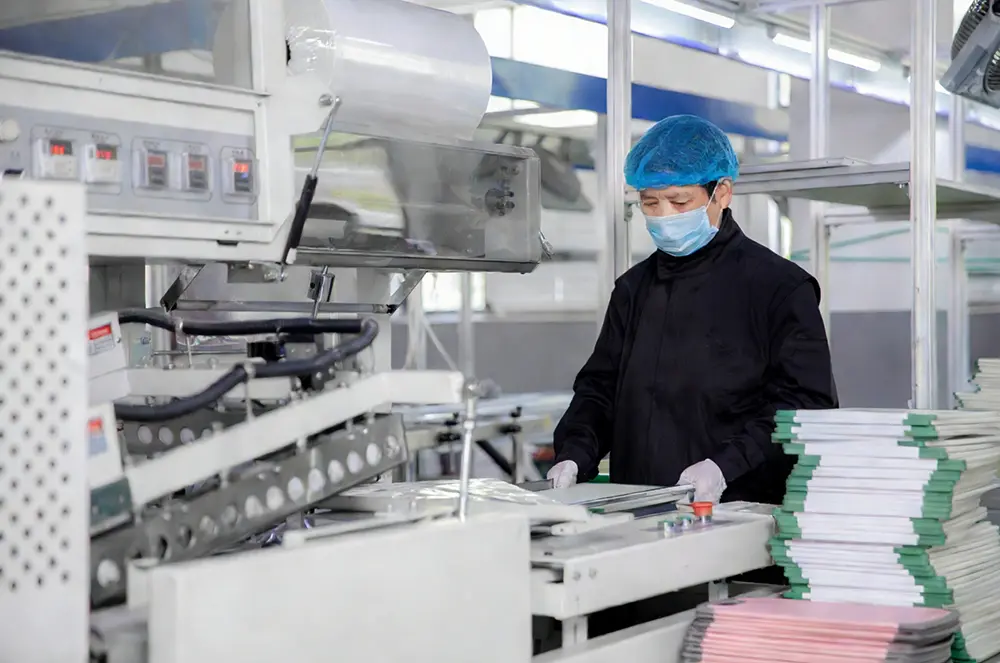
Custom buyer barcodes, retail inserts, and sleeve labels are applied, then routed through heat tunnels for high-speed shrink wrapping.
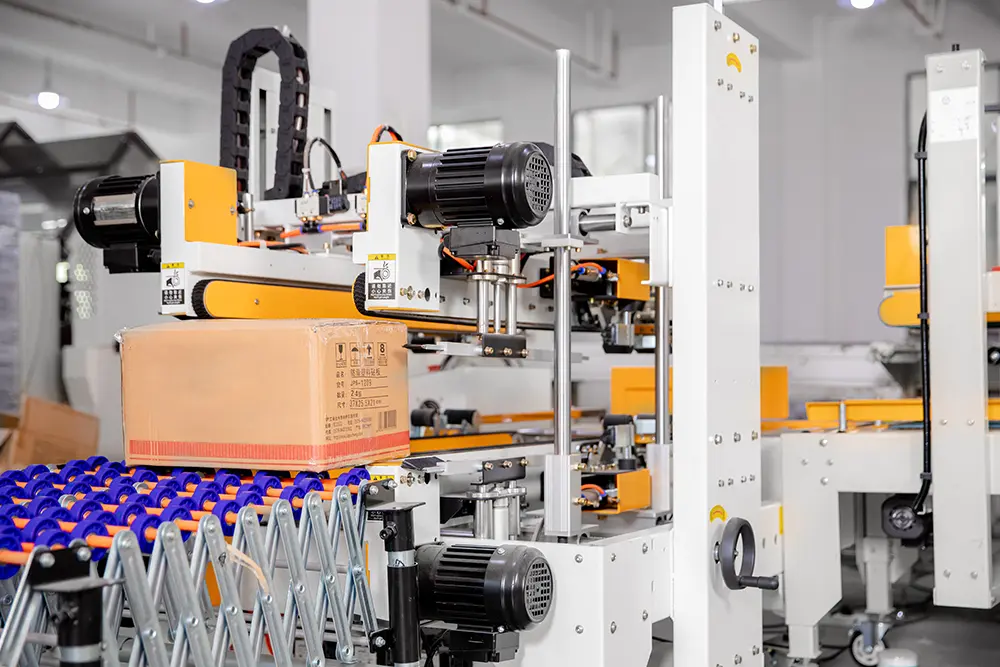
Finished goods are packed into double-wall corrugated master cartons, palletized, and secured with poly-straps for secure international shipping.
We turn initial retail concepts into profitable products. Whether working from 2D sketches, 3D CAD files, or reference samples, our engineering team refines geometries to optimize plastic flow and structure.
During mold design, we optimize gate placements, cooling channels, and ejection layouts to avoid sink marks and weld lines. Our physical prototyping helps verify fit, flex force, and seal integrity before tooling commits.
JOYWAVE manages the entire workflow under one roof: from raw material formulation and tool construction to automated assembly and customs clearance. This provides a single point of accountability for your program.
Essential insights for global sourcing managers evaluating kitchenware suppliers in Asia.
Substandard TPE often retains monomer odors and chemical smells. We address this through high-vacuum compounding devolatilization and post-molding baking, eliminating trace organic smells for high-end retail.
Collapsible designs rely on dynamic seals. Integrated drainage valves are leak-tested under water columns for 24 hours. We test dynamic hinges for over 10,000 cycles without fatigue cracking or material failure.
Corporate compliance requires transparent labor practices. Our factories are certified by BSCI, SEDEX/SMETA, and ISO 9001. We facilitate smooth quality audits for Walmart, Costco, Macy's, and other major global retailers.
Aligning physical design attributes with consumer demand across retail segments.
In high-density urban areas, cabinet real estate is limited. Collapsible boards collapse to under 2 inches flat, nesting easily with baking sheets and trays to maximize compact storage.
Mobile kitchens need lightweight, secure gear. Collapsible units serve as prep surfaces, strainers, and wash tubs. Their durable materials withstand bumpy roads and outdoor exposure.
For hiking and camping, space-saving gear is essential. Flat-packing kitchenware reduces pack volume. Built-in colanders and handles simplify prep at campsite wash stations.
Off-site catering requires compact, transportable equipment. Collapsible board systems help prep teams organize, wash, and cut ingredients efficiently without transport clutter.
Technical answers to key product concerns from sourcing engineers and procurement officers.
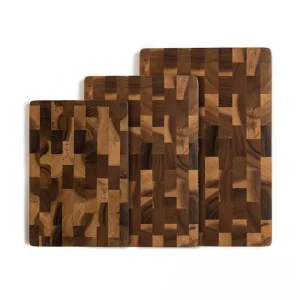
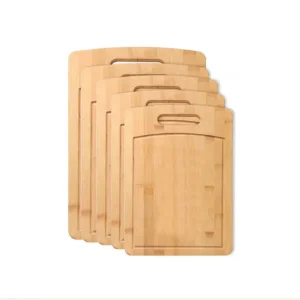
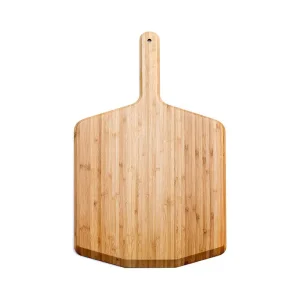
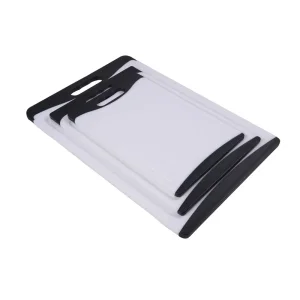
From premium natural woods to hygienic composite materials, browse our high-volume export lines.
 Joywave