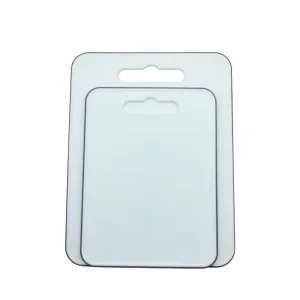
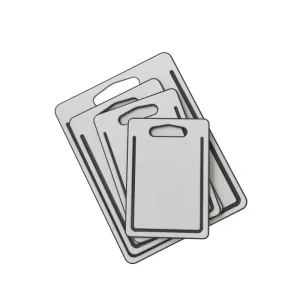
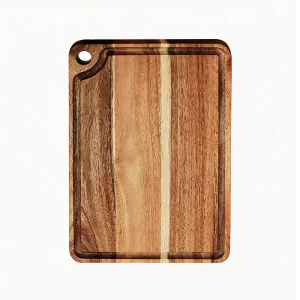
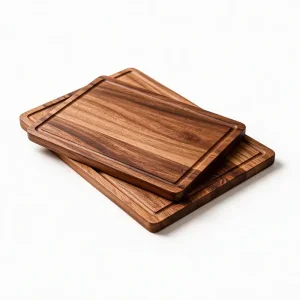
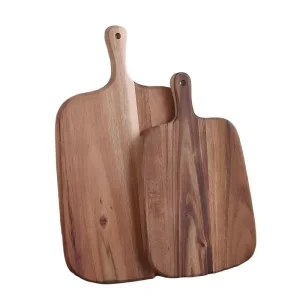
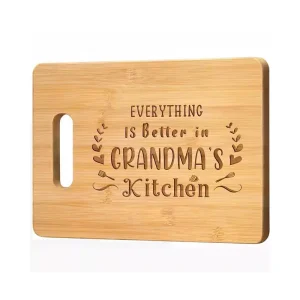
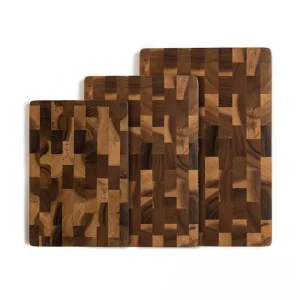
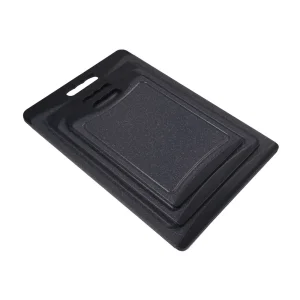
In the rapidly changing consumer retail and food service landscape, kitchenware is no longer evaluated solely on basic aesthetics. It is now measured by material performance, cross-contamination prevention, and long-term durability. Custom double-sided cutting boards have emerged as a high-demand category in modern culinary design, reflecting a shift in consumer consciousness toward food safety. By providing two distinct functional cutting surfaces in a single product, manufacturers allow households and commercial kitchens to separate raw meat prep from ready-to-eat produce without requiring separate storage footprints.
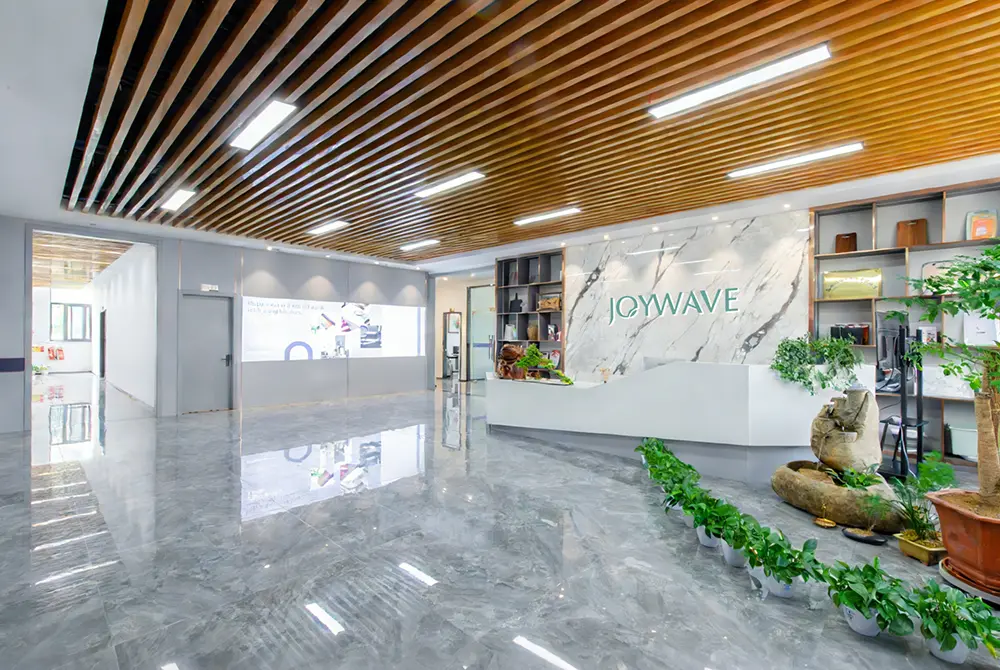
Founded in 2013 and based in the manufacturing hub of Ningbo, JOYWAVE is a specialist OEM manufacturer and kitchenware industry expert. With over a decade of experience, we integrate comprehensive design, structural development, and automated manufacturing at our dedicated facilities to deliver custom kitchen solutions for top-tier global retailers, including Walmart, Costco, Macy's, HomeGoods, and Williams Sonoma. This whitepaper details the manufacturing processes, material engineering, supply chain configurations, and market dynamics that govern the global trade of premium double-sided cutting surfaces.
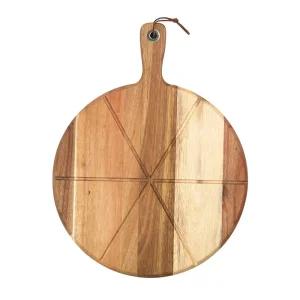
Modern double-sided cutting boards combine distinct materials to leverage the mechanical strengths of each. The food-contact side must resist deep knife scoring—which can harbor bacterial colonies—while the reverse side must provide specialized benefits, such as high-temperature resistance, liquid channels (juice grooves), or presentation-ready wood grain.
| Material Side combination | Primary Target Food Group | Key Performance Attribute | Compliance & Certification |
|---|---|---|---|
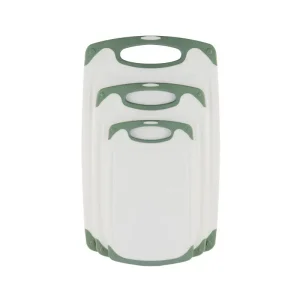
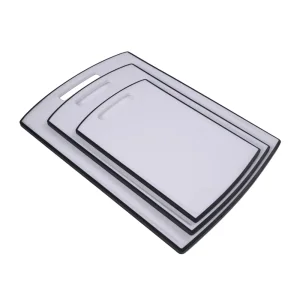
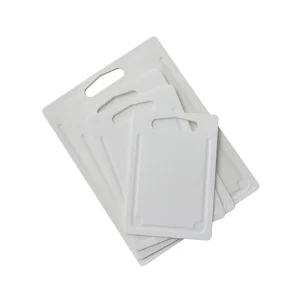
| Virgin Polypropylene (PP) / PE | Raw poultry, red meat, seafood | Deep knife resistance, zero moisture absorption | FDA 21 CFR 177.1520, BPA-Free |
| Premium Hardwood (Walnut / Acacia) | Cooked meat carving, cheeses, bread | Self-healing fibers, aesthetic presentation | FSC Chain of Custody, Food Grade Oil Finished |
| Medical-Grade 304 Stainless Steel | Fish, highly aromatic ingredients | Odour molecule neutralization, high thermal prep | LFGB, CE Compliant, Stainless Grade 18/10 |
| Recycled PP & Wheat Straw | Daily vegetables, fruits, herbs | Eco-friendly composition, lightweight usability | GRS (Global Recycled Standard) Certified |
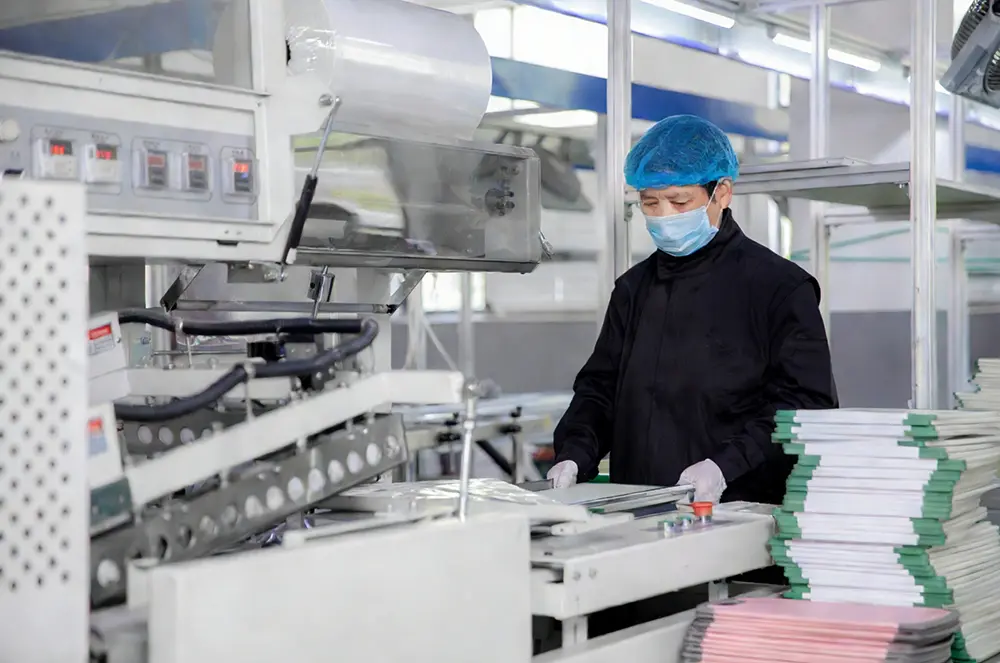
Our integrated factory in Ningbo employs a multi-step production line to convert raw materials into final, shrink-wrapped products. This processes applies to our plastic-based and over-molded double-sided cutting boards:
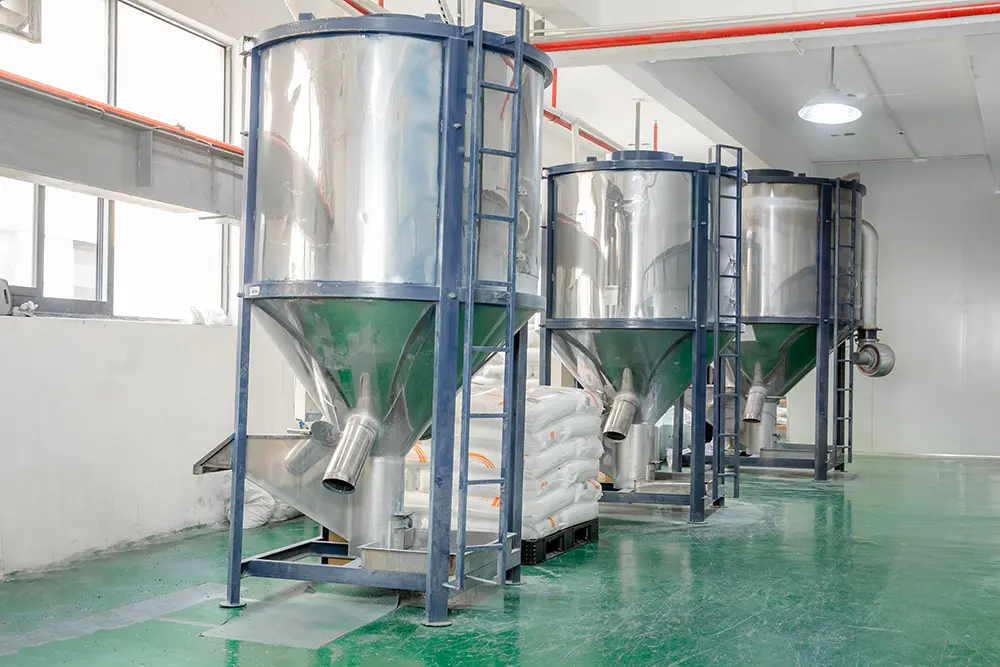
Pigments, stabilizers, and base polymers are mixed to guarantee uniform material performance and color distribution.
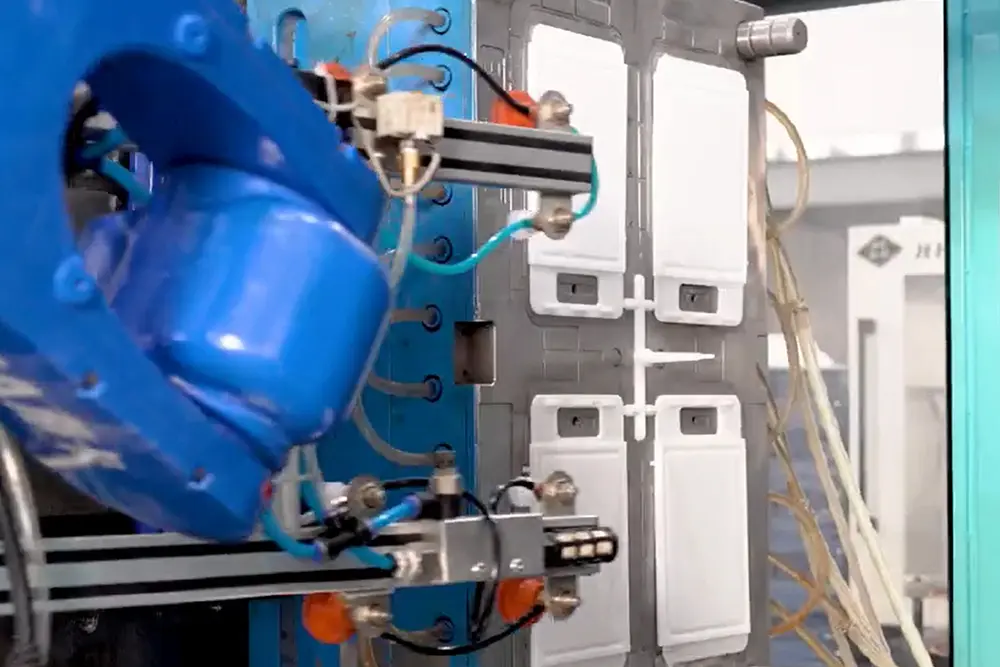
High-pressure injection molding machines inject polymers into custom-engineered steel molds to form the core body.
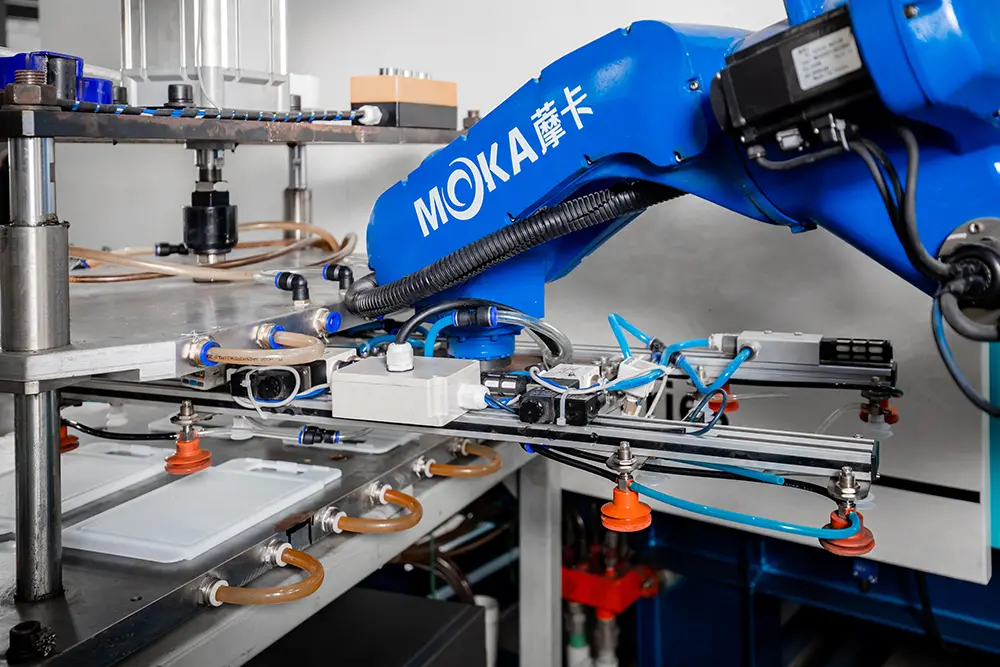
Automated robotic arms extract the molded components from the tooling cavities, protecting the surfaces from scratches.
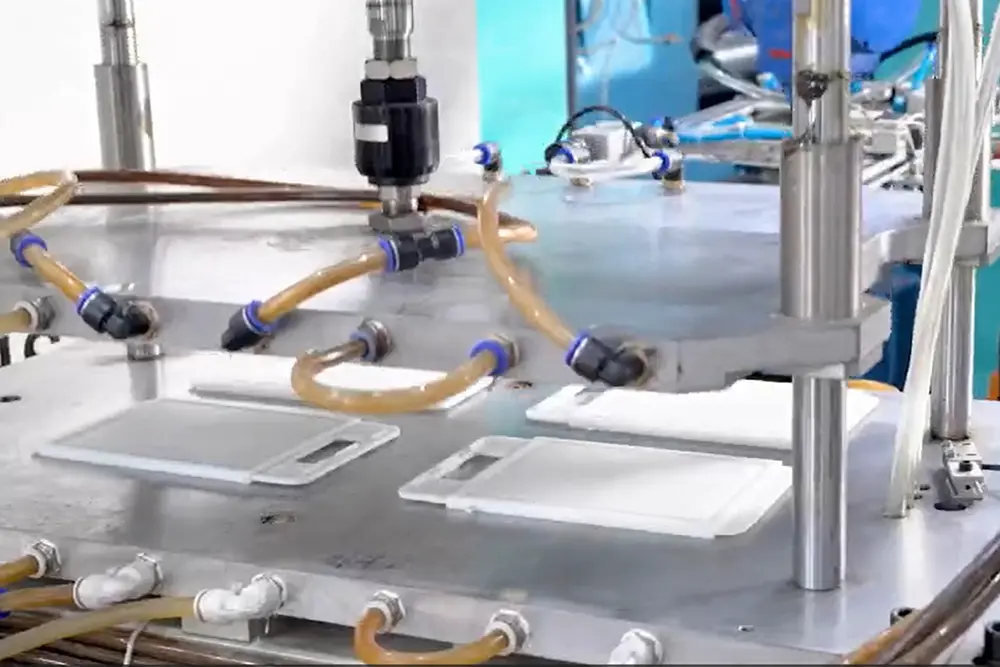
The newly formed boards cool under hydraulic pressure to keep the dual-sided surface perfectly flat and warp-resistant.
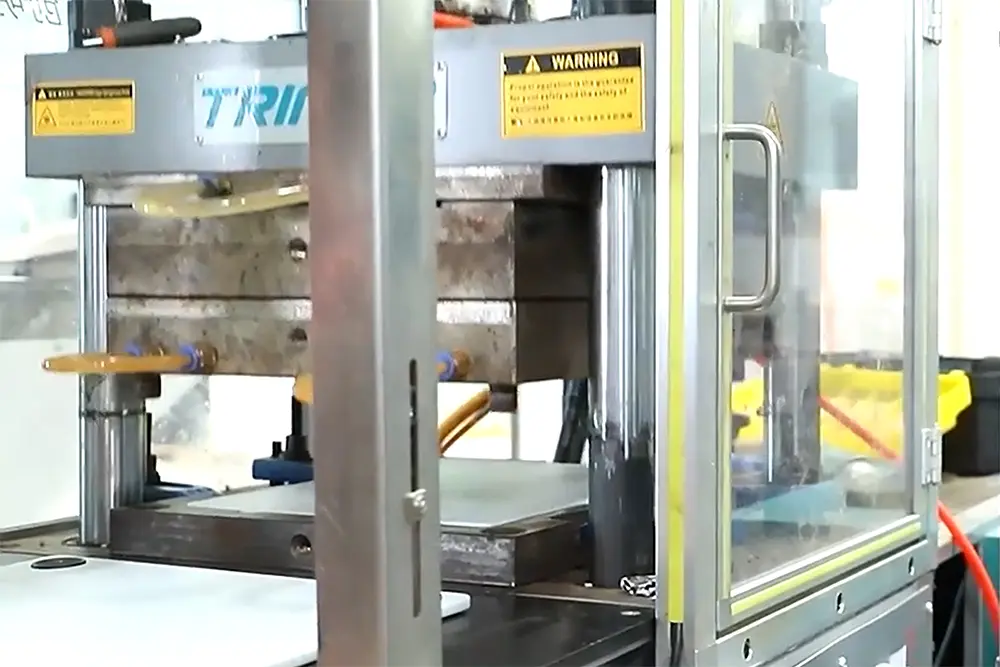
A second over-molding step applies soft TPE rubber to the borders, providing non-slip grips and a dual-material finish.
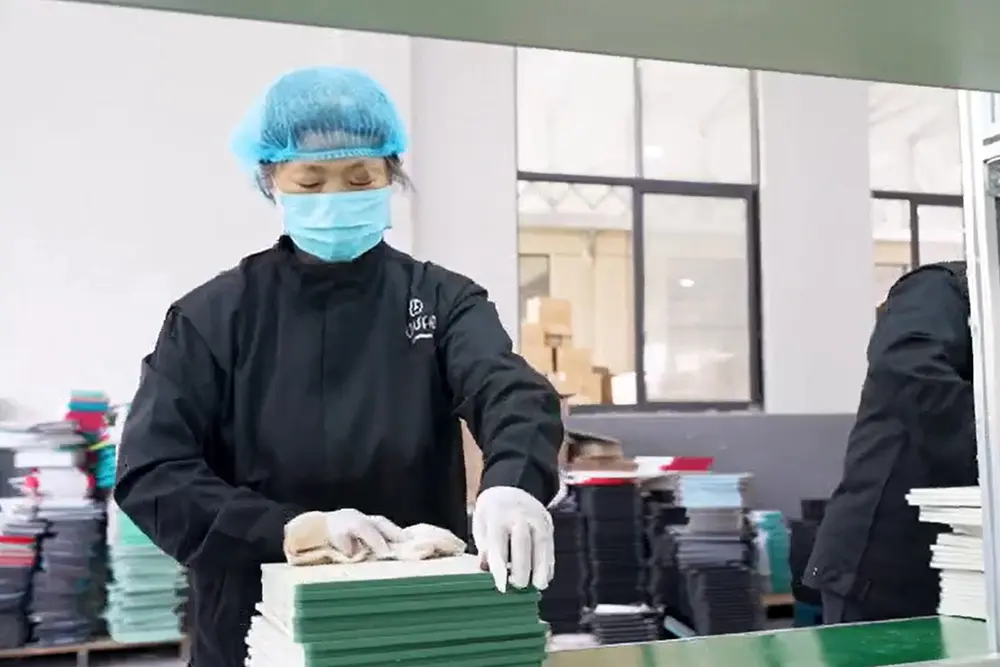
Trained operators hand-inspect each unit, removing flashing, wiping static dust, and verifying product cosmetics.
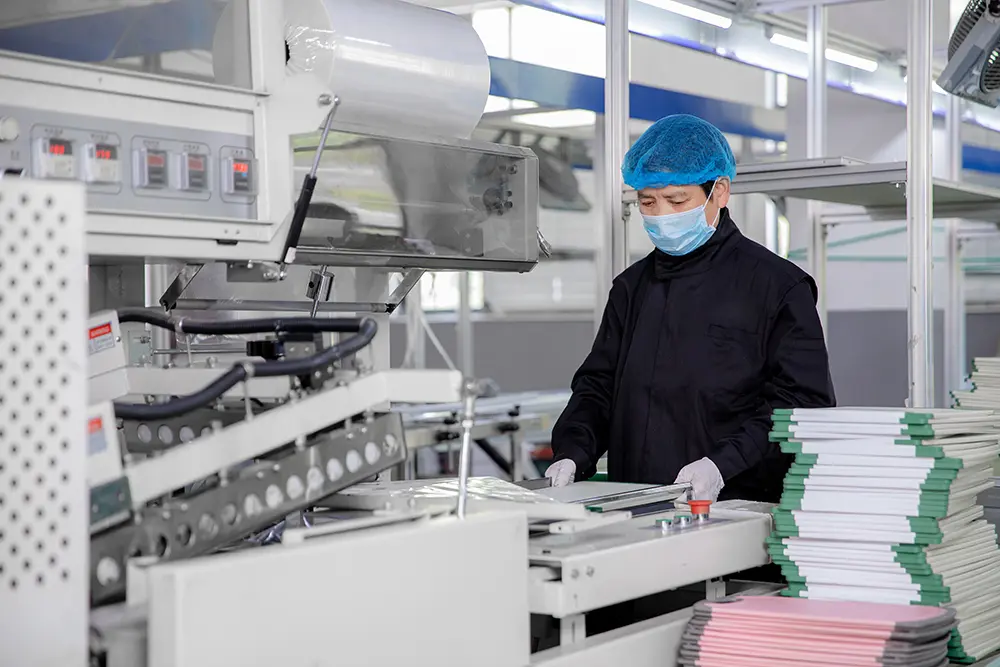
Automatic wrap lines apply customized brand labels and heat-sealed shrink wrap to protect the board during transit.
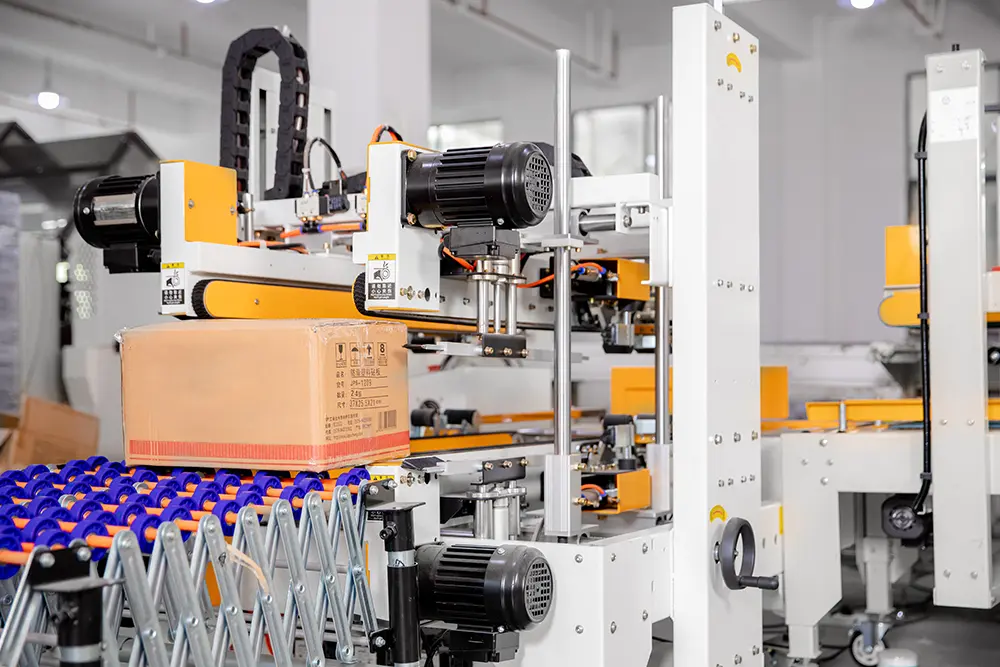
Finished goods are packed into corrugated master cartons, optimized for container space and logistics efficiency.
The global retail space operates on tight inventory cycles. Any delay in the supply chain can impact a retailer's performance. Based in Ningbo, China, JOYWAVE's manufacturing facilities sit in one of the world's most dense kitchenware manufacturing clusters. The Port of Ningbo-Zhoushan, which leads the world in annual cargo throughput, provides direct maritime access to North American and European shipping routes, reducing inland transit costs.
By shifting towards Factory 4.0 principles, JOYWAVE has integrated robotic handling and real-time sensor loops. This level of automation reduces labor overheads, ensures structural consistency, and minimizes material waste. It also maintains competitive unit costs for high-volume custom board production.
Global commercial buyers look for more than just off-the-shelf items; they require tailored manufacturing capabilities that fit their existing product assortments and branding guidelines. JOYWAVE's dedicated engineering department helps brand managers translate concept sketches and functional definitions into ready-to-market products.
Whether starting from rough hand-drawn ideas or 2D technical drafts, our engineering team constructs digital 3D models. We balance wall thicknesses, draft angles, and structural rib placements to ensure the product is optimized for production.
Once the CAD file is approved, our in-house toolmakers fabricate precision steel molds. This setup allows us to produce initial trial samples, enabling marketing and procurement groups to evaluate the texture, fit, and finish before placing a full order.
We offer multiple options for brand customization, including laser engraving on wood and bamboo, molded logos on polymer surfaces, specialized color matches (based on the Pantone Matching System), and bespoke product packaging.
Entering strict retail systems in North America and the European Union requires keeping up with international testing certifications. Cheap, uncertified materials present health concerns and legal risks for global brands.
JOYWAVE maintains strict quality standards. All double-sided cutting board shipments are tested under food contact safety protocols. From verifying chemical stability via LFGB and FDA testing to confirming wood origins through FSC-certified pathways, we handle compliance at every stage. We work with third-party testing agencies, including SGS, TUV, and Intertek, to inspect batch composition prior to port delivery.
Looking ahead, double-sided cutting board design is shifting towards smart interfaces and bio-composite materials. Antimicrobial polymers integrated with silver-ion or zinc-pyrithione additives are increasingly popular. These materials inhibit bacterial replication on the polymer side, even if minor knife scratches occur.
Furthermore, environmental regulations have accelerated the adoption of bio-resins and wheat-straw reinforced polypropylenes. These composites reduce carbon footprints by up to 40% compared to pure petroleum resins, without sacrificing tensile strength or high-temperature dishwasher safety. JOYWAVE continues to lead research into these materials, ensuring our B2B customers have access to sustainable product options.
Polypropylene compositions blended with antimicrobial additives prevent bacterial cell wall formation, providing an extra layer of food safety.
Combining wheat straw and rice husks with recycled PP polymers minimizes plastic usage while preserving high durability and impact resistance.
Innovative dual-injection molding chemically bonds soft thermoplastic elastomers directly to the core, preventing detachment over years of dishwashing cycles.
For standard designs with customized branding, our typical MOQ starts at 1,500 units per size/color. For fully custom tooling requiring unique injection mold developments, the MOQ ranges from 3,000 to 5,000 units, depending on product dimensions.
For plastic composites, we implement a post-molding cooling and flattening fixture step under hydraulic pressure. For wooden boards (like Acacia or Walnut), we kiln-dry the raw lumber to a target moisture level of 8–12% before precision joining, preventing warping or splitting.
Yes, all polypropylene, polyethylene, and over-molded TPE materials used in our double-sided collections are BPA-free and FDA/LFGB compliant. These materials are engineered to resist heat deflection up to 120°C, making them safe for household dishwashers.
Absolutely. Our dual-material over-molding processes allow us to combine a hygienic 304 stainless steel sheet on one side with a textured, non-slip PP surface on the other, creating a versatile dual-purpose prep surface.
For existing mold components with custom colors or logos, sample lead times are typically 7 to 10 working days. For new custom tooling designs, the mold fabrication and physical sample testing cycle takes approximately 30 to 45 days.
 Joywave