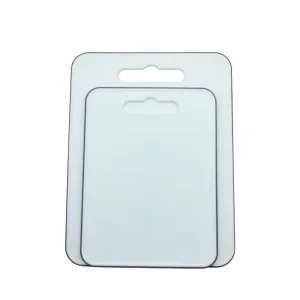
Explore our core cutting boards and serving trays crafted with high-performance bamboo, acacia wood, and eco-friendly composites.
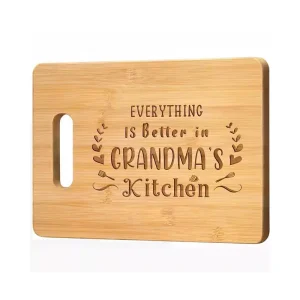
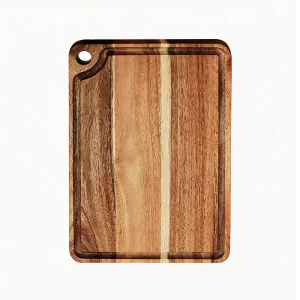
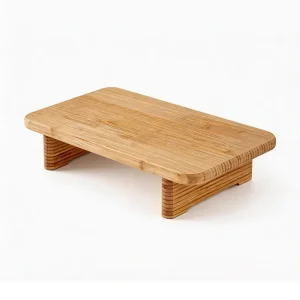
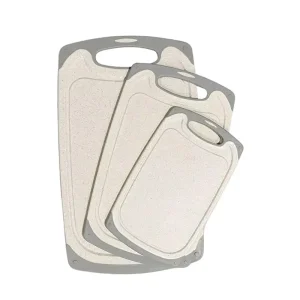
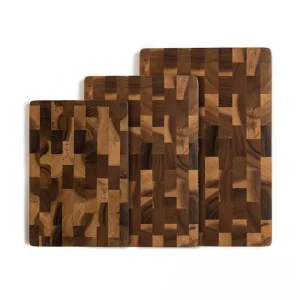
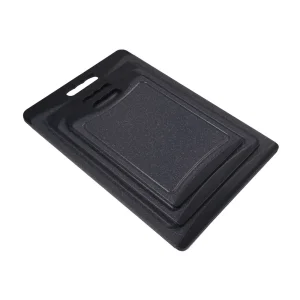
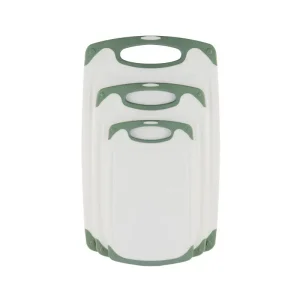
In the contemporary global kitchenware industry, the demand for high-performance prep surfaces has shifted away from purely synthetic materials toward bio-based, renewable alternatives. Bamboo, technically a fast-growing woody grass of the family Poaceae, has emerged as the premier raw material for chopping blocks. Driven by structural properties such as high tensile strength, rapid harvest cycles (typically 3 to 5 years compared to 20+ years for traditional hardwoods like maple or acacia), and a highly favorable ecological footprint, the global market for bamboo chopping blocks is witnessing robust double-digit growth.
Industrial food processors, global retail chains, and commercial restaurant groups are increasingly prioritizing supply chains that align with Environmental, Social, and Governance (ESG) standards. Natural bamboo fits this need perfectly. Unlike synthetic plastic cutting boards, which are prone to microscopic scoring and are primary vectors for microplastic shedding into prepared foods, premium bamboo chopping blocks maintain self-healing properties that preserve knife edges while inhibiting microbial colonization.
Standard natural Moso bamboo (Phyllostachys edulis) features a Janka hardness rating of approximately 1,395 lbf, outperforming northern red oak and maple. This high density resists deep grooves from heavy knife cuts, which reduces areas where food debris and bacteria can build up. By utilizing cross-laminated layering techniques, manufacturers can construct blocks that resist warping and splitting under heavy damp kitchen conditions.
For international buyers looking to secure robust, high-volume inventory, sourcing from specialized coastal Chinese production centers provides key strategic advantages. Advanced logistics infrastructure, direct deep-water port access, and local integration of automated manufacturing plants make these facilities highly competitive.
Founded in 2013 and based in Ningbo, JOYWAVE is a specialist OEM manufacturer and industry expert in kitchenware. With over a decade of focused experience, we integrate comprehensive in-house design, development, and manufacturing at our dedicated facilities to deliver tailored solutions for leading global brands.
As our customer network expanded across North America and Europe, JOYWAVE established a reputation for industrial efficiency, rigorous testing protocols, and robust logistics operations. We leverage the deep industrial supply chains of Zhejiang province to deliver high-quality, certified products to top-tier retailers worldwide.
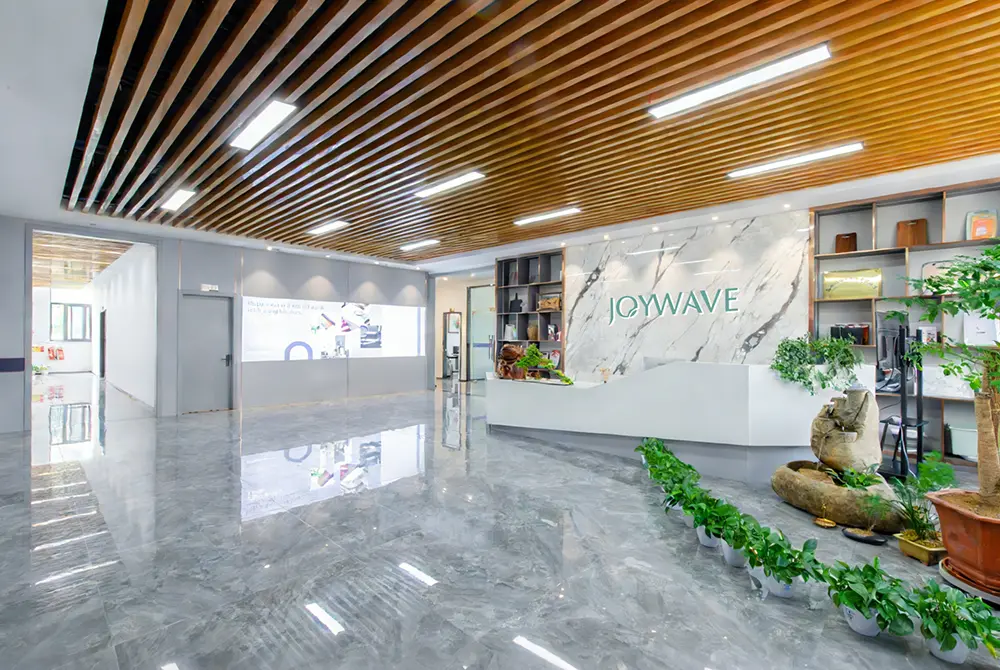
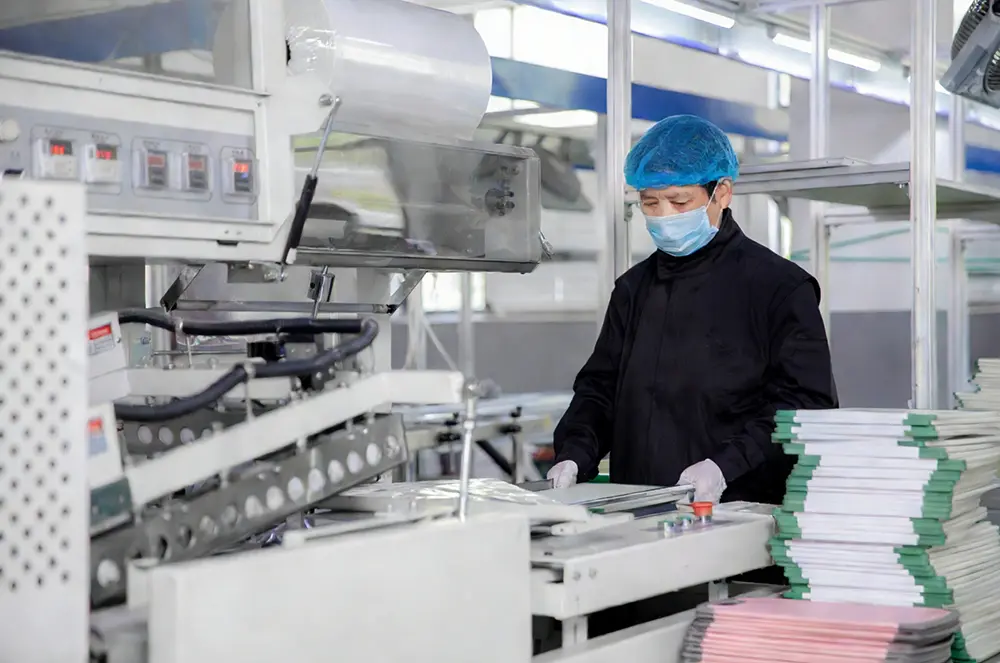
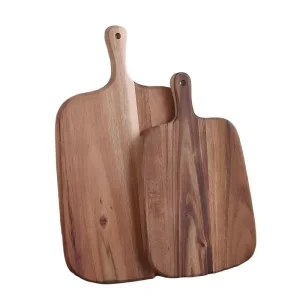
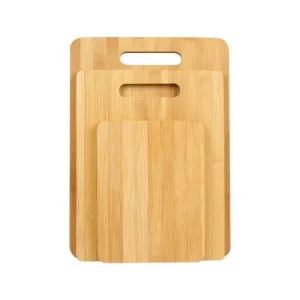
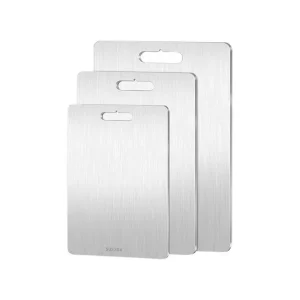
As your dedicated OEM partner, we provide full-scope manufacturing services for a diverse and expanding product range. Our foundational expertise is in cutting boards, cutting mats, and serving trays, which we expertly produce in materials including Polypropylene, Polyethylene, Bamboo, Wood, Stainless Steel, and other eco-friendly alternatives.
Building on this core strength, our capabilities have grown into a complete "Cutting Board & More" portfolio. We now also manufacture Kitchen Storage solutions, Baking Tools, Cutlery, and various Kitchen Gadgets, offering clients a streamlined, one-stop source for coordinated kitchenware lines.
How the Ningbo Industrial Cluster Empowers Global OEM Procurement with Uncompromising Quality and Speed.
Operating out of Ningbo allows JOYWAVE to utilize the Ningbo-Zhoushan Port, the world's busiest port by cargo tonnage. This location minimizes domestic transport costs and shortens transit times to major markets, allowing us to load containers efficiently and reduce shipping overhead for international retail partners.
Our raw material procurement network stretches directly into standard Moso bamboo cultivation zones. This guarantees a steady supply of high-grade, mature bamboo culms, protecting against seasonal price fluctuations and ensuring consistent material quality across large orders.
We maintain end-to-end quality control to meet strict global retail standards. Our facilities comply with BSCI, FDA, LFGB, and FSC guidelines, ensuring that our products meet the technical requirements of top-tier retailers worldwide.
JOYWAVE serves as an OEM supplier for leading global retailers and distributors across North America, Europe, and Asia-Pacific.
Our products are distributed across North America, Europe, Latin America, Africa, Australia, and mainland China. From high-volume retail chains requiring robust supply chains to premium kitchenware brands demanding tight tolerances and custom laser engravings, JOYWAVE handles these diverse needs with consistent quality.
Combining traditional bamboo laminating processes with automated high-precision injection molding systems.
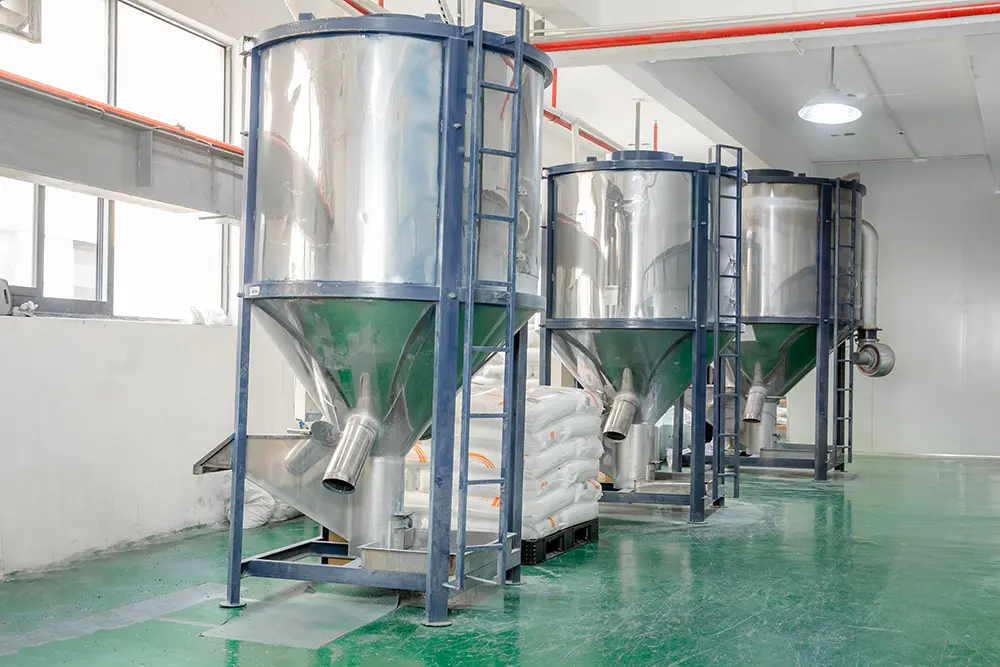
Color powders and raw polymer/wood-fiber compounds are introduced into high-speed industrial mixers until perfectly homogenized.
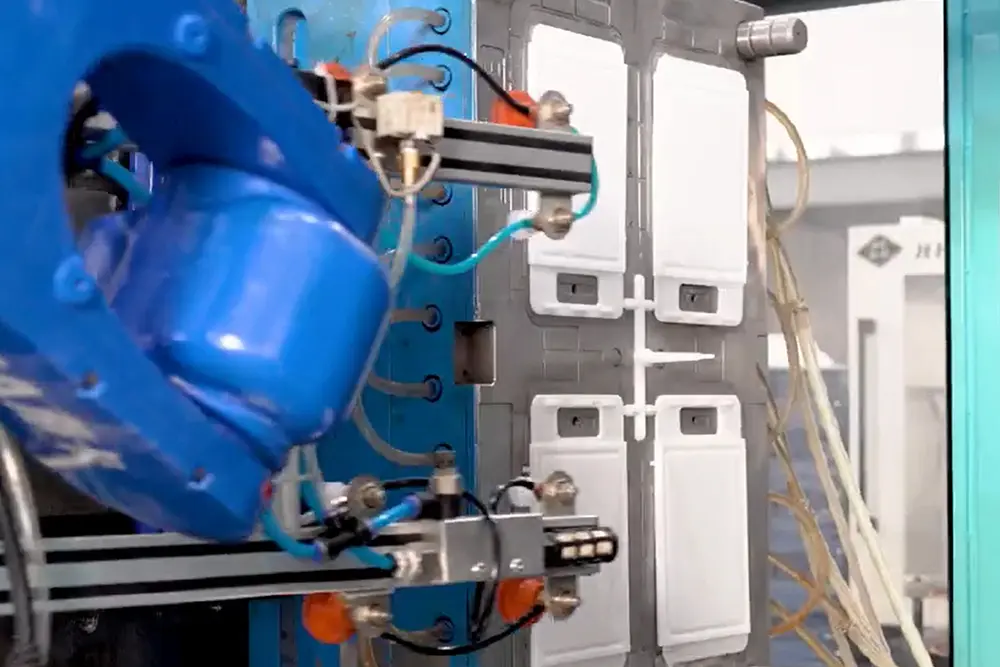
The mixed compounds are fed into high-pressure injection molding machines equipped with custom steel tooling to form the product core.
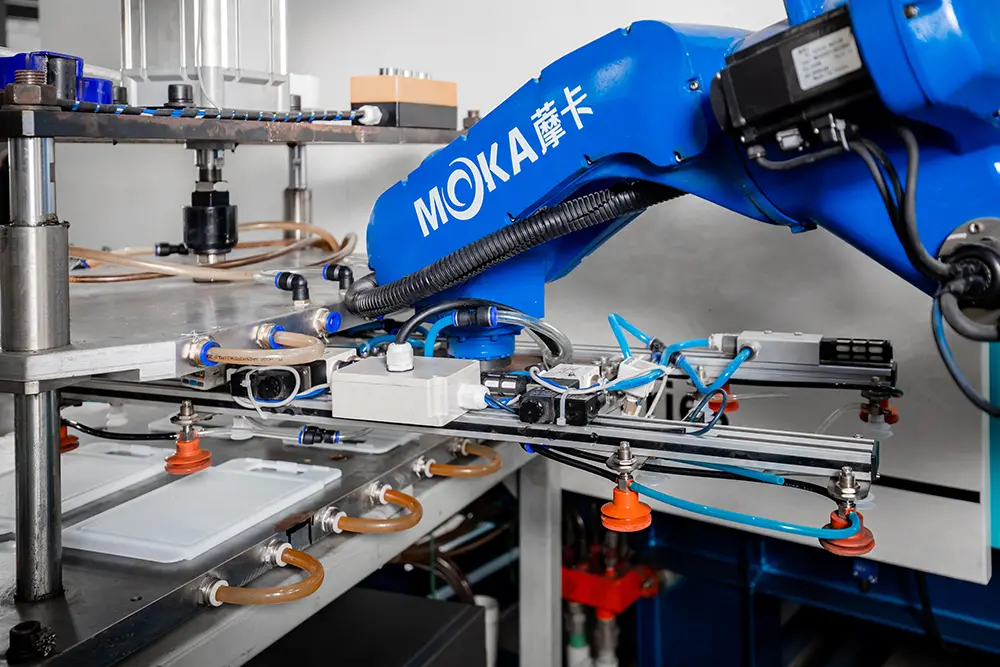
Automated robotic arms extract the molded boards from the tool cavity to prevent warping and transfer them directly to cooling stations.
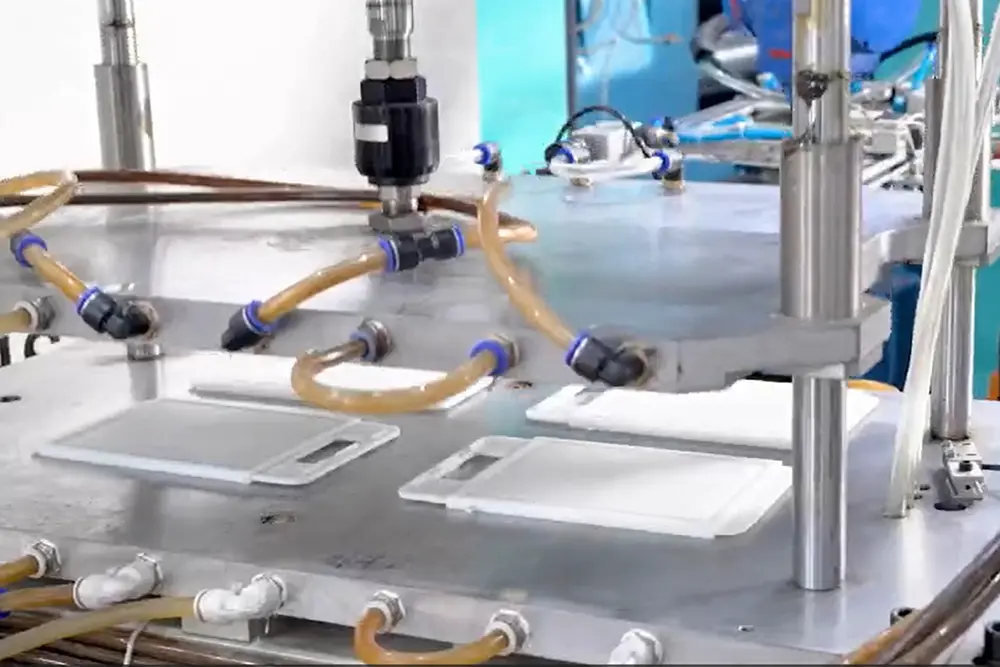
Boards undergo controlled cooling and calibration under mechanical flat-presses to ensure high flatness tolerances.
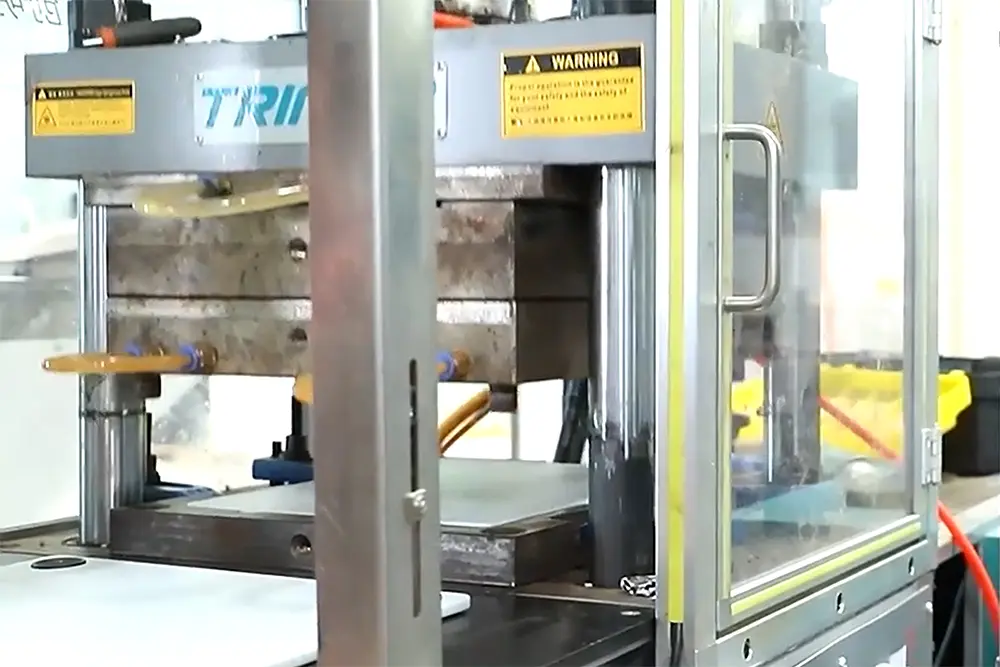
A secondary TPE/rubber compound is over-molded onto the board corners and borders, creating non-slip feet and comfortable handles.
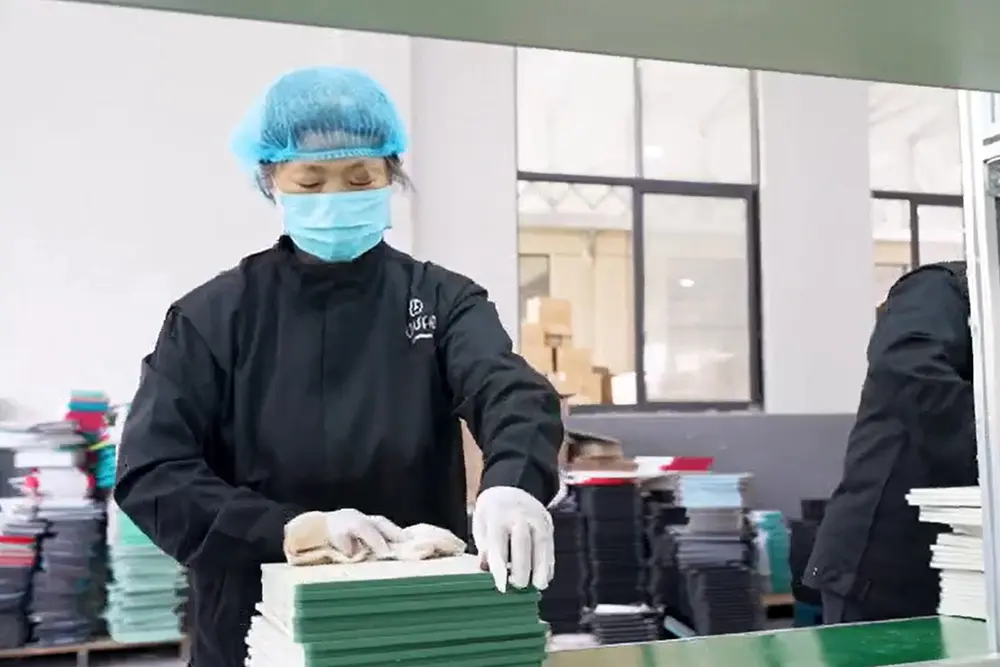
Each board undergoes a thorough surface wipe and clean to remove industrial dust, molding flash, or residue before final inspection.
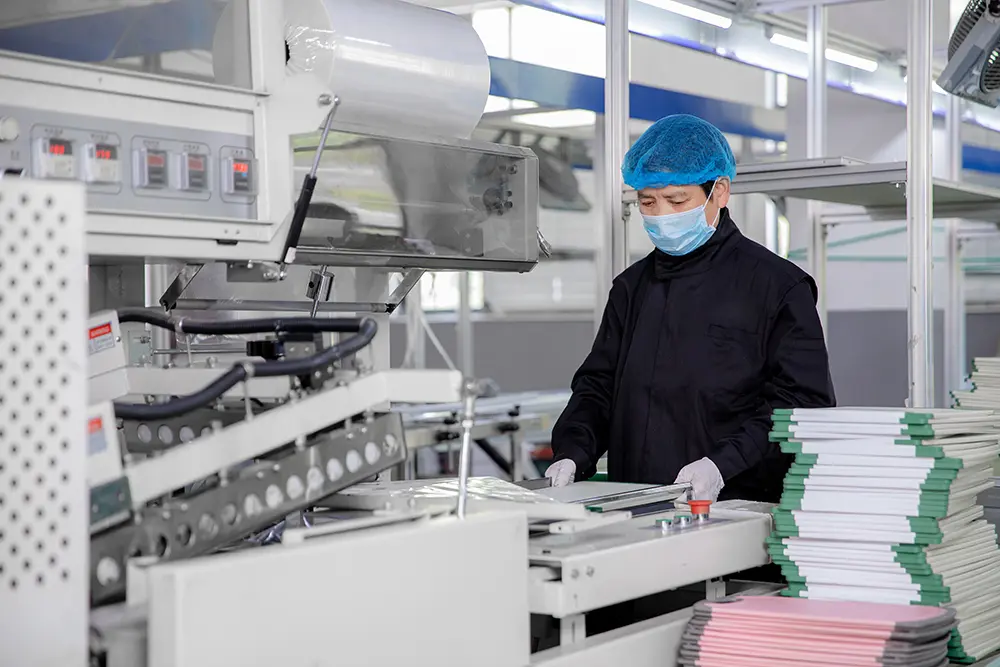
Custom graphic packaging sleeve cards are applied, and the product passes through a heat-shrink tunnel to secure the packaging.
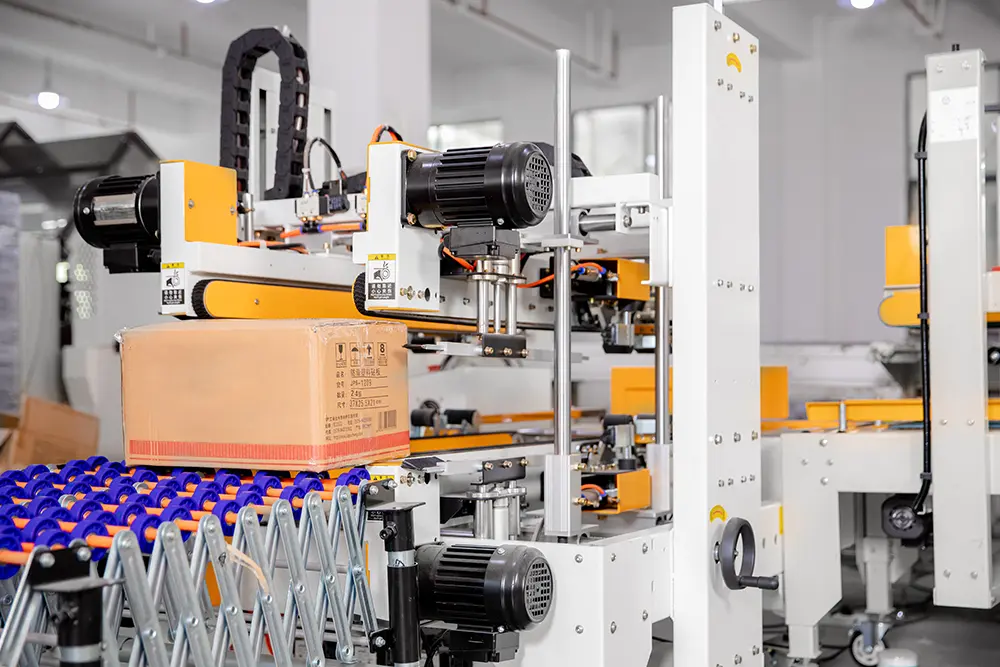
Finished goods are packed into heavy-duty corrugated cartons according to client specifications, ready for container loading and shipping.
A structured approach that translates initial design concepts into retail-ready products.
We convert initial product concepts or 2D sketches into detailed technical drawings, specifying material grades and tolerances for customer verification.
Once drawings are approved, we fabricate the production molds and generate initial sample runs to verify physical dimensions and performance.
We work with our clients to refine and finalize samples, then initiate mass production runs in our automated manufacturing lines.
We manage final packaging, export clearances, and container logistics, delivering bulk shipments directly to your destination port.
Adapting product design to meet specific regional expectations and consumer behaviors.
Consumers in these regions show a preference for large, heavy-duty boards, such as end-grain acacia butcher blocks and thick multi-ply bamboo boards. Popular features include integrated deep juice grooves to manage run-off during meat carving and non-slip rubberized borders for safety. There is also a strong preference for FSC-certified wood and bamboo, which aligns with growing consumer interest in environmentally responsible sourcing.
In East Asian kitchens, lightweight and space-saving options are highly valued. Small-to-medium bamboo blocks and hybrid double-sided boards (featuring stainless steel on one side and bamboo on the other) are popular for separating raw meats from fresh produce. The demand for integrated hanging holes reflects typical kitchen layouts where counter space is limited.
Essential information regarding materials, customization, safety standards, and wholesale procurement.
Explore our full range of serving, slicing, and prep tools built for professional and home use.
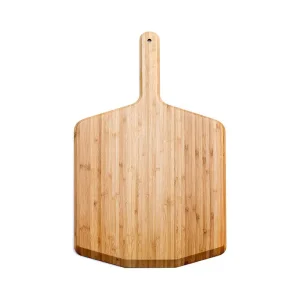
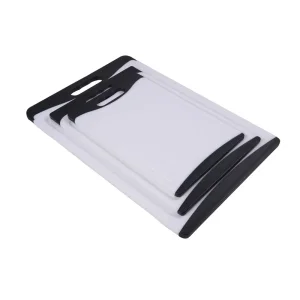
For inquiries about our products, production capacities, or customized pricing lists, please leave your email and requirements below.
 Joywave