Discover our highly requested, precision-engineered kitchen prep solutions, shipped globally to brand owners and retailers.
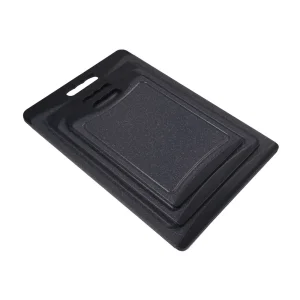
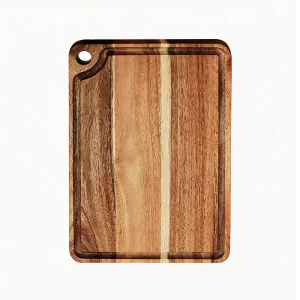
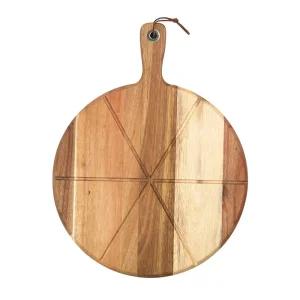
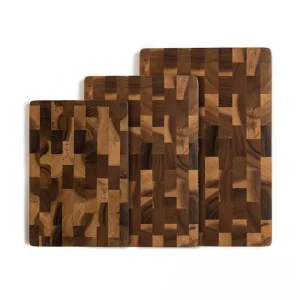
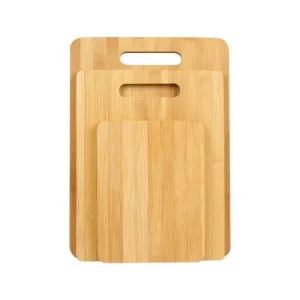
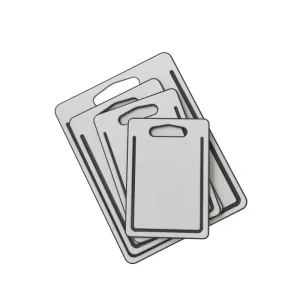
The global demand for high-end wooden cutting blocks and cutting boards has experienced substantial growth, driven by a convergence of professional culinary expectations and consumer preferences for eco-friendly products. Historically regarded as simple kitchen prep boards, wood blocks and composite boards have evolved into central design and utility elements in contemporary kitchens worldwide.
In mature markets such as North America and Western Europe, the preference for sustainable materials like Acacia, Hard Maple, Walnut, and organic Bamboo has eclipsed low-cost plastic options. Consumers recognize that natural wood structures preserve knife sharpness, offer superior durability, and carry inherently self-sanitizing characteristics. This change in user preference has created a strong B2B procurement market. Today, major chains, corporate retailers, and culinary distributors look for large-scale production partners who can supply boards that meet strict quality standards, safe-food certifications, and environmental requirements.
We source premium grade Acacia and Bamboo, maintaining strict control over wood moisture levels (8-12%) to prevent warping and cracking in dry regions.
FDA, LFGB, and FSC certifications validate our commitment to supply chain transparency and consumer health safety.
With massive daily production runs and advanced machinery, we can fulfill high-volume orders for global retailers.
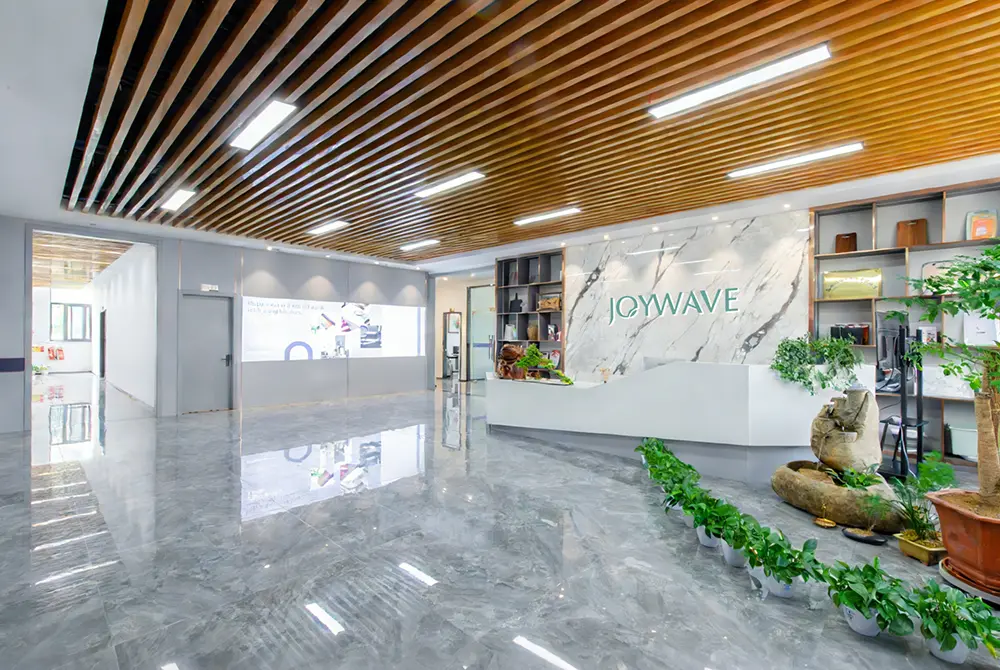
Founded in 2013 and strategically based in Ningbo, China, JOYWAVE has established itself as an elite OEM manufacturer and industry expert in modern kitchenware. Over more than a decade of development, we have integrated comprehensive, in-house industrial design, raw material engineering, custom mold development, and high-efficiency manufacturing processes.
We run a streamlined, vertical production line capable of handling multiple materials: Polypropylene (PP), Polyethylene (PE), Bamboo, Eco-friendly Wheat Straw, Stainless Steel, and a variety of premium woods, with a focus on Acacia and Walnut. This allows us to serve as a reliable one-stop B2B manufacturer for prominent global brands and retail chains.
Sourcing your commercial wood and composite cutting boards from Ningbo offers distinct competitive advantages. The Ningbo industrial cluster provides direct, cost-efficient access to raw lumber and modern composite materials, alongside optimized supply chains. High-speed automated machinery minimizes manual errors and ensures consistent dimensional accuracy across large batches.
Additionally, Ningbo’s status as one of the world's premier deep-water ports ensures unmatched shipping logistics. This drastically reduces domestic transport times, allows for rapid custom clearance, and cuts down on international freight charges, ensuring your retail shelves remain stocked year-round.
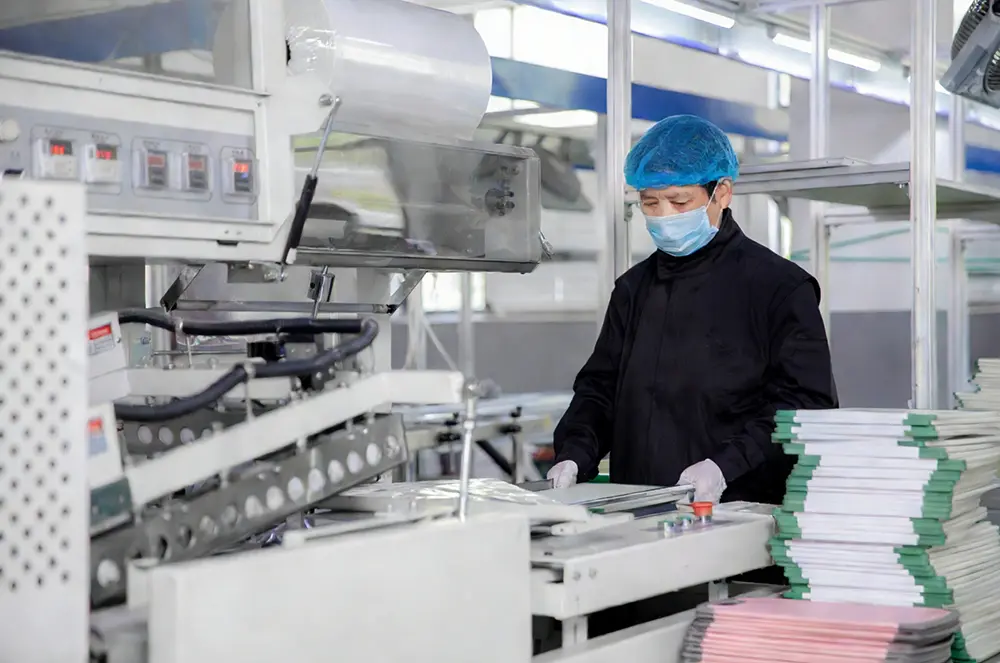
From initial concept drawings to global shipping, we manage every step of the process.
We convert your initial concept designs or 2D sketches into high-precision, production-ready 3D CAD/CAM models for approval.
Using advanced CNC equipment, we fabricate precision molds and generate physical prototypes to verify dimensions and weight.
Once prototypes are approved, we transition to high-capacity manufacturing lines to produce consistent, high-volume runs.
We carry out complete QA checks, arrange secure packaging, and manage international shipping directly to your distribution centers.
Trusted by major retailers and distributors across key markets worldwide.
Fulfilling large-volume orders for major retail giants and boutique culinary brands in the US and Canada.
Supplying LFGB and FSC-compliant products to markets in Germany, France, the UK, and Northern Europe.
Providing high-precision OEM manufacturing services for rapidly growing kitchenware brands across Oceania and Asia.
A transparent look at the advanced manufacturing steps that ensure the quality and durability of every board.
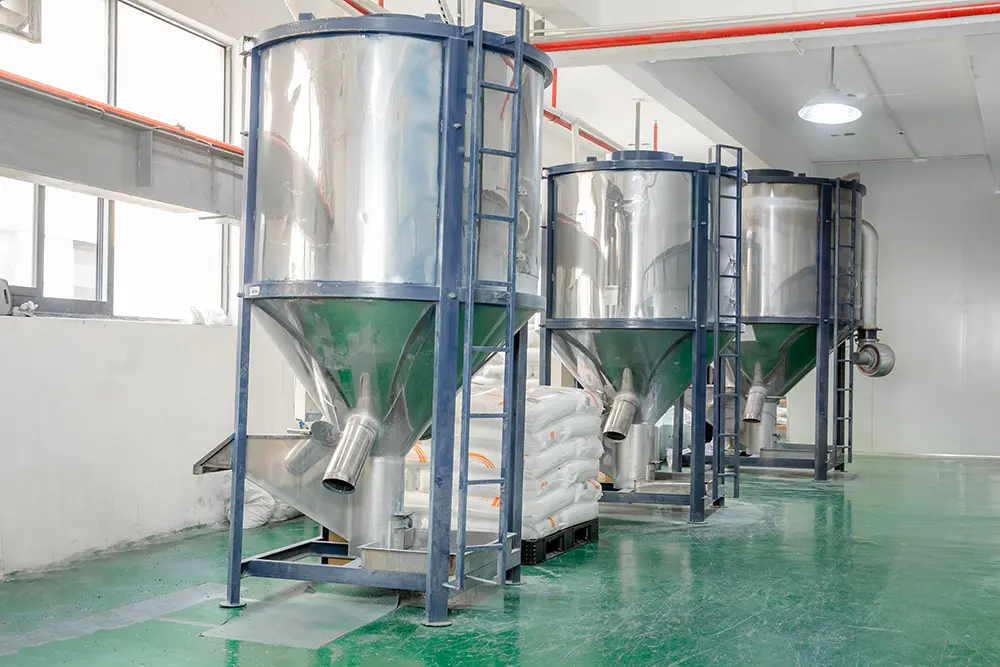
Blending food-safe color pigments and performance-enhancing raw polymers inside high-capacity industrial mixers.

Injecting the heated polymer mix into precision-engineered steel molds under high pressure to shape the board cores.

Automated robotic arms safely extract molded boards from the press and transfer them to the cooling station.

Controlled cooling under weight stabilization structures to prevent warping and ensure flat working surfaces.
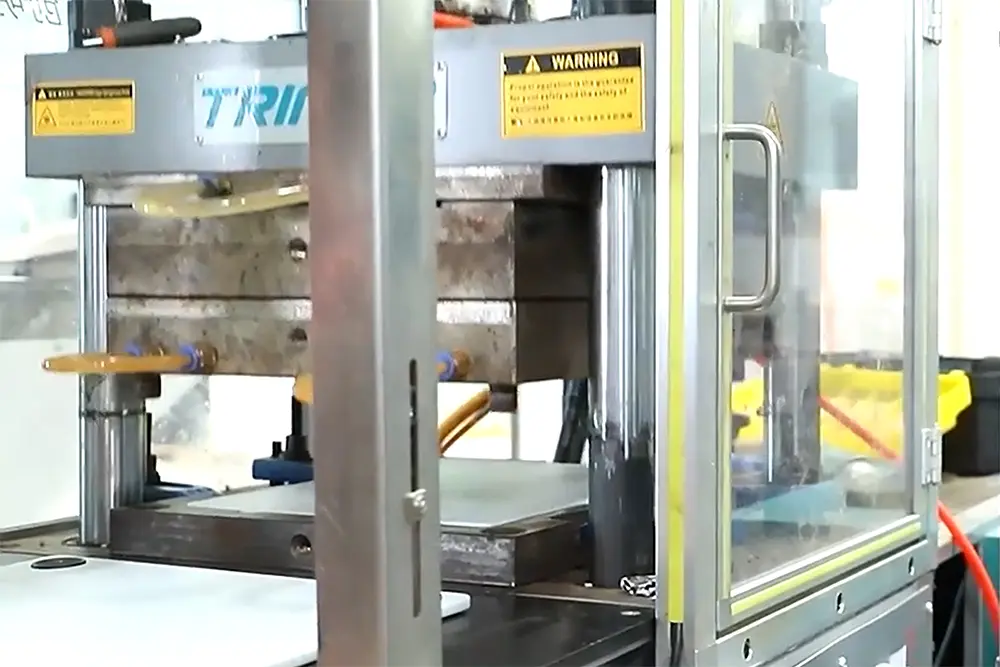
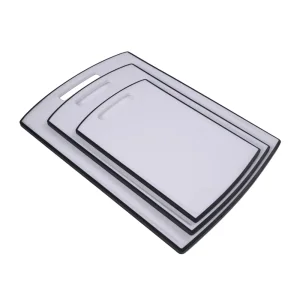
Applying secondary Thermo-Plastic Elastomer (TPE) borders to create soft-touch, slip-resistant edges.
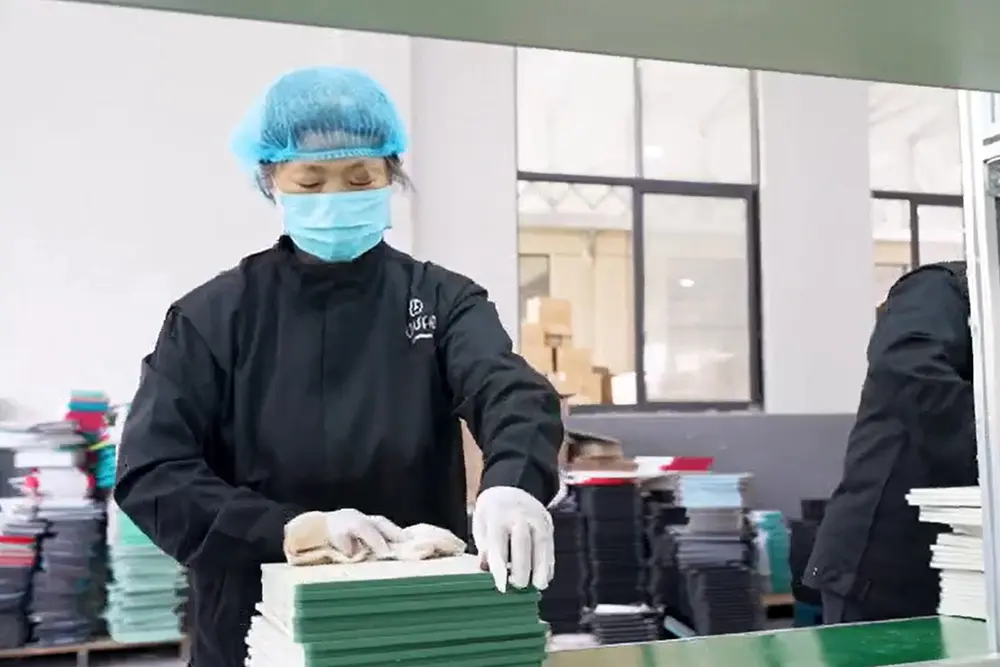
Manual and air-jet debris removal to ensure the board surface is free of manufacturing residues.

Applying custom retail labels and high-clarity polyolefin film before heat-tunnel shrink wrapping.
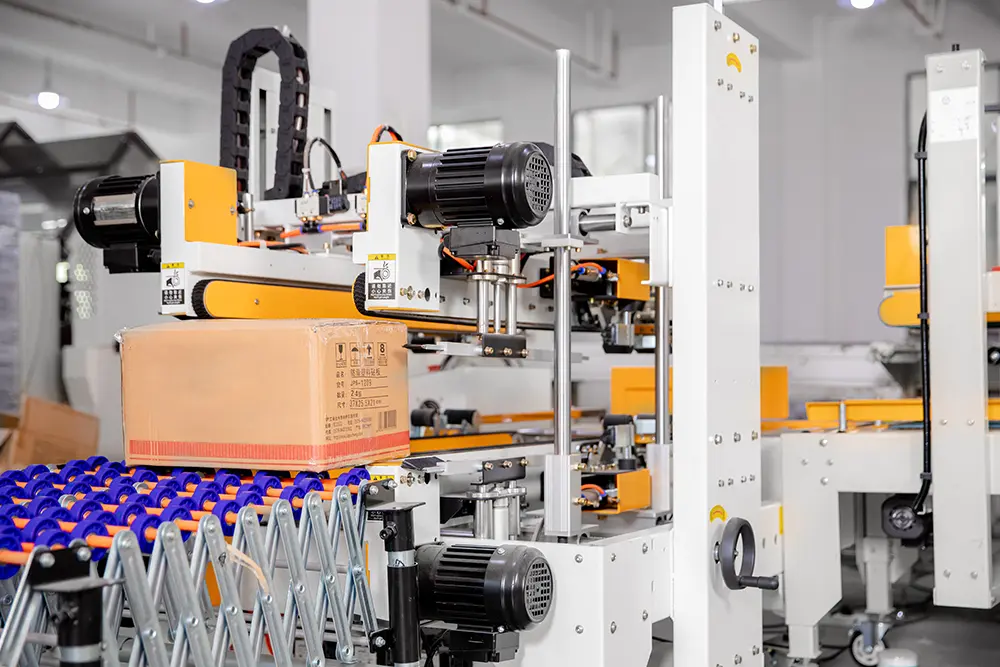
Packing finished items into corrugated master cartons, optimized for safe storage and container shipping.
For B2B procurement managers and kitchenware brand owners, choosing the right material composition is essential for product positioning. Natural wood cutting blocks require specific material science knowledge. Let's compare the properties of our primary raw materials:
Acacia is a highly durable hardwood characterized by rich, contrasting grain patterns and high natural oil content. These natural oils provide excellent resistance to water penetration, helping prevent mold growth and deep bacterial staining. It has a high hardness rating on the Janka scale, making it ideal for heavy-duty chopping blocks and serving boards.
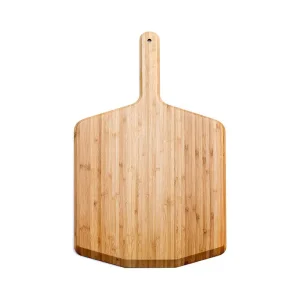
Bamboo is a fast-growing grass that offers a highly sustainable alternative to slow-growing hardwoods. It has a dense fiber structure that resists water absorption and knife scarring. Due to its lightweight and cost-effective production, bamboo is a popular choice for high-volume consumer retail sets.
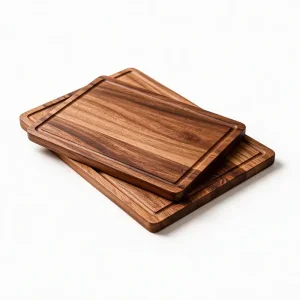
Walnut is a classic choice for high-end culinary markets. Its dark color provides a premium look, making it popular for both food preparation and serving boards. The wood is softer than Acacia, helping protect high-carbon steel kitchen knives from premature dulling.
Stay ahead of consumer demand with these key product development shifts in the global market.
The use of agricultural co-products, such as wheat straw composites and recycled ocean plastics, is growing fast. Consumers prefer functional kitchenware with a lower carbon footprint.
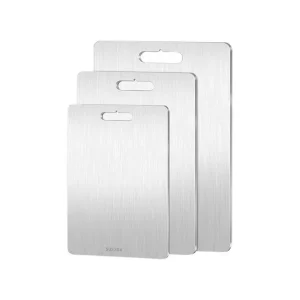
Products that combine materials—such as wood boards with integrated silicone grips, or double-sided designs with stainless steel on one side and wood on the other—are gaining market share.
Custom packaging, precise laser-etched branding, and unique handle options allow retail chains to establish solid brand loyalty and differentiate themselves in competitive markets.
Answers to common B2B procurement queries, covering compliance, custom manufacturing, and ordering processes.
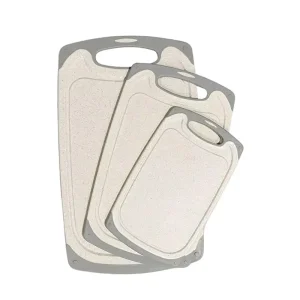
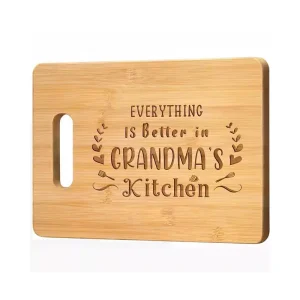
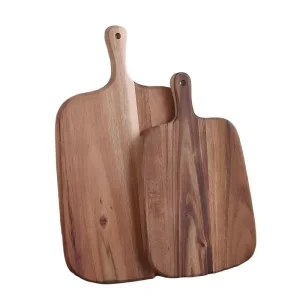
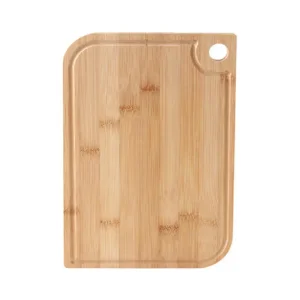
Explore more designs, materials, and shapes tailored for modern kitchens and premium dining presentation.
 Joywave