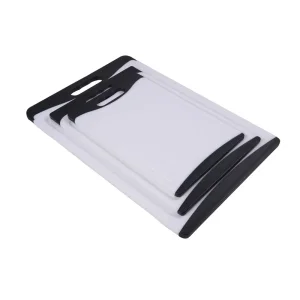
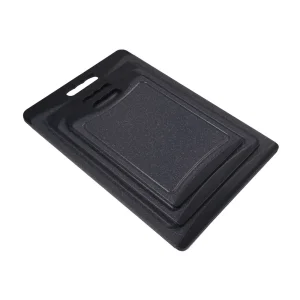
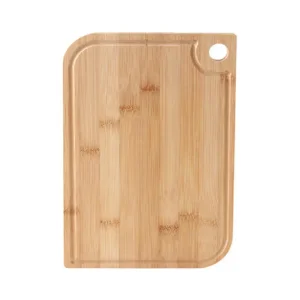
In modern commercial culinary operations, high-velocity retail networks, and residential kitchen spaces, the humble chopping block has undergone a rapid technical and material science evolution. Once viewed as basic wood utilities, modern cutting boards are now carefully engineered contact interfaces. They must balance strict hygiene protocols, culinary knife longevity, high-volume manufacturing throughput, and complex global regulatory compliance. For category managers, procurement directors, and retail merchants representing giants like Walmart, Costco, Macy's, and Williams Sonoma, securing a stable, highly compliant, and scalable OEM/ODM manufacturer is critical to protecting brand reputation and driving category growth.
"Sourcing top-tier kitchenware demands more than catalog browsing. It requires deep integration of design, tooling engineering, material compliance, and automated production. JOYWAVE, founded in 2013 in Ningbo, has stood at the crossroads of these values for over a decade."
As food safety and environmental sustainability become key consumer purchasing drivers, the global food preparation tools market has split into distinct segments: performance plastics (Polypropylene, Polyethylene), natural bio-composites (Wheat Straw, Recycled PP), high-durability metals (Stainless Steel), and natural timbers (Acacia, Bamboo). Each material represents unique chemical structures and physical properties tailored for specific use cases. Identifying the right manufacturer capable of processing these diverse materials under a single quality control standard is a key competitive advantage for global brands.
For tier-one retailers, the stakes of sourcing home and kitchenwares are incredibly high. Every batch of products must align with strict supplier standards, social responsibility parameters, and chemical safety rules. At JOYWAVE, our operations are built to meet these enterprise-level requirements. By partnering with leading retailers across North America and Europe, we have developed a robust compliance framework that matches the strict standards of audit protocols like BSCI, SMETA, and ISO 9001.
Full compliance with factory auditing frameworks, including BSCI, guaranteeing ethical labor practices, safe working conditions, and ecological responsibility across all production lines.
Equipped with multiple automated injection molding systems and robotic handling arms, we handle high-volume seasonal spikes without sacrificing quality or delivery timelines.
Transitioning concepts from raw sketch arrays to finished 3D CAD/CAM models within days, allowing rapid testing, validation, and production ramp-up.
Global supply chain management also requires advanced logistical planning. Our shipping networks reach North America, Europe, Latin America, Africa, and Australia. Our teams are structured to coordinate and execute shipping strategies that integrate seamlessly with international distribution operations.
Selecting the proper material matrix for a chopping block is not just an aesthetic choice; it directly impacts food safety, surface longevity, and tool wear. Below is an engineering comparison of the primary materials used in modern culinary boards:
Thermoplastics remain the gold standard for high-hygiene food processing. High-density polypropylene (PP) provides excellent chemical resistance, zero moisture absorption, and high impact tolerance. Its structural density is designed to give slightly under knife force, protecting the blade's edge while resisting deep gouges that can trap food particles. Additionally, PP handles high temperatures, making it fully dishwasher safe.
As environmental sustainability shifts from a niche preference to a core market requirement, wheat straw fiber composite technology has become highly relevant. By mixing agricultural wheat straw agricultural residues with food-grade polypropylene, we reduce virgin polymer consumption by up to 30%. This delivers a high-performance material with a lower carbon footprint, natural texture, and high structural strength.
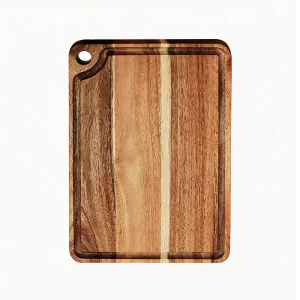
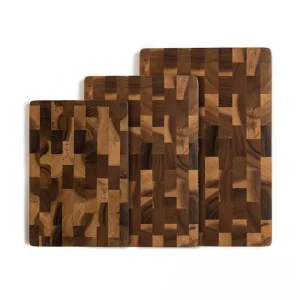
Natural wood cutting boards offer self-healing fiber matrices and premium presentation value. Hardwoods like Acacia, known for their high silica content and natural oils, resist water absorption and warping. End-grain wood assemblies align fibers vertically, allowing knife blades to slip between the grains rather than slicing them, protecting both the blade and the block over years of use.
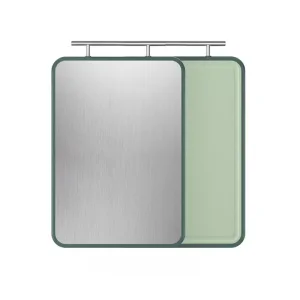
In professional pastry kitchens and meat-processing spaces, stainless steel offers a completely non-porous, easily sanitized surface. By combining stainless steel with a polymer backing, our dual-sided boards offer dual-functional versatility: a hygienic steel side for raw meats, and a resilient, shock-absorbing polymer side for general vegetable preparation.
Blending virgin polymers, natural fibers, and colorants in high-torque mixers to ensure uniform color density and structural consistency throughout the material matrix.
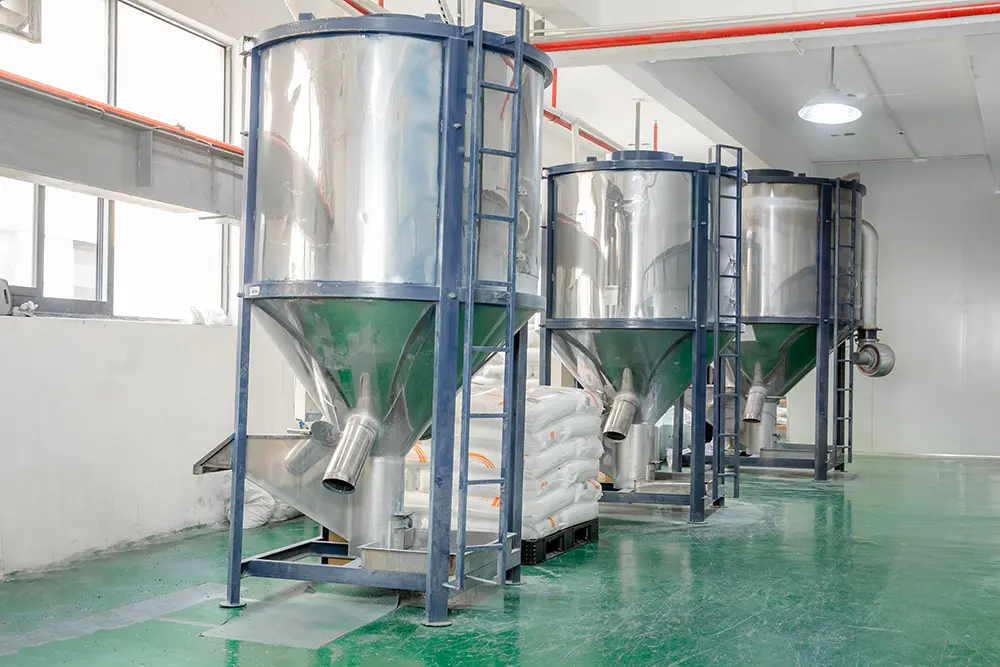
Using high-pressure injection molding machines with custom tooling molds to shape the boards with precise dimensions and integrated handle areas.
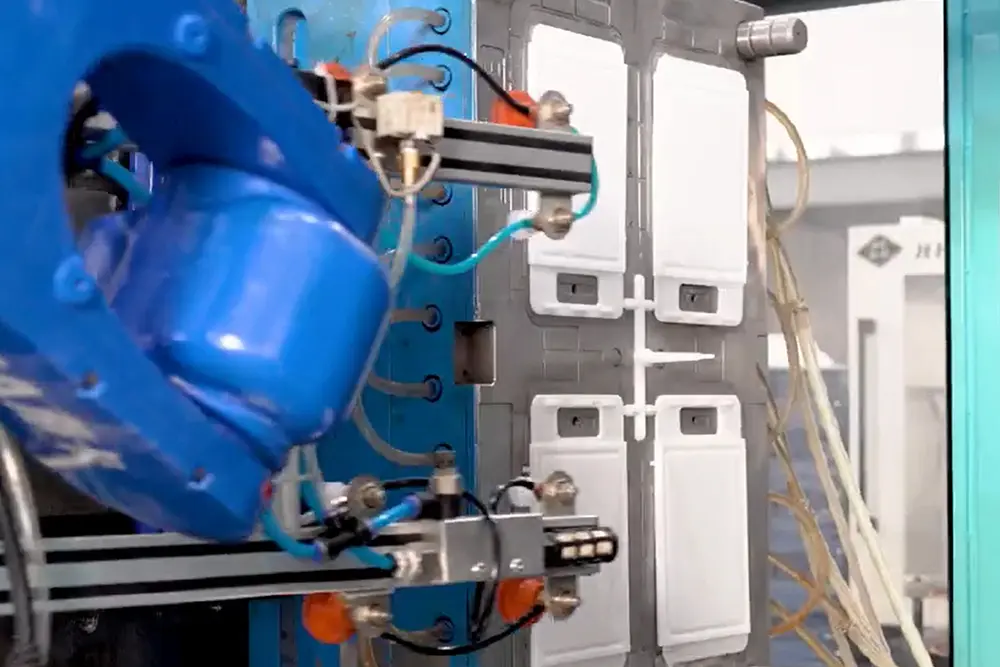
Automated robotic demolding systems gently remove the warm molded parts from the core tooling to prevent surface distortion and scratches.
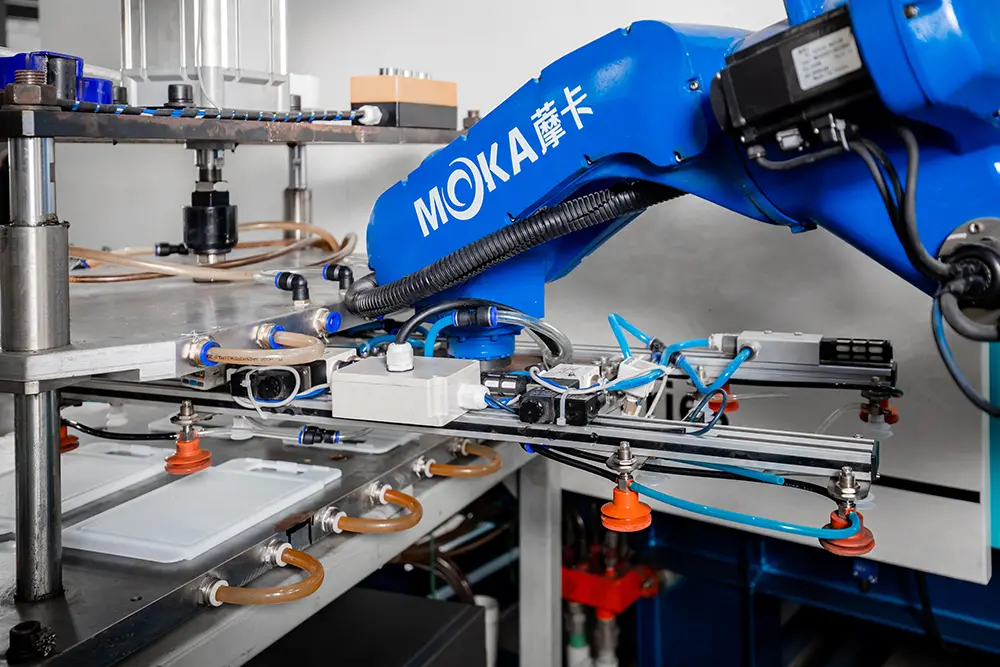
Placing warm boards into specialized tempering presses to ensure zero warping as the crystalline polymers cool, keeping the surface perfectly flat.
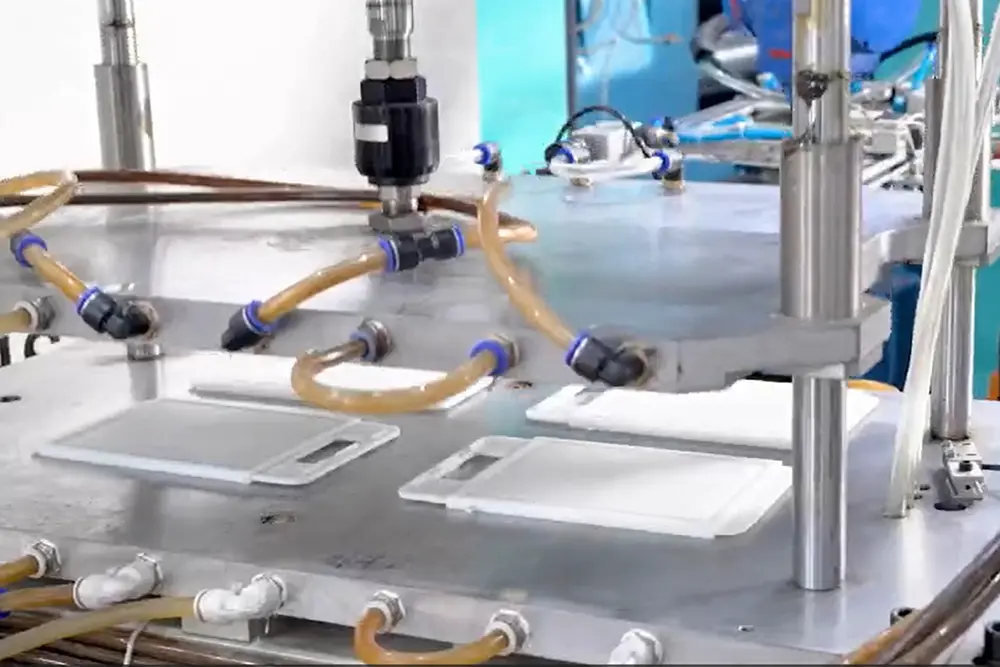
Secondary thermoplastic elastomer (TPE) injection processes mold rubberized slip-resistant edges onto the board corners for enhanced kitchen stability.
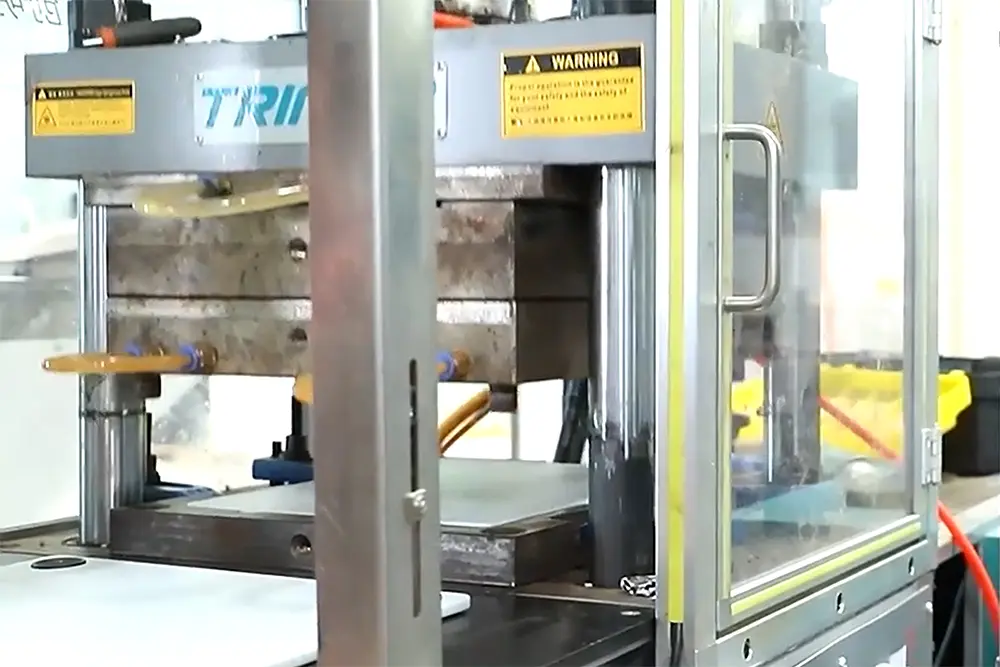
Passing boards through cleaning systems to remove trace residues and dust, preparing the surfaces for labeling and retail packaging.
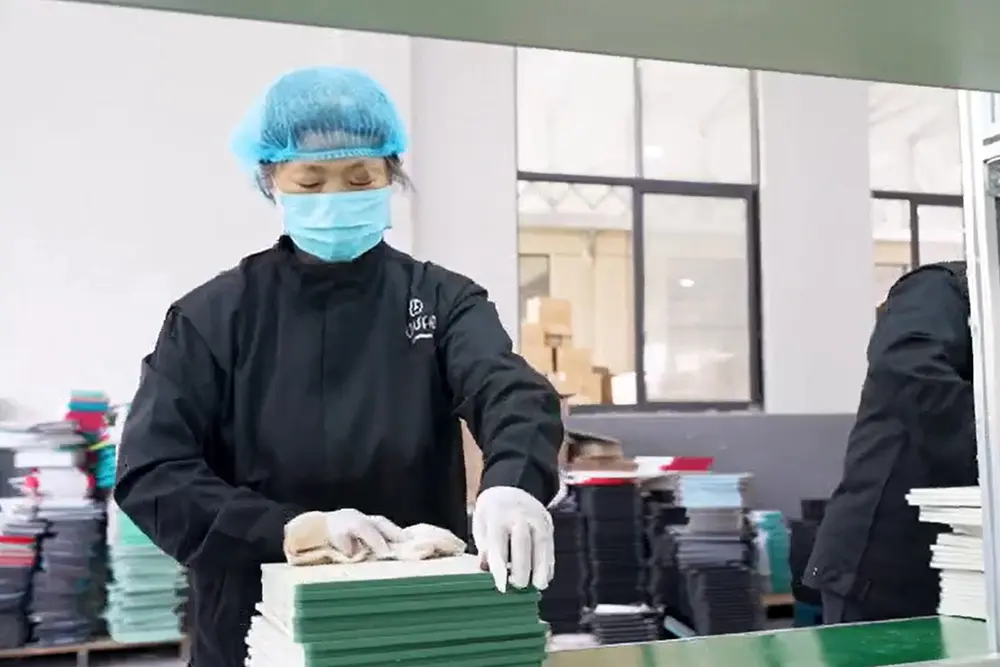
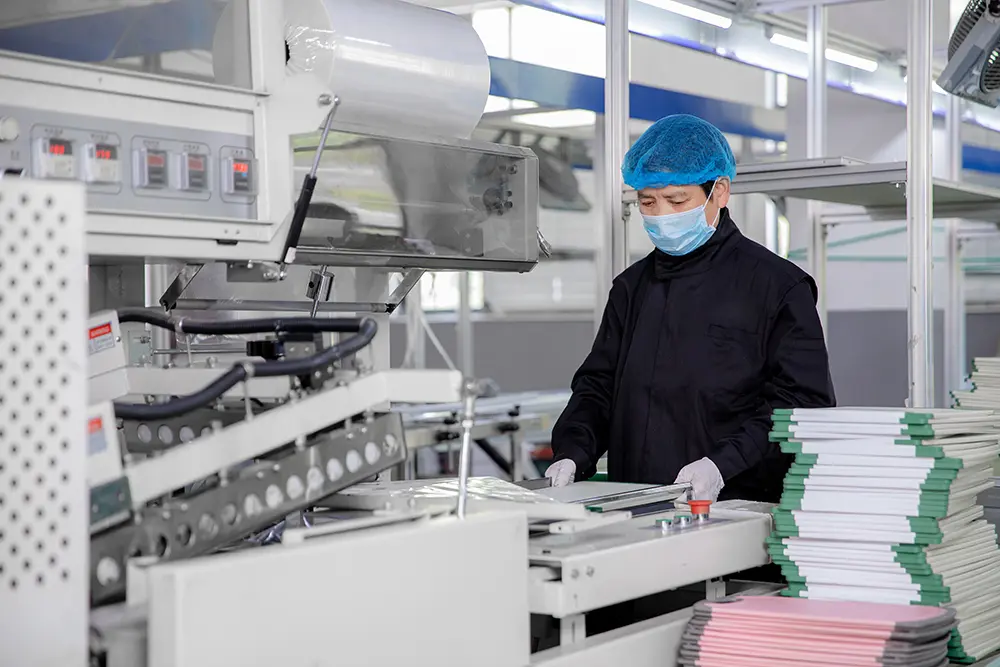
Applying branded paper wraps, inserts, or barcodes, followed by heat shrink wrapping to protect the board during transit and display.
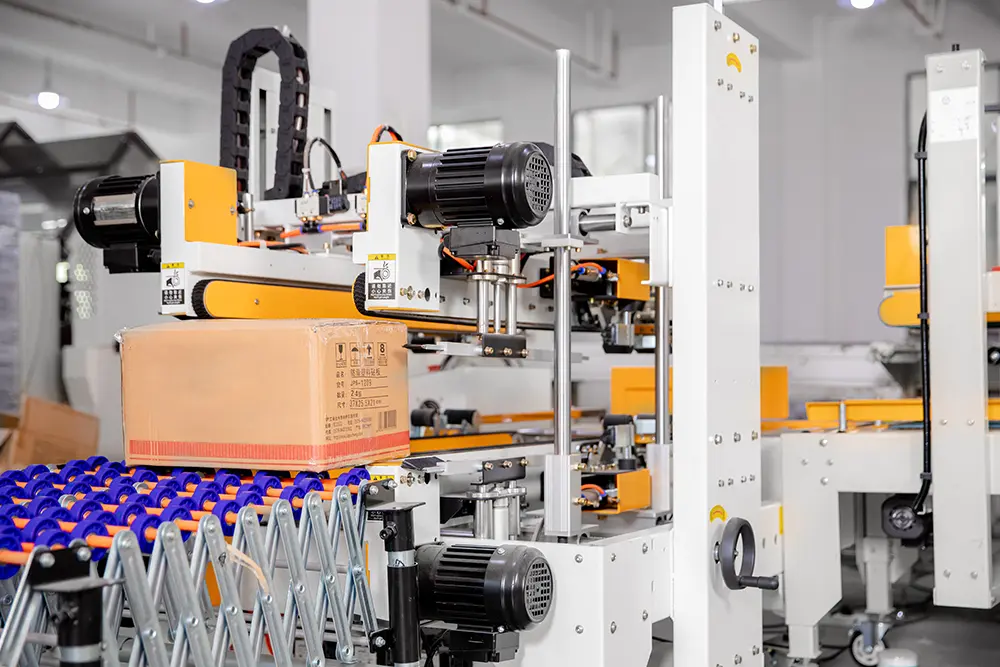
Packing finished items into double-walled master cartons designed for overseas container transport, preventing moisture ingress and crush damage.
Manufacturing logistics dictate the success of international retail programs. JOYWAVE's production facility is located in Ningbo, a major global industrial kitchenware hub. This strategic location offers two distinct advantages: material availability and container logistics. Ningbo Port, one of the world's busiest container hubs, provides direct shipping routes to North America and Europe. This geographic advantage reduces transit times to port, lowers inland transportation costs, and simplifies customs coordination.
Furthermore, the Ningbo industrial ecosystem provides access to high-quality raw materials, specialized chemical compounders, and advanced tooling manufacturers. This concentration allows us to source materials efficiently and accelerate product development cycles. We can design and refine custom prototypes, tooling molds, and production schedules faster than isolated manufacturers, giving our OEM partners a clear time-to-market advantage.
At JOYWAVE, we operate as a dedicated engineering partner for your kitchenware lines. Our team works with you to turn product concepts or 2D sketches into detailed manufacturing drawings. We translate your branding and design needs into optimized, functional molds.
Whether your product roadmap requires colored, slip-resistant polymer designs, eco-friendly composite options, high-density polyethylene structures, or fine hardwood details, we provide a single source for product design, material sourcing, packaging, and logistics.
Food prep tools must adapt to different environments and culinary cultures. The physical demands of a high-volume Western grocery kitchen differ significantly from a home kitchen or an outdoor grill setup. Our products are designed for these diverse application scenarios:
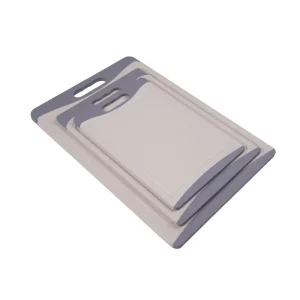
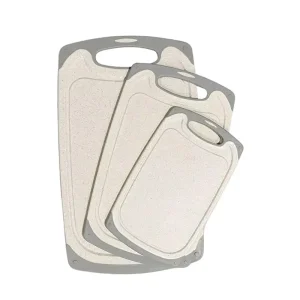
Optimized for safety and design. Features double-sided designs, built-in juice grooves, and compact dimensions that fit standard home dishwashers.
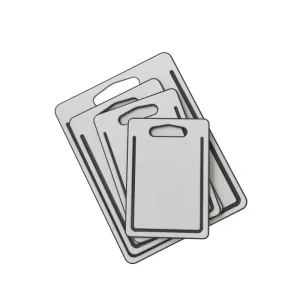
High-density boards color-coded to prevent cross-contamination (e.g., green for vegetables, red for raw meats). Durable enough for commercial sanitizing cycles.
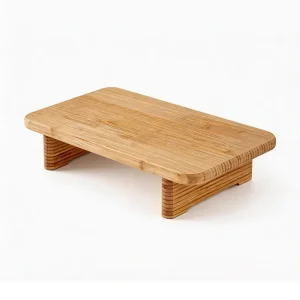
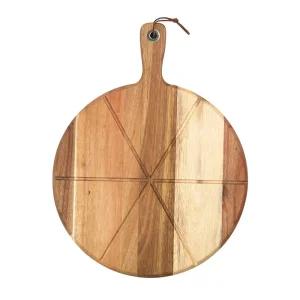
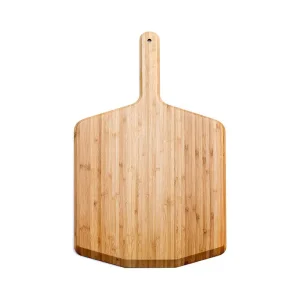
Richly grained Acacia wood pizza boards and bamboo paddles designed to go straight from oven to dining table, matching the aesthetic of modern restaurants.
 Joywave