Explore our highly curated selection of eco-friendly, composite, and heavy-duty cutting surfaces engineered for global retail markets and commercial distribution.
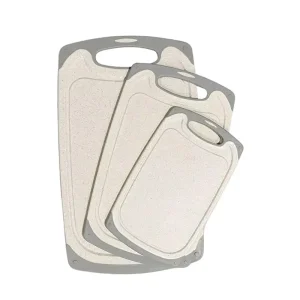
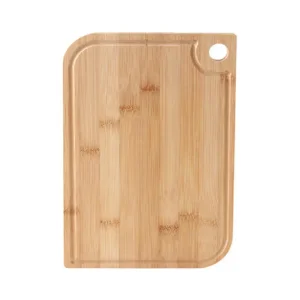
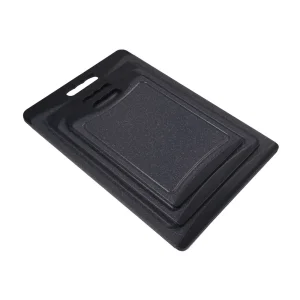
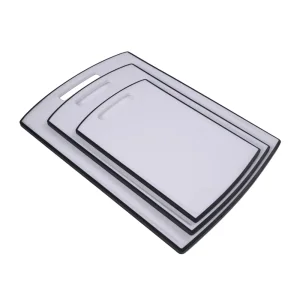
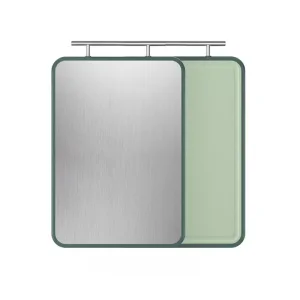
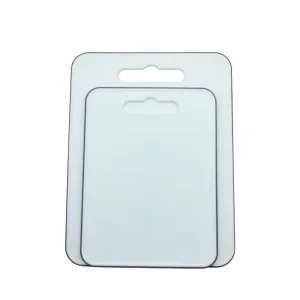
In the modern hospitality, retail, and food processing sectors, hygiene compliance is not merely a legal checkbox; it is a critical driver of brand equity and operational safety. Traditional cutting surfaces, such as wood and soft polymers, while gentle on cutlery, present long-term structural issues when deployed at scale. Over time, knife scoring creates micro-grooves that act as bacterial reservoirs, facilitating cross-contamination and resisting standard sanitation methods.
This sanitary bottleneck has catalyzed a global market shift toward premium SUS304 food-grade stainless steel cutting surfaces. Offering non-porous structural properties, these materials eliminate microbial retention and are highly resistant to chemical corrosion from commercial sanitizers. As global inspection frameworks (such as FDA, LFGB, and EU Food Contact Regulation 1935/2004) tighten, procurement officers and B2B buyers are increasingly prioritizing metallic and hybrid dual-sided composites as standard installations.
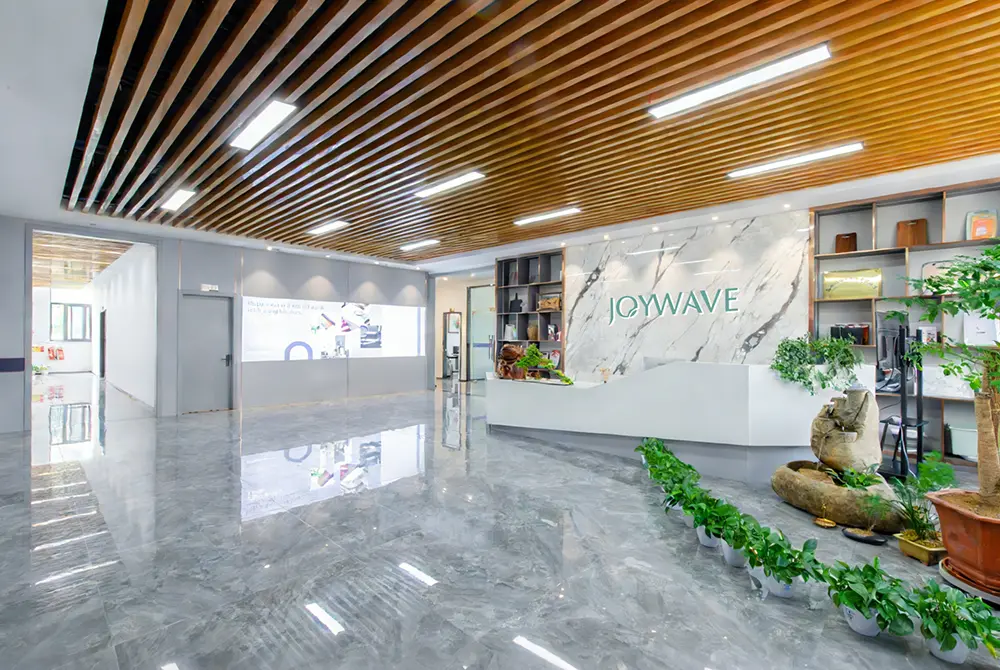
Combining technological innovation, institutional reliability, and global distribution logistics to serve the world's most demanding consumer brands.
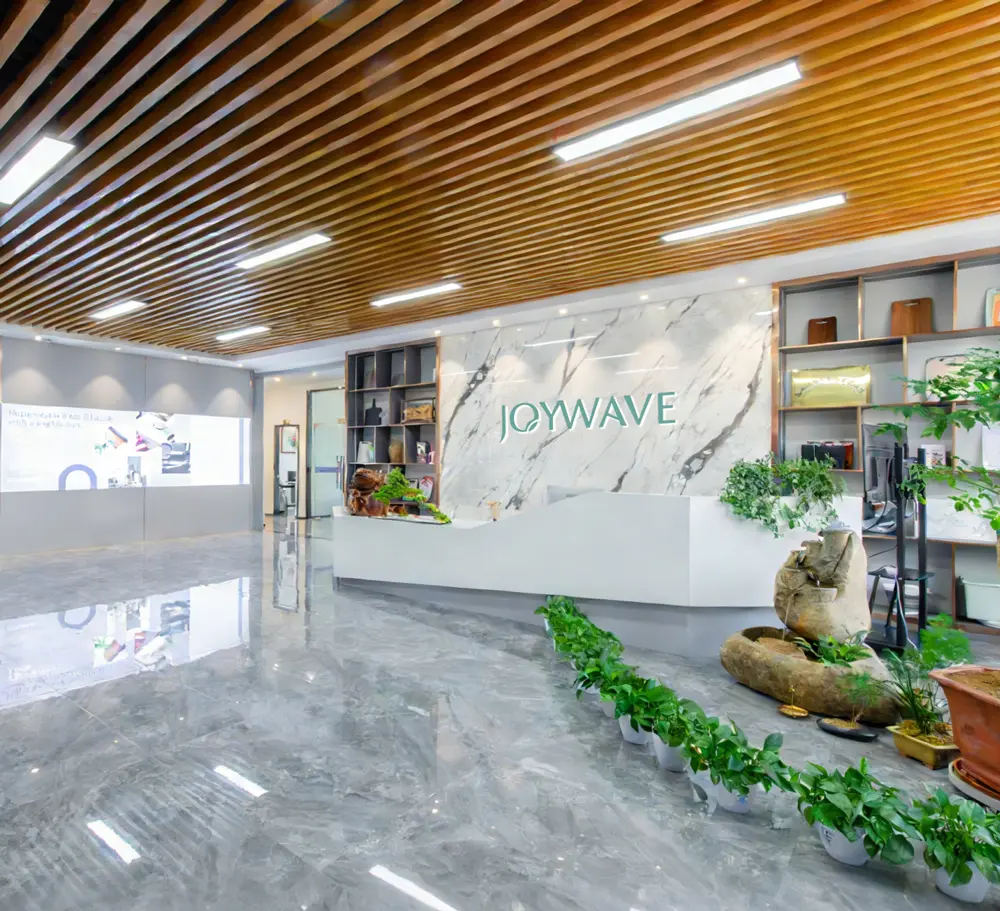
Based in Ningbo, China, JOYWAVE is an industry-leading OEM/ODM manufacturer specializing in advanced kitchenware. Over a decade of engineering development has allowed us to build custom pipelines that deliver certified kitchen equipment directly to global markets.
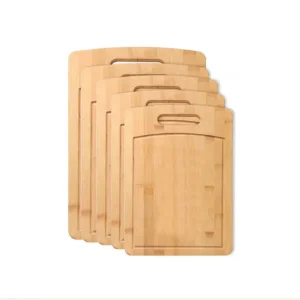
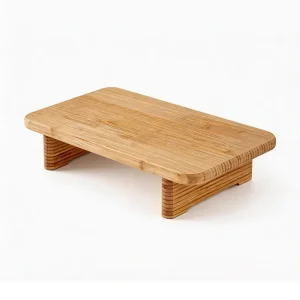
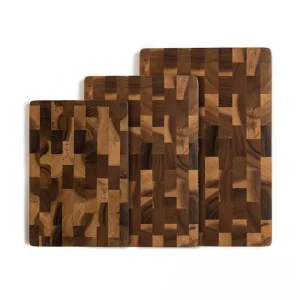
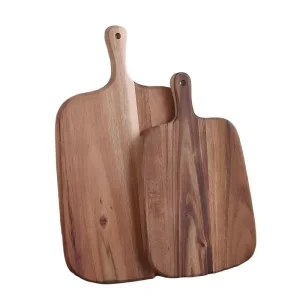
From single-surface food preparation tools to complex, dual-sided polymer-metal hybrids, JOYWAVE offers a complete portfolio: chopping boards, prep stations, serving trays, and organizational kitchenware fabricated from PP, bamboo, acacia, and SUS304 steel.
Our strict quality assurance protocols make us a trusted manufacturing resource for prominent multinational retailers, supplying chains such as Walmart, Costco, Macy's, HomeGoods, and Williams Sonoma across North America and Europe.
Founded & Engineered
Annual Production Output
Global Brands Served
Compliance & Certification Rates
A B2B technical assessment of material choices, cutlery edge retention, and thermodynamic parameters of stainless steel prep stations.
When selecting steel cutting board vendors, B2B procurement managers must understand the metallurgical distinctions that drive performance, safety, and lifespan. The primary alloy used in premium environments is Austenitic SUS304 Stainless Steel. Known for its high chromium (18-20%) and nickel (8-10.5%) content, SUS304 resists chemical pitting from natural food acids and harsh chlorinated sanitizers.
A common engineering objection to steel prep surfaces is knife edge degradation (dulling). To resolve this, modern B2B designs utilize **dual-sided hybrid structures**. These feature a food-grade, laser-textured stainless steel face on one side—optimized for sanitary prep of raw meats, seafood, and poultry—while the reverse side features high-density polymers (such as polypropylene) or natural fibers (like wheat straw and bamboo) for vegetable and precision slicing.
Below is an engineering comparison table showing how stainless steel aligns with alternative commercial board substrates:
| Material Substrate | Porosity & Bacterial Resistance | Chemical Corrosion Resistance | Lifespan (Commercial Load) | Primary Industrial Use Cases |
|---|---|---|---|---|
| SUS304 Stainless Steel | Absolute Zero (Non-porous) | Exceptional (Chlorinated Agents) | Indefinite (10+ Years) | HACCP Raw Meat, Seafood, Sterile Labs |
| High-Density Polypropylene | Low (Increases with surface cuts) | Moderate (Stains and absorbs odors) | 1-3 Years | General Assembly Prep, Vegetables |
| End-Grain Hardwood | Moderate (Self-sanitizing fibers) | Poor (Prone to splitting/swelling) | 3-5 Years (Requires oiling) | Bespoke Carving Stations, Presentation |
| Wheat Straw Composites | Low-Medium (Eco-degradable) | Moderate | 1-2 Years | Consumer Retail, Light Culinary Prep |
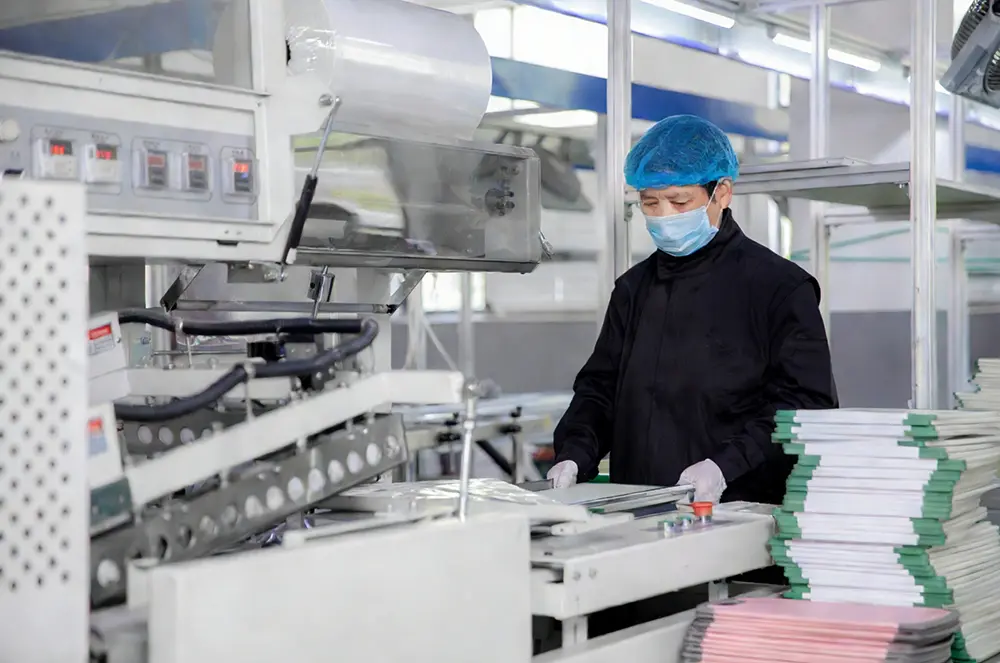
Procuring kitchenware at a global scale requires suppliers that can navigate shipping, customs compliance, and supply chain bottlenecks. As a high-capacity OEM provider located near Ningbo Port, JOYWAVE coordinates complex international supply chains to deliver consistent product quality across continents.
Whether designing a private-label retail line for European hypermarkets or supplying food prep surfaces for North American restaurant networks, we tailor our metallurgical processes and polymers to meet local market regulations. Our integrated production facilities provide end-to-end oversight from raw materials to final export packaging.
A detailed breakdown of how JOYWAVE combines mechanical engineering and automated robotics to produce world-class hybrid cutting surfaces.
Color pigments and raw polymer matrices are mixed in a high-volume industrial blender to ensure structural uniformity and color fastness.
Polymer materials are loaded into injection molders. Precision-machined steel tooling forms the base structural frame of the board.
Automated robotic arms remove hot molded frames from the mold cavity and transfer them to the integrated cooling line.
Frames go through a controlled cooling cycle while under physical compression to prevent structural warping and ensure flat surfaces.
Secondary materials (like non-slip TPE edges) are over-molded, and premium stainless steel faces are chemically and mechanically bonded.
Manual and mechanical wiping removes industrial residue, preparing the metal and polymer surfaces for final inspection.
Branded packaging, retail inserts, and shrink-wrapping are applied via automatic heat-tunnel packaging machinery.
Packaged products are boxed into heavy-duty master cartons and transferred to the warehouse for final shipping clearance.
Different culinary markets require specialized product adaptations. To meet these varied needs, our engineering team works with local buyers to develop tailor-made cutting solutions:
How we are preparing for the next generation of food preparation surfaces through research and development.
Developing micro-patterned steel surfaces that reduce liquid adhesion and resist bacterial attachment, improving sanitation without chemical coatings.
Replacing standard fossil-fuel polymers with bio-resins and agricultural fibers (such as bamboo and wheat straw) to create fully recyclable hybrid boards.
Researching ways to embed strain-gauge sensors and RFID tracking into commercial boards to monitor portion control and manage cross-contamination protocols.
Crucial commercial and technical questions answered for sourcing officers and product developers.
Select from our complete range of certified kitchen products. Click below to view specifications, dimensions, and wholesale packaging configurations.
 Joywave