Engineered to comply with stringent Japanese sanitation standards, these premium boards offer supreme hygiene, structural rigidity, and cleanability for commercial operators.
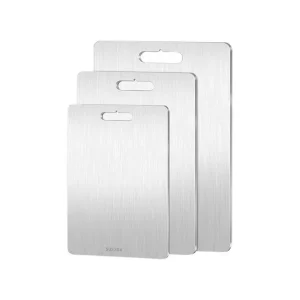
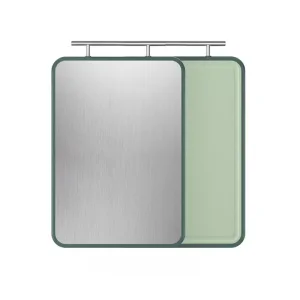
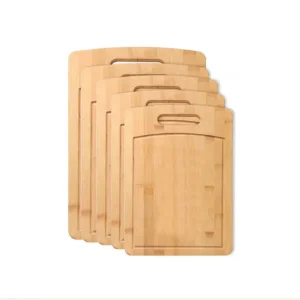
Osaka, historically acclaimed as the "Tenka no Daidokoro" (The Nation's Kitchen), remains the culinary and commercial hub of Western Japan. The Kansai region, anchored by Osaka, is characterized by a dense concentration of high-end hotels, traditional Ryotes, food processing facilities, and a booming central tourism and restaurant sector. In this high-velocity commercial environment, sanitation is not merely a preference; it is a legal and cultural mandate governed strictly by the Japanese Food Sanitation Act.
With Japan's mandatory enforcement of HACCP (Hazard Analysis and Critical Control Point) systems for all food business operators, traditional wood surfaces and aged plastic boards are facing rigorous scrutiny. Osaka's leading hotels, centralized food production lines, and high-frequency restaurant chains are actively migrating to food-grade stainless steel surfaces. SUS304 and SUS316 stainless steel cutting boards have emerged as the absolute gold standard due to their non-porous structure, resistance to deep knife scoring where micro-bacteria typically harbor, and compatibility with heavy chemical sanitizers.
Furthermore, local procurement managers in Osaka place extreme emphasis on the structural thickness, sound-dampening capabilities, and blade-edge preservation characteristics of imported kitchenware. As a key B2B hub, Osaka demands a steady, resilient supply chain capable of delivering customized dimensions that fit specialized prep stations across the city's commercial culinary grid.
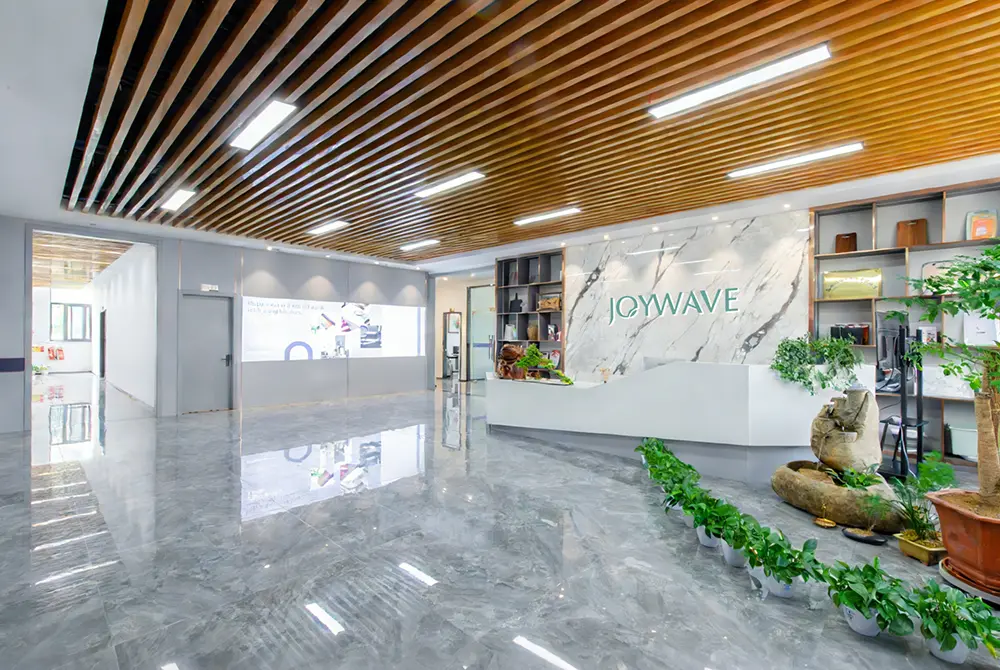
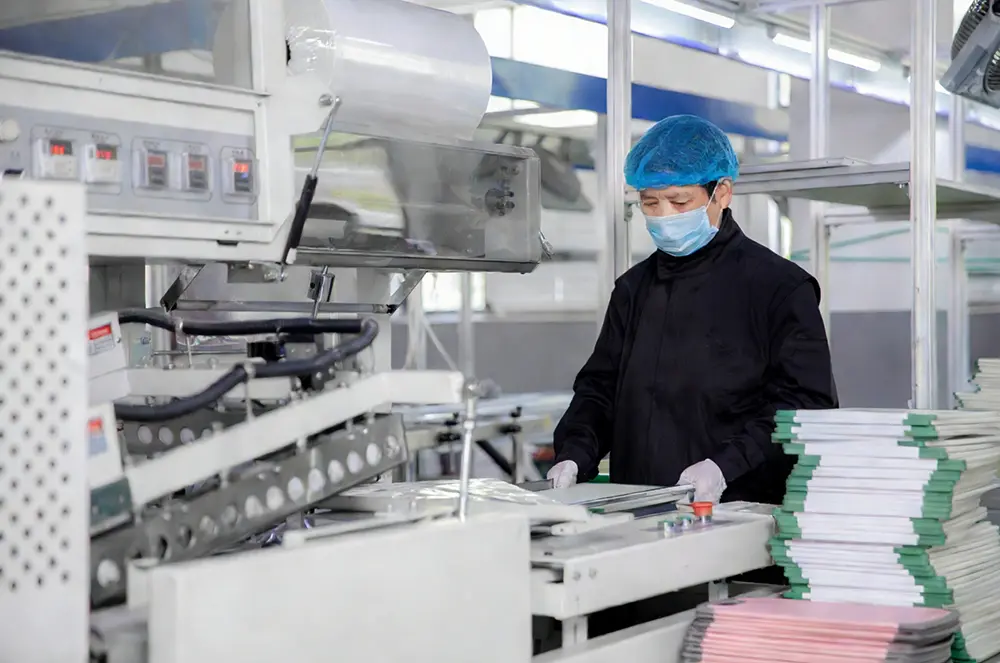
Founded in 2013 and strategically headquartered in the manufacturing hub of Ningbo, China, JOYWAVE has evolved into a premier specialist OEM/ODM manufacturer. We integrate comprehensive in-house industrial design, raw material engineering, tooling development, and automated manufacturing processes to supply leading global retail brands and commercial equipment distributors.
Our foundational expertise lies in the structural combination of multi-material platforms. We develop high-performance cutting boards, cutting mats, and serving trays utilizing advanced Polypropylene (PP), Polyethylene (PE), Bamboo, natural hardwoods, and premium food-grade Stainless Steel. Our extensive retail partnerships include shipping to top-tier international networks such as Walmart, Costco, Macy's, HomeGoods, and Williams Sonoma, establishing our capabilities in regulatory compliance, strict aesthetic detailing, and massive scale optimization.
Our engineering department constantly pushes the boundary of raw material synergy to create prep boards that last longer, protect knife edges, and guarantee sterile surfaces.
Stainless steel boards manufactured by JOYWAVE utilize verified SUS304 austenitic steel, featuring high concentrations of chromium (18%) and nickel (8%). This chemistry forms a self-healing chromium oxide passive film, ensuring unparalleled resistance to organic acids, salt solutions, and chloride cleansers commonly found in Osaka's high-turnover commercial kitchens. The smooth, non-porous face guarantees 99.9% bacterial reduction upon simple rinsing, preventing the cross-contamination of seafood prep.
A common misconception is that stainless steel instantly ruins Japanese carbon steel knives. JOYWAVE addresses this by subjecting our metal sheets to controlled surface brushing and micro-embossing processes. This structural micro-texture dampens the direct impact force of the blade edge, spreading stress across a wider contact patch and minimizing premature dulling of high-value knives. For heavy chopping, our dual-sided composite boards featuring an alternative food-grade PP layer provide the perfect hybrid solution.
To mitigate the characteristic metallic strike sound of metal boards, we have pioneered co-extrusion methods that bond a thin sheet of stainless steel with a high-density, sound-dampening thermoplastic elastomer (TPE) base. This prevents slide action on polished stainless steel prep stations and absorbs operational acoustic waves, producing a quiet, premium feel suited for open-kitchen sushi bars and quiet hotel preparation lines.
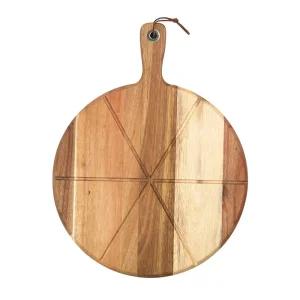
Our production line integrates computer-numerical-control (CNC) laser engraving. This allows us to engrave precise grid patterns, custom sizing rulers, and portion-control guides (such as our acacia wood pizza slicing guides) directly into the materials. These laser lines are burnt clean without chemical inks, ensuring food contact safety is never compromised.
From raw polymers and sheet metal sourcing to final shrink wrapping, every stage is monitored under ISO 9001 protocols to deliver zero-defect culinary tools.
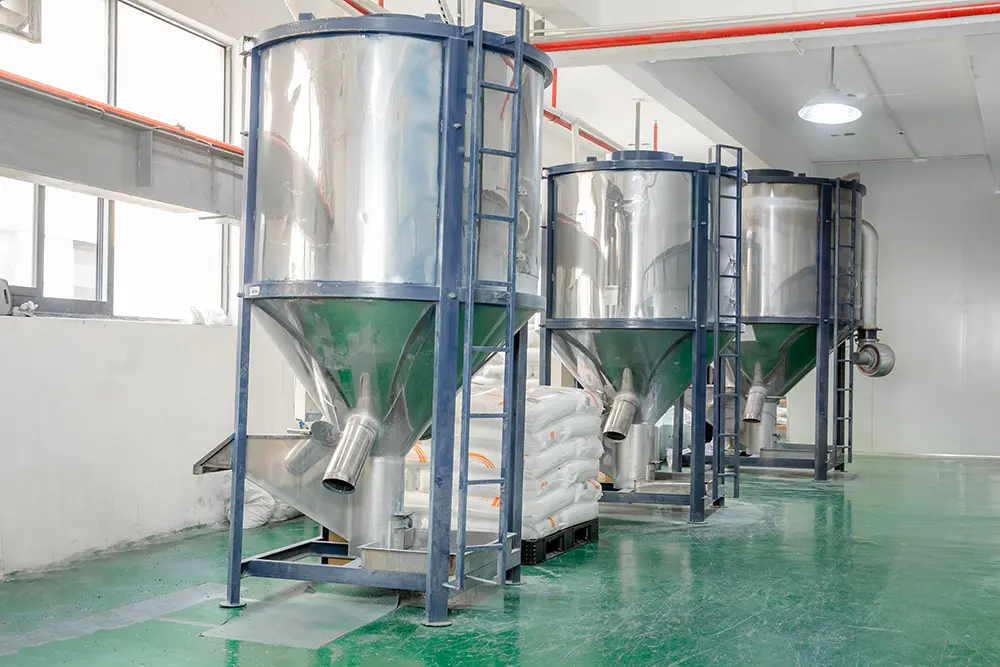
High-purity color pigments, stabilizers, and base polymers are blended homogeneously to match color tolerances.
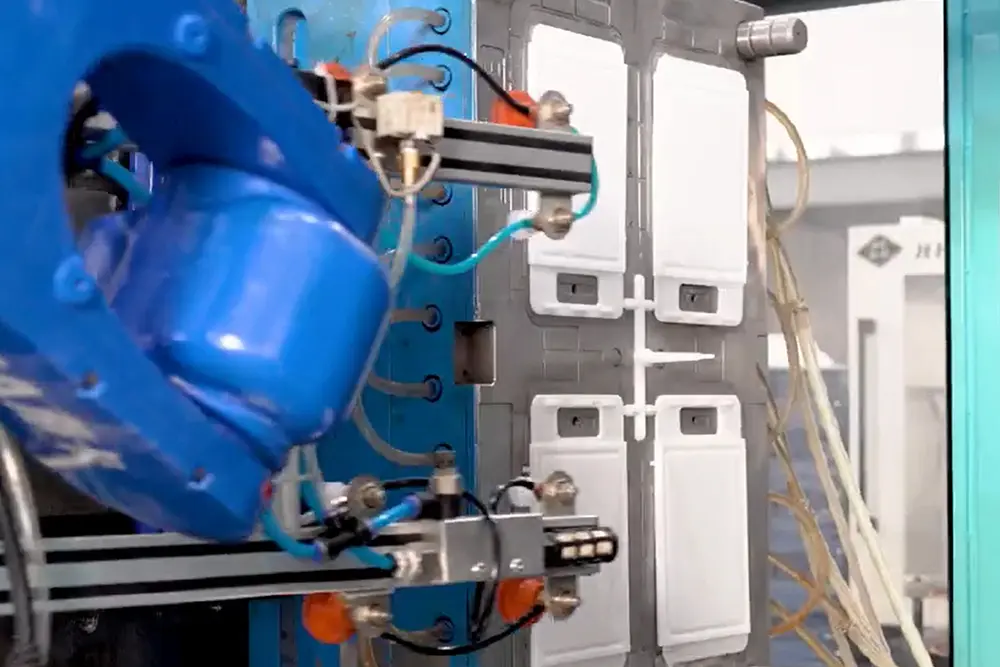
Melted resins are injected into high-tonnage tooling systems to form the structural core of hybrid boards.
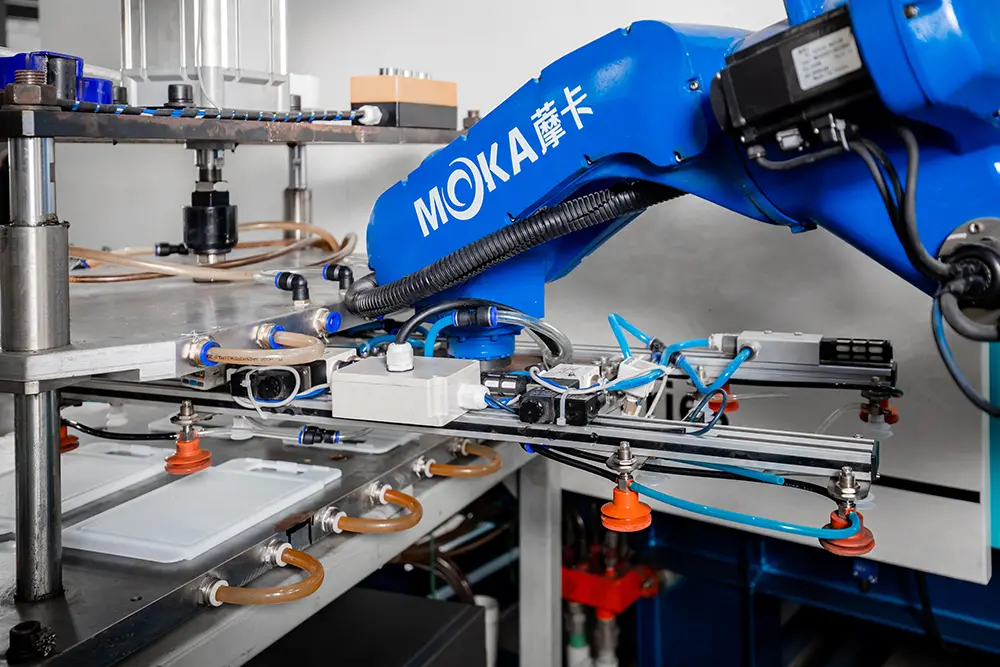
Automated articulation arms extract molded cores with precision, maintaining surface integrity without manual contact.
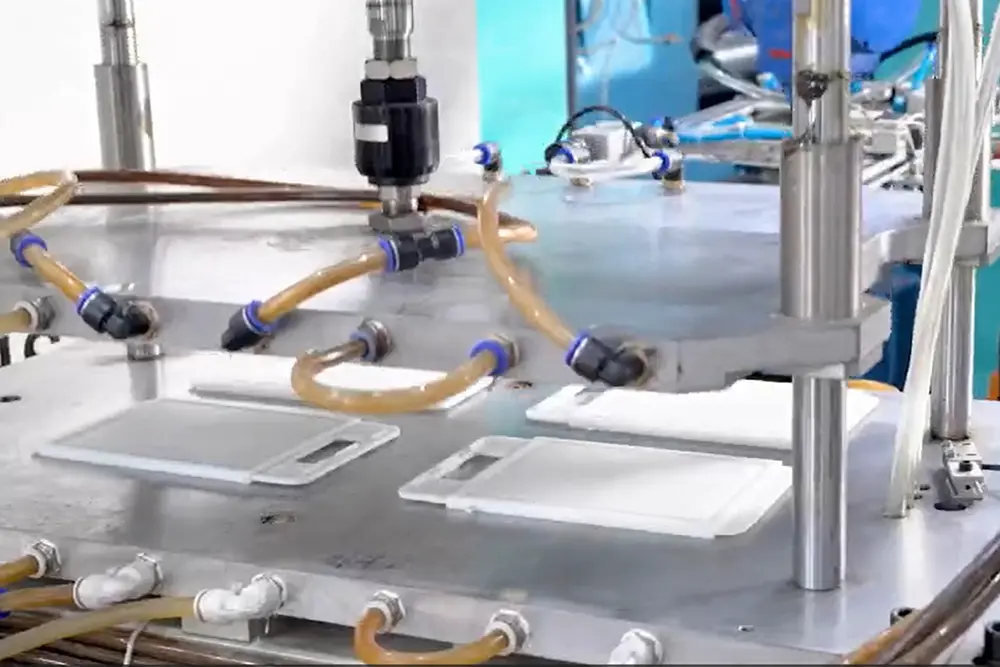
Controlled cooling presses eliminate thermal shrinkage warp, ensuring flat dimensional standards.
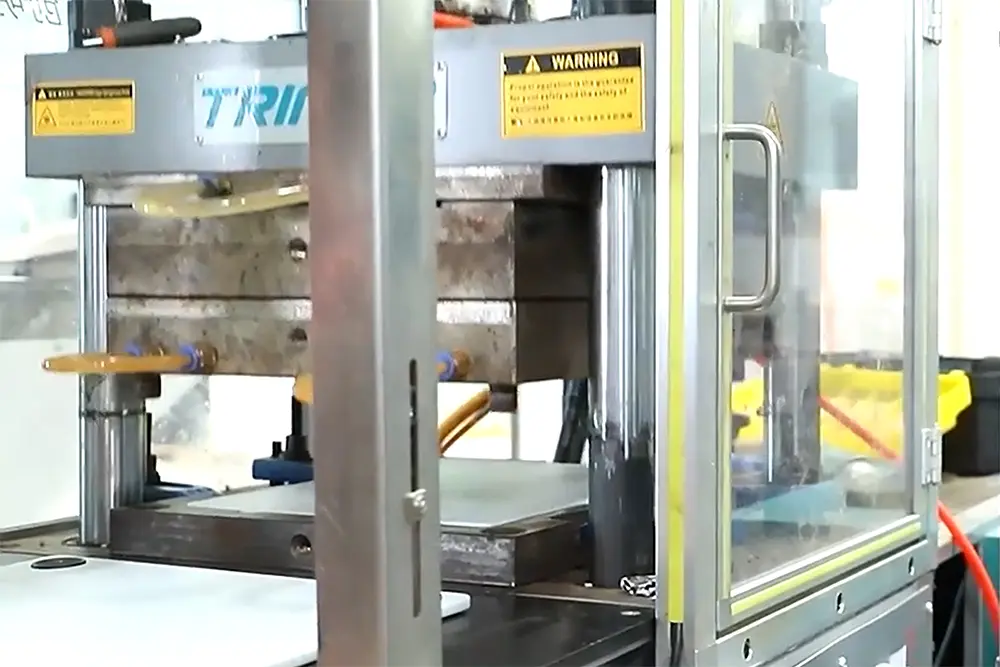
Borders are overmolded with TPE to lock in slip resistance, structural dampening, and safety handle accents.
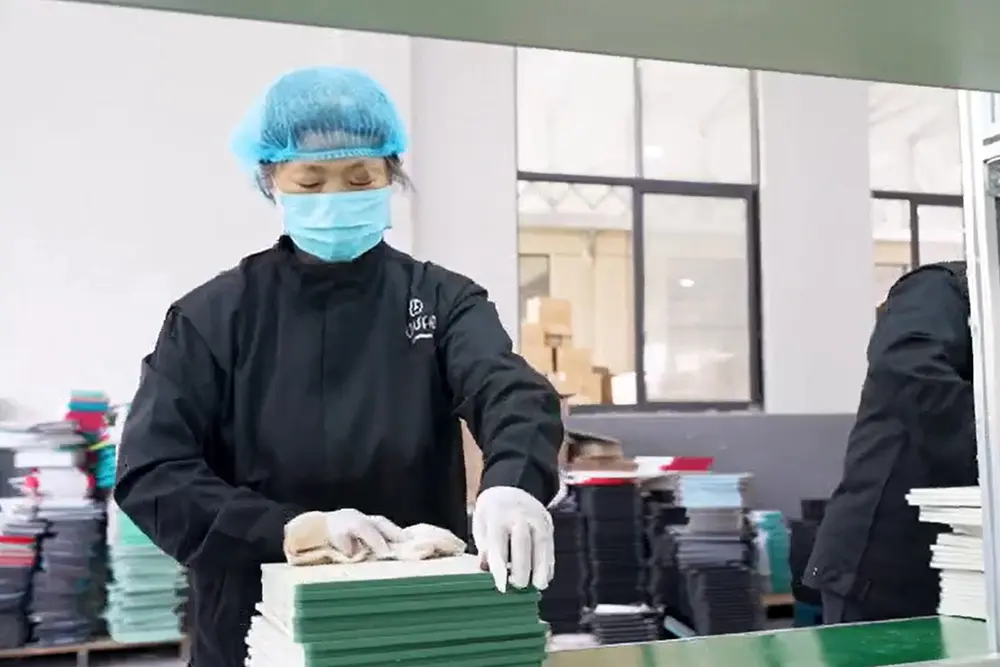
Every unit undergoes strict dust-free cleaning and manual cosmetic inspection under high-lux illumination.
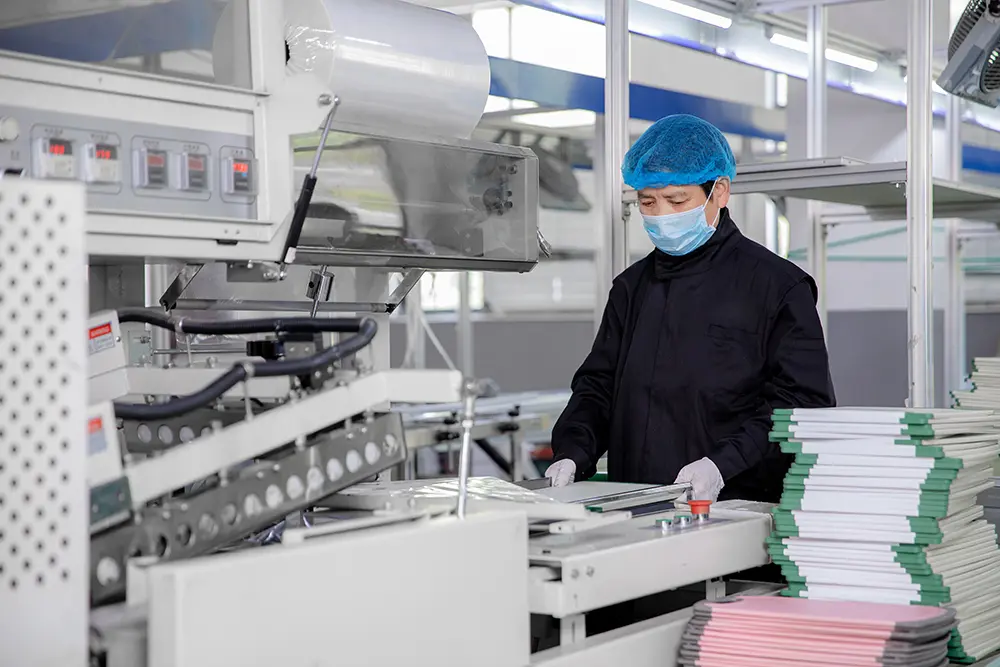
Custom retail labels are aligned, and the product is heat shrink-wrapped to preserve sterilization.
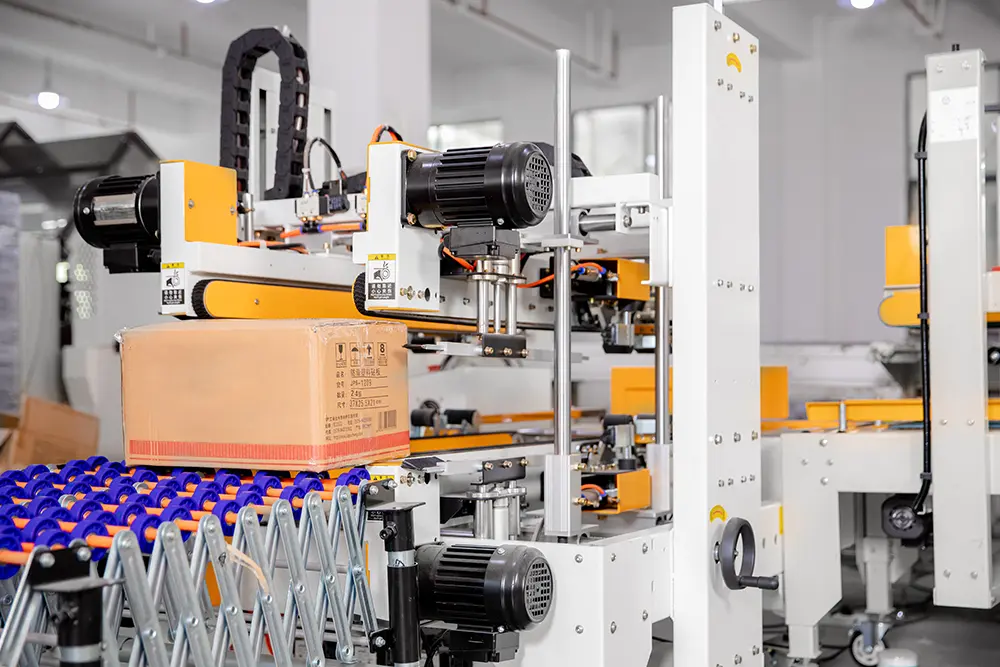
Double-wall corrugated shipping cartons are packed and stored in moisture-controlled warehousing.
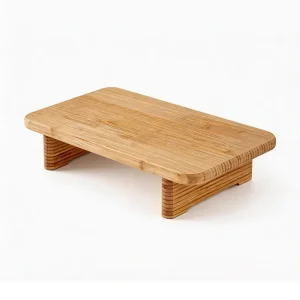
Our primary collection of high-durability boards engineered to meet safety protocols in commercial food prep environments.
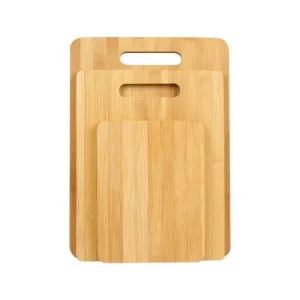
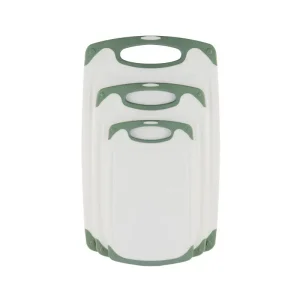
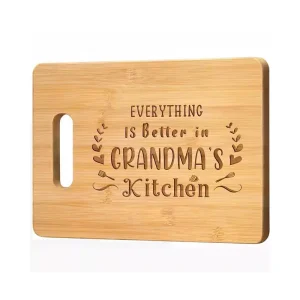
For B2B buyers in Osaka, the geographical closeness of Ningbo Port to the Port of Osaka is a massive structural asset. With shipping times ranging from just 3 to 5 days, Kansai importers benefit from extremely low freight rates and optimal transport speeds that mimic a domestic supply chain with the cost benefits of Chinese manufacturing.
Our factory near Ningbo Port ensures short domestic transit windows, quick export customs clearance, and direct access to major ocean carriers (such as COSCO, SITC, and OOCL) servicing Osaka regularly. We implement Just-In-Time (JIT) scheduling, enabling Osaka distribution hubs to minimize warehousing overheads and buffer stocks while relying on consistent weekly arrivals.
JOYWAVE’s integrated production model ensures rapid tooling turnaround and packaging customization, allowing Osaka companies to launch private-label designs quickly.
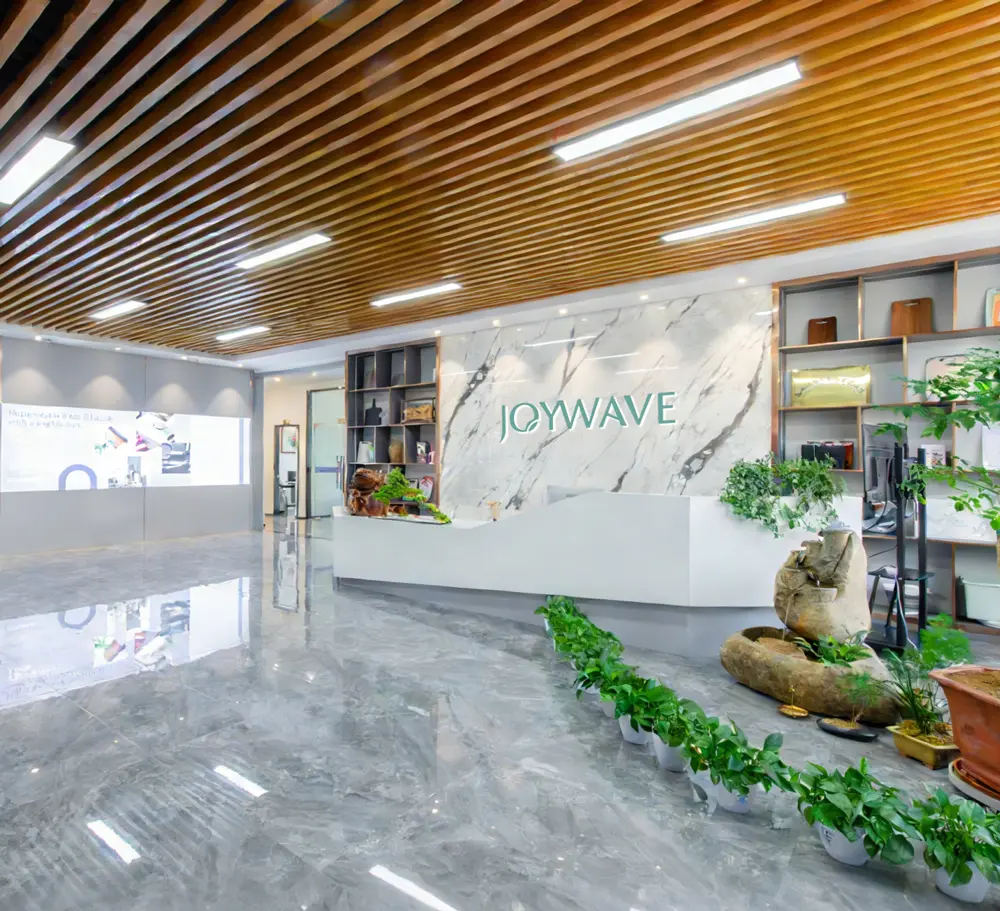
Our eco-friendly and premium wood board collections, ideal for specialized retail environments and high-traffic kitchens in Osaka.
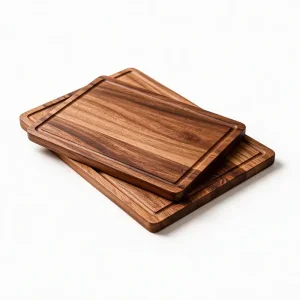
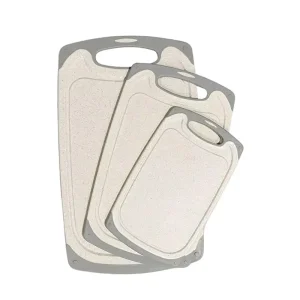
Our products undergo extensive chemical and physical testing protocols to conform with international and Japanese import requirements.
When importing kitchenware into Japan, products must comply with the Japanese Food Sanitation Act (Specification No. 370 of the Ministry of Health, Labour and Welfare). This involves rigorous testing of chemical migration values for lead, antimony, and organic compounds, especially for plastic and composite bases. Our production facilities maintain state-of-the-art laboratory testing equipment ensuring all our shipments conform to:
Full conformance with Japan's Food Sanitation requirements for zero chemical elution.
European and North American standards verifying materials are suitable for contact with food.
Traceable quality management pathways ensuring stability and supply consistency.
By conducting pre-shipment inspections and providing complete certification documents directly to Osaka’s customs brokers, we reduce lead times and guarantee custom clearances without logistical bottlenecks.
Here are clear technical answers regarding metal board specifications, durability, and custom sourcing for Osaka buyers.
 Joywave