Engineered for compliance-conscious EU distributors and retail buyers prioritizing sustainability, hygienic performance, and aesthetic resilience.
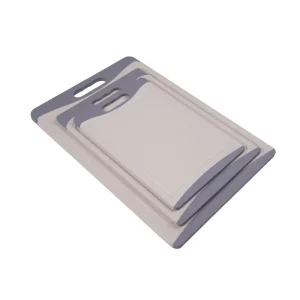
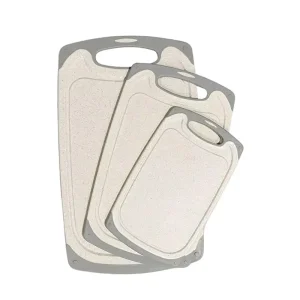
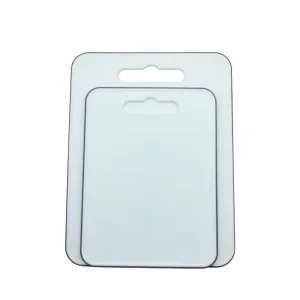
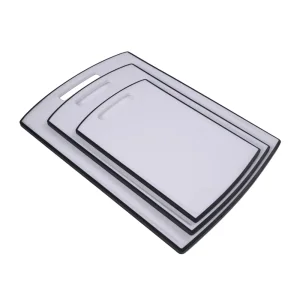
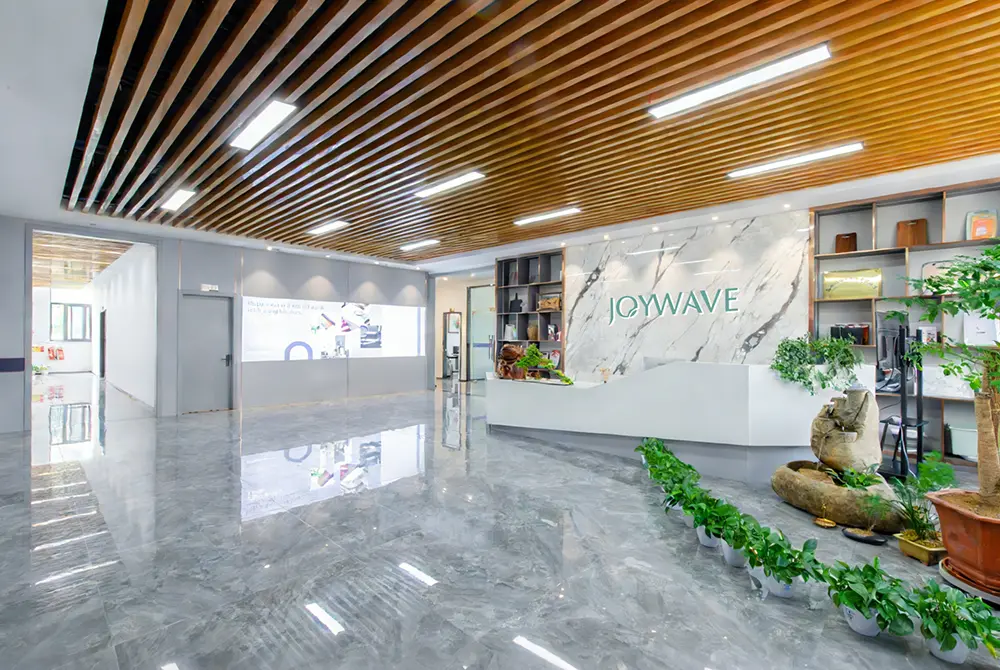
Hamburg, serving as Northern Europe's leading logistics gateway through the Port of Hamburg (Hafen Hamburg), is undergoing a monumental transition toward a circular economy. Guided by Germany's strict Federal Climate Action Act and regional sustainability goals, consumers and commercial buyers in the Hanseatic metropolitan area are rapidly abandoning conventional, petrochemical-based plastics in favor of natural fiber-reinforced composites.
Wheat straw cutting boards represent a highly practical solution in this green transition. By utilizing agricultural residues (wheat straw fibers) blended with food-grade polymers, manufacturers drastically lower the carbon footprint of kitchen prep tools while retaining the high-performance attributes needed in commercial food prep: high impact resistance, knife-friendly density, and complete dishwasher safety. For retail networks, supermarket chains (such as Edeka, Rewe, and Aldi Nord), and catering suppliers across Hamburg, these products bridge the gap between eco-responsibility and competitive consumer pricing.
A decadelong legacy of design innovation, manufacturing precision, and trusted distribution across Europe and North America.
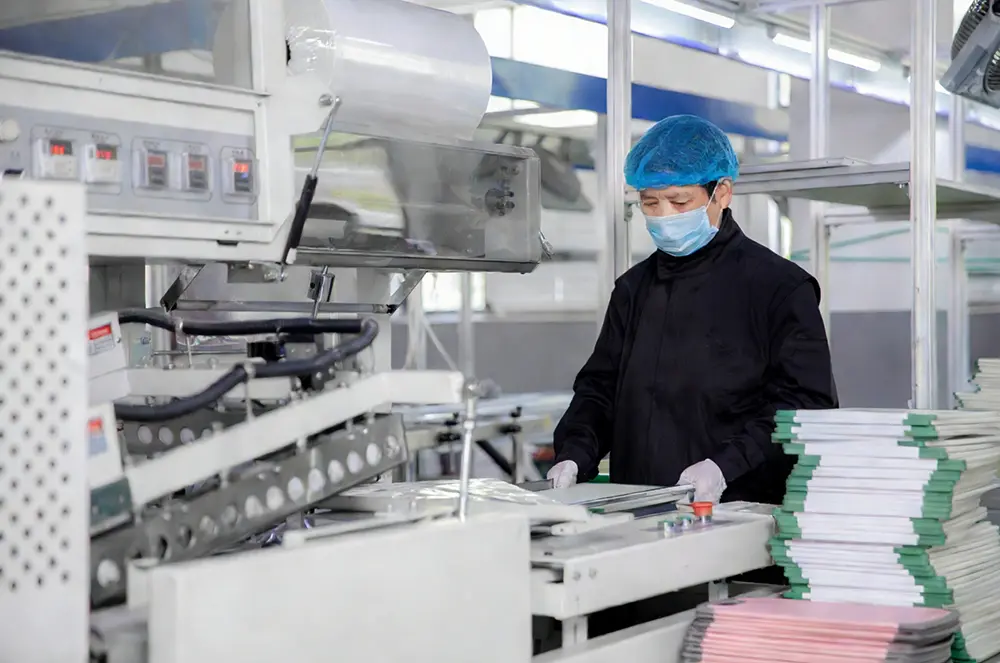
Based in the manufacturing hub of Ningbo, JOYWAVE integrates comprehensive in-house design, development, and manufacturing. Over the past decade, we have built a diverse portfolio optimized for high-volume retailers. Our core manufacturing capabilities focus on cutting boards, cutting mats, and serving trays. We process a wide range of premium materials, including Polypropylene (PP), Polyethylene (PE), Bamboo, natural Acacia Wood, Stainless Steel, and agricultural-waste biocomposites.
We work directly with prominent retail brands and distributors across Europe and North America, including Walmart, Costco, Macy's, HomeGoods, and Williams Sonoma. Our products enter the Hamburg market via direct import or localized distribution networks, consistently meeting the high standards required by German retailers.
How we transform raw agricultural residues and food-grade polymers into durable, high-performance cutting boards.
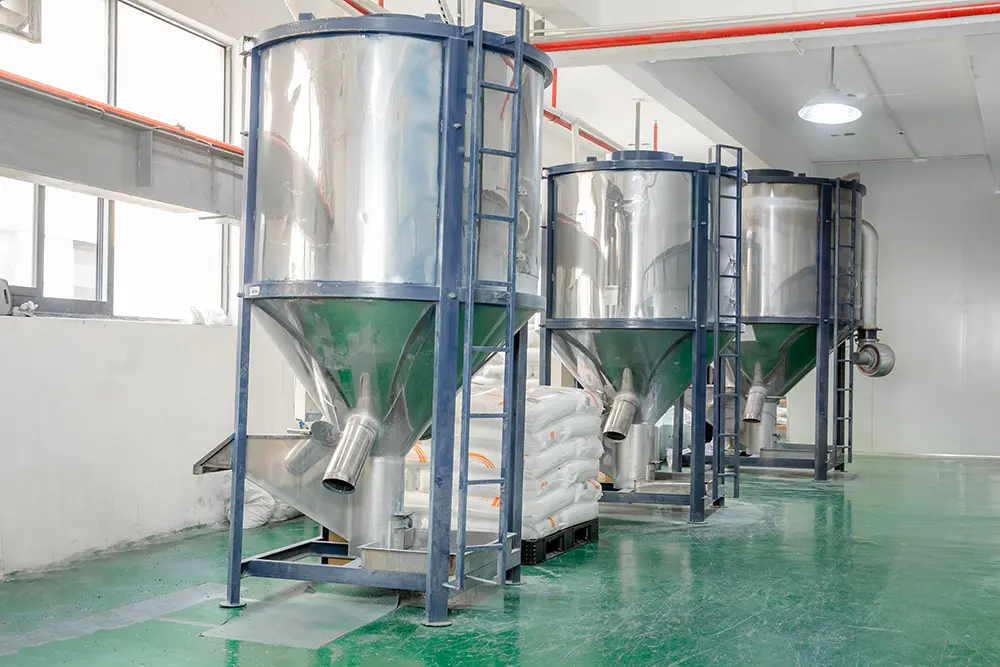
Natural wheat straw fibers, food-grade pigments, and premium PP resins are thoroughly blended in our high-capacity mixers.
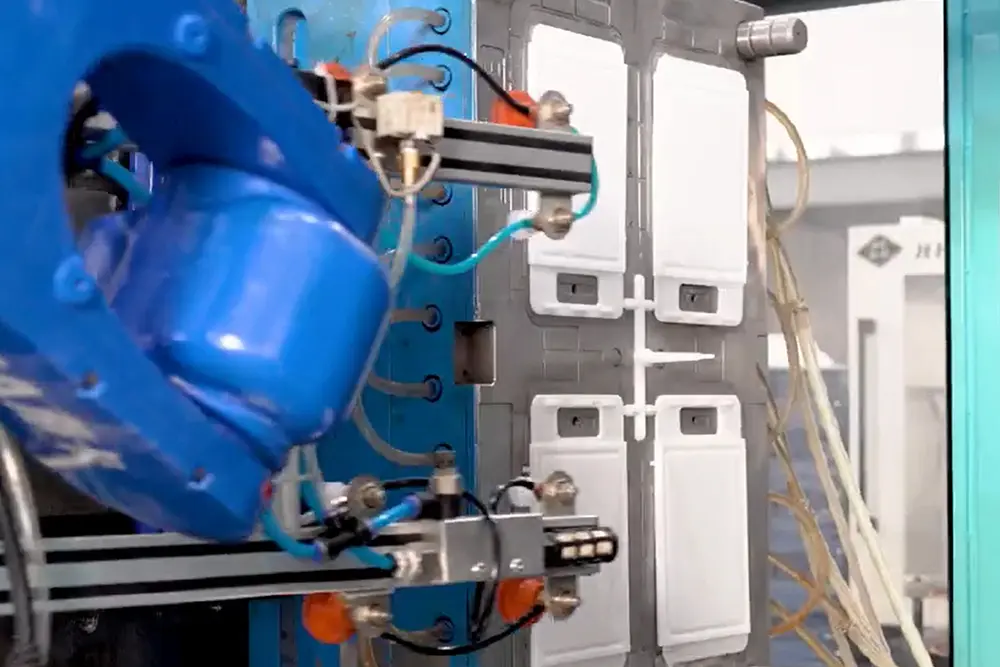
The homogeneous mixture is fed into automated injection molding machines under precise temperature and pressure controls.
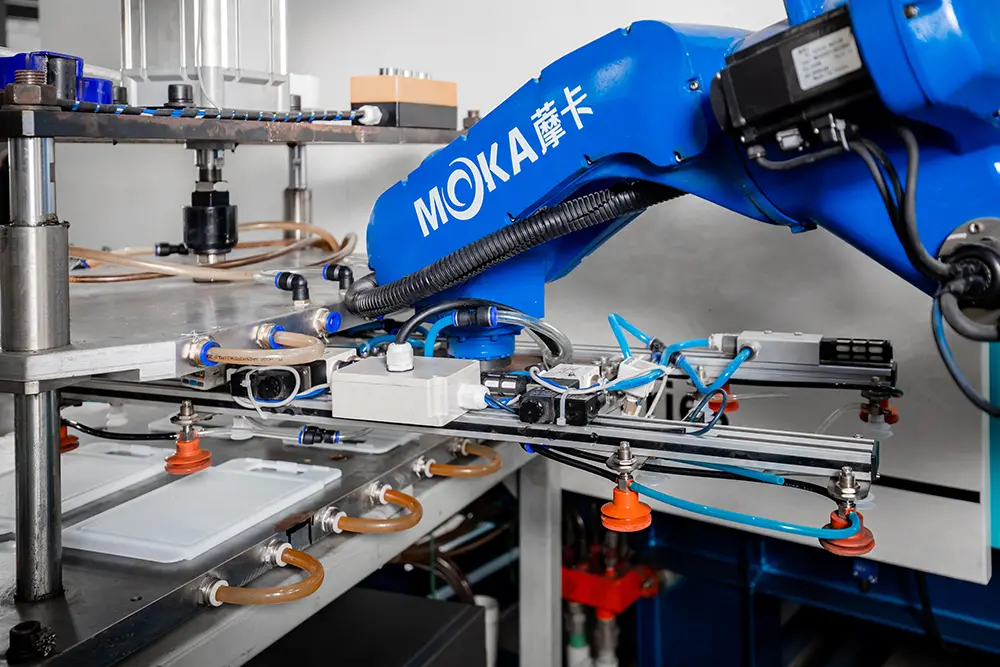
Robotic arms extract the molded boards from the molds, preventing surface damage, and transfer them directly to cooling stations.
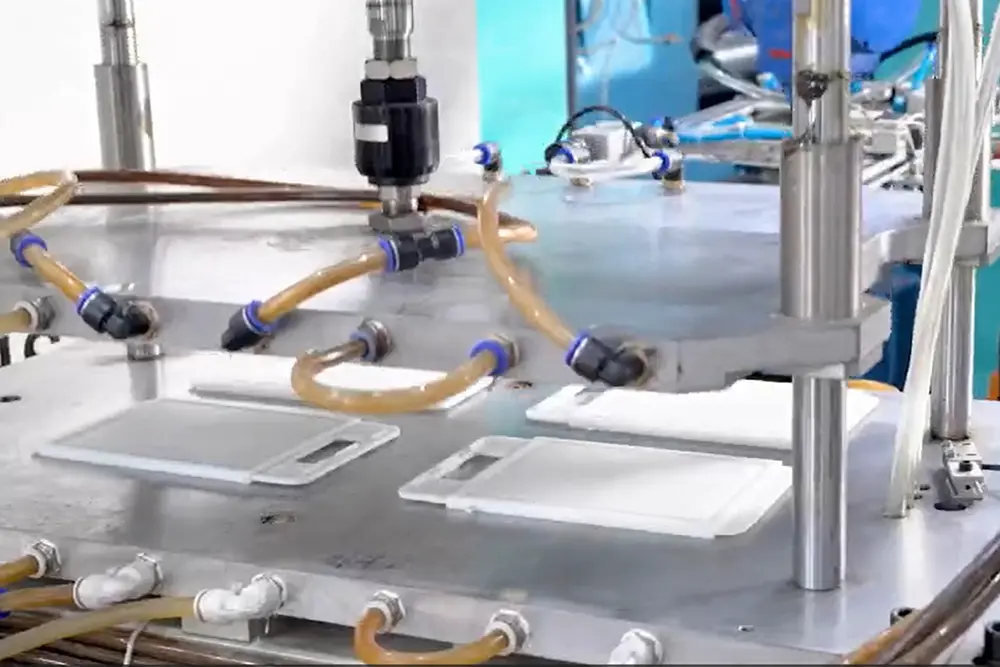
Boards undergo controlled cooling under pressure plate jigs to prevent warping and ensure perfect flatness across the cutting surface.
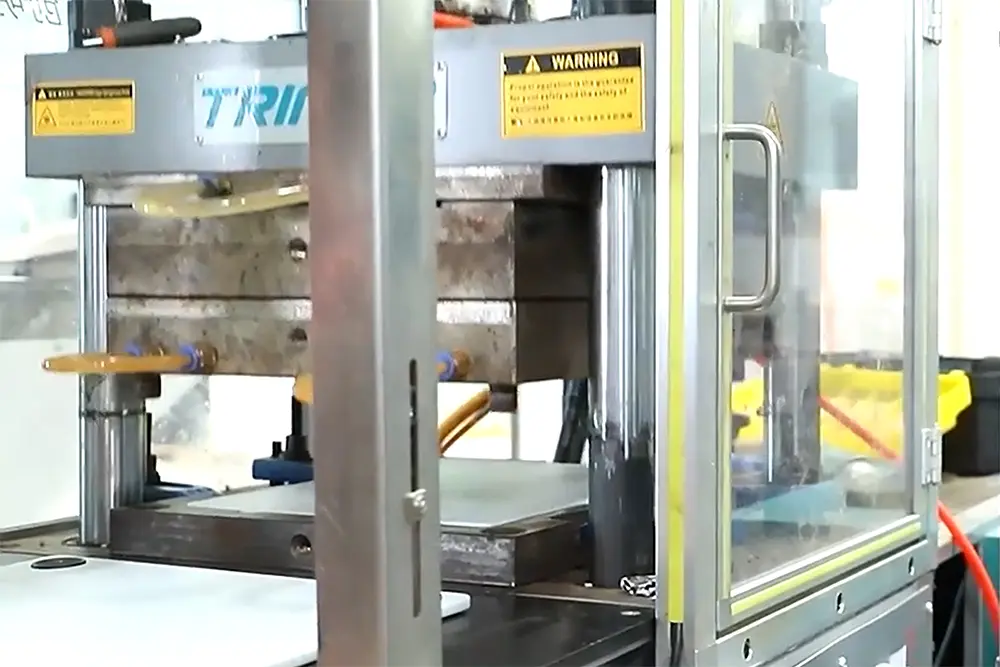
Boards are loaded into secondary molding machines where soft, non-slip Thermoplastic Elastomer (TPE) is fused to the edges.
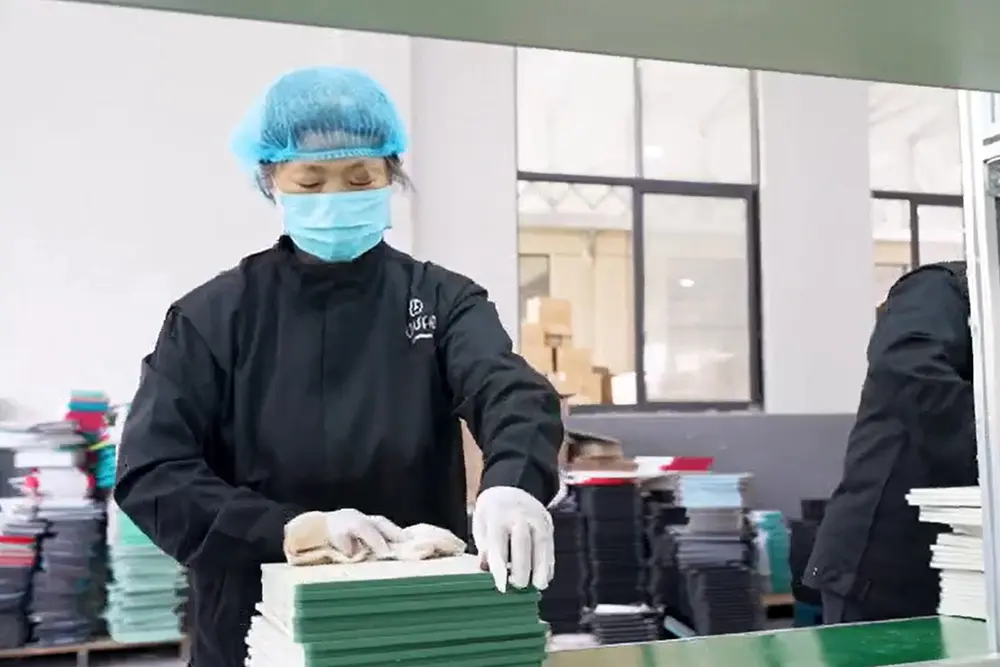
Every board is wiped, trimmed of residual flash, and inspected for cosmetics to ensure it meets our strict brand guidelines.
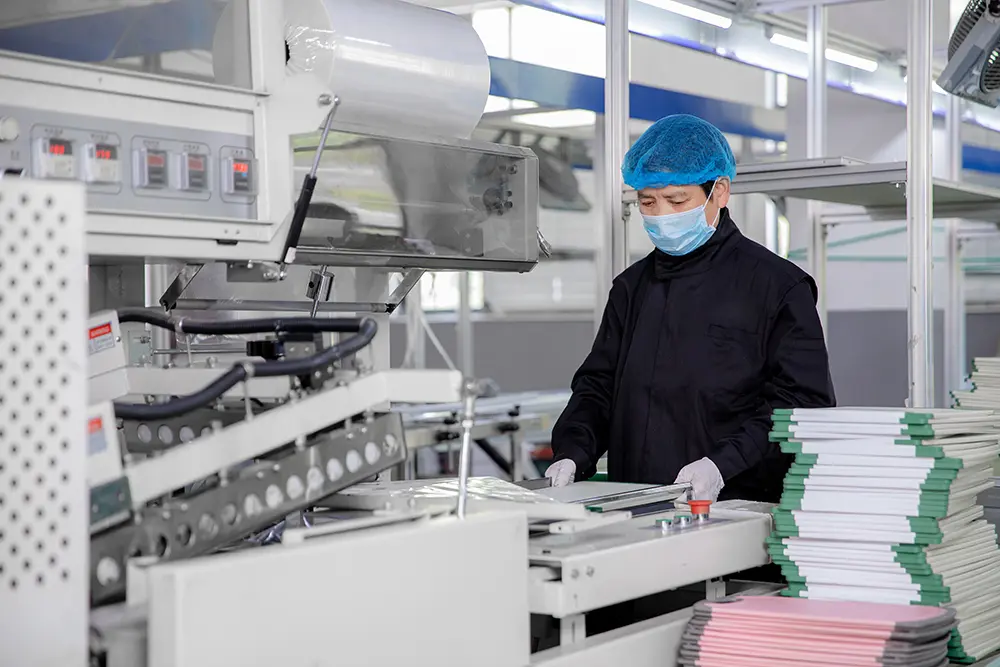
Retail packaging, barcodes, and custom labels are applied before the sets are shrink-wrapped in protective, recyclable poly-film.
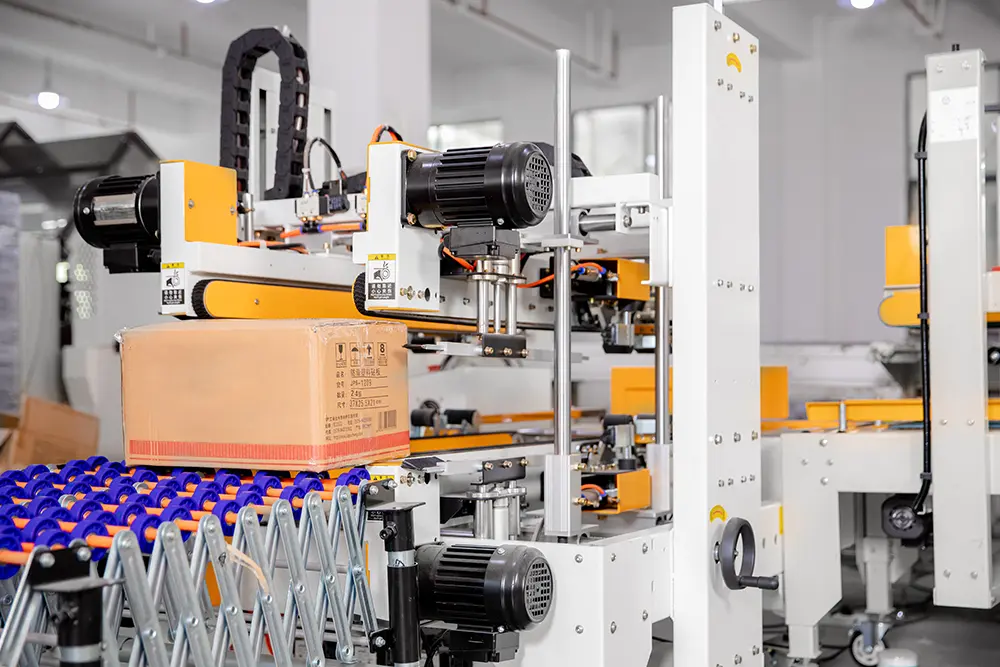
The finished sets are boxed into double-wall corrugated export master cartons, optimized for sea freight pallet configurations.
A comparative performance overview mapping structural integrity, chemical hygiene, and carbon-reduction factors.
| Performance Indicator | Wheat Straw Biocomposite | Virgin Polypropylene (PP) | Natural Hardwood (Acacia/Oak) | Standard Bamboo |
|---|---|---|---|---|
| CO2 Offset Equivalent | Excellent (Up to 35% agricultural replacement) | Baseline (Petrochemical reliant) | Good (Renewable carbon sink) | Good (Fast-growth crop) |
| LFGB Food Safety Compliance | Certified (BPA-free, Heavy metal free) | Certified (Requires strict monomer control) | Requires sealant testing | Often uses formaldehyde adhesives |
| Dishwasher Safety | 100% Dishwasher Safe (Under 90°C) | 100% Dishwasher Safe | Hand wash only (prone to warping) | Hand wash only (prone to splitting) |
| Surface Hardness (Shore D) | 68 - 72 Shore D (Resists deep grooving) | 60 - 65 Shore D | Varies (Prone to knife scarring) | High (Dulls premium kitchen knives) |
| Antibacterial Properties | Naturally dense; resists moisture retention | Porous under wear (harbors bacteria) | Natural tannins (hygienic when dry) | Natural antimicrobial (deteriorates when wet) |
| Tensile Strength (MPa) | 28 - 34 MPa (High flexural modulus) | 22 - 26 MPa | Anisotropic (directionally weak) | High but prone to delamination |
Assuring absolute safety for human health and zero microplastic contamination under European Union Directives.
In the German market, compliance with the Lebensmittel-, Bedarfsgegenstände- und Futtermittelgesetzbuch (LFGB) is mandatory for any product coming into contact with food. Our wheat straw cutting boards undergo strict migration testing (both global and specific migration of plasticizers and monomers) to verify that no hazardous substances transfer to food items. We test using simulant fluids including 3% acetic acid, 10% ethanol, and rectified olive oil, ensuring compliance with EU Regulation 10/2011.
To meet the expectations of modern European consumers, all JOYWAVE products are certified free of Bisphenol A (BPA), Bisphenol S (BPS), and phthalate plasticizers. Our sourcing and production pipelines are documented under REACH (Registration, Evaluation, Authorisation and Restriction of Chemicals) guidelines. We verify the purity of our wheat straw agricultural fibers to guarantee they are free from pesticide and herbicide residues before they enter the processing line.
Explore our complete range of professional prep tools, certified for global export and customizable to meet your brand specifications.
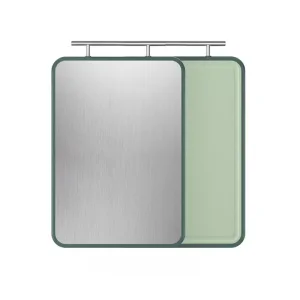
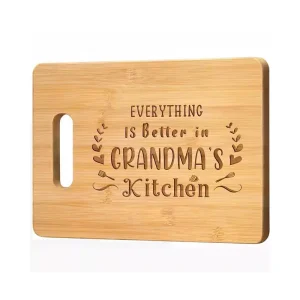
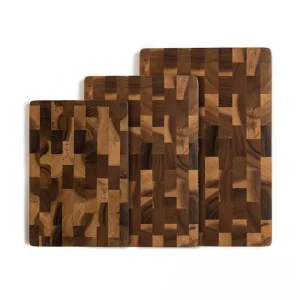
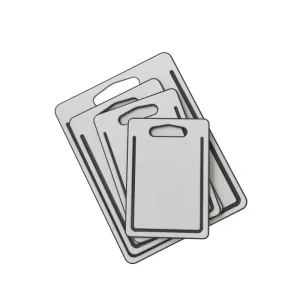
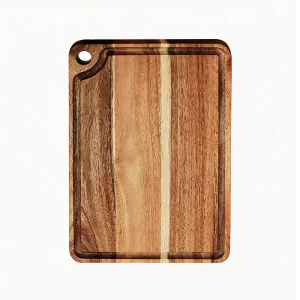
Strategic R&D milestones driving the performance and sustainability of polymer composites.
Repurposing post-harvest wheat straw residues as structural fillers in polypropylene (PP) matrices. This technique reduces synthetic resin consumption by up to 35% and prevents agricultural burning, lowering overall carbon emissions.
Transitioning from petrochemical carriers to Polylactic Acid (PLA) polymers synthesized from corn starch and sugar beet. This process yields a fully bio-based, compostable cutting board that meets industrial biodegradation standards (EN 13432).
Implementing a dedicated take-back program with retail partners to collect worn boards, granulate the material, and reprocess it into commercial dunnage, secondary storage containers, or outdoor goods.
Direct technical answers addressing the concerns of category managers, quality assurance leads, and international logistics directors.
No, commercial wheat straw cutting boards designed for long-term kitchen use are not fully biodegradable in home compost systems. They are structured as a composite of agricultural wheat straw fibers and food-grade polypropylene (PP) to ensure structural stability and dishwasher heat resistance. This hybrid formulation reduces plastic content by up to 35-40% compared to pure plastic boards, significantly lowering the overall environmental footprint.
Our products undergo independent third-party laboratory verification (via SGS/TÜV Rheinland) to comply with German LFGB Article 30 and 31 standards and EU Regulation 10/2011. Testing includes specific migration of volatile substances, heavy metals, and plasticizer chemicals. We provide fully documented test reports for every shipping container clearing customs at the Port of Hamburg.
Yes, JOYWAVE's proprietary processing controls density and tensile properties during molding, making our boards dishwasher safe. They are engineered to withstand wash cycles up to 90°C without warping or experiencing surface degradation. This makes them suitable for high-volume commercial catering and institutional dining services throughout Hamburg.
We provide a range of customization options, including laser engraving for company logos, customized silicone non-slip foot colors, bespoke product shapes, and custom retail packaging (such as recycled cardboard sleeves or bellybands). We also support FSC-certified paper options to align with the requirements of major European retail chains.
Average ocean freight transit time from Ningbo Port (where our factory is based) to the Port of Hamburg is between 28 and 35 days. We coordinate all export documentation, custom clearance paperwork, and palletized container loading, working either with our clients' nominated freight forwarders or our logistics network.
Contact our technical procurement team today to request product samples, receive pricing for the Hamburg market, or discuss custom OEM/ODM solutions.
 Joywave