 Joywave
The Strategic Shift Toward Bio-Composites in Turkey's Kitchenware Sector
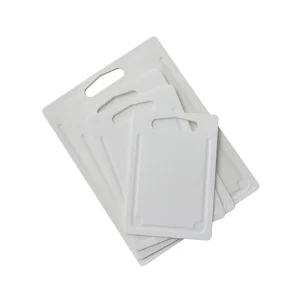
Istanbul sits at the geographic and economic crossroads of Europe, the Middle East, and Central Asia. As environmental legislation tightens across the European Union—historically Turkey’s largest trading partner—and local consumers prioritize circular economy products, Turkey’s kitchenware market is undergoing a rapid evolution. Retailers, hotel chains, and promotional buyers are replacing standard plastics with high-durability, food-safe bio-composites. Chief among these is the wheat straw cutting board.
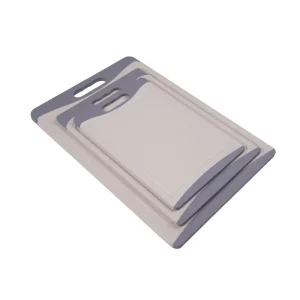
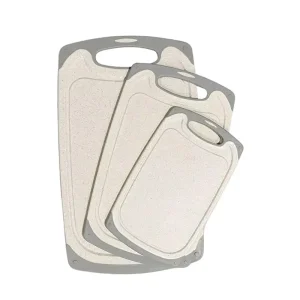
Wheat straw kitchen products represent a masterclass in agricultural circularity. By harvesting post-extraction wheat stalks and combining them with food-grade polypropylene (PP) polymers, manufacturers yield a lightweight, robust, and eco-balanced substrate. This hybrid structure significantly curtails fossil fuel dependence while guaranteeing professional-grade resistance against knife scarring, microbial breeding, and thermal deformation.
For import distributors located in commercial hubs like the *İstoç Trade Center* in Istanbul, securing a resilient supply link with an established Chinese Smart Factory is paramount. This whitepaper analyzes the manufacturing technology, quality standards, supply chain dynamics, and regulatory compliance landscape required to dominate the Turkish eco-kitchenware market.