Select culinary surfaces optimized for local B2B distributors and enterprise supply networks in northern Vietnam.
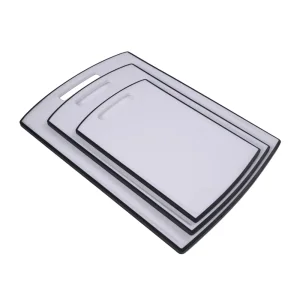
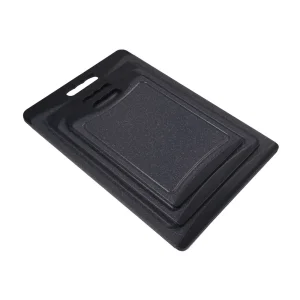
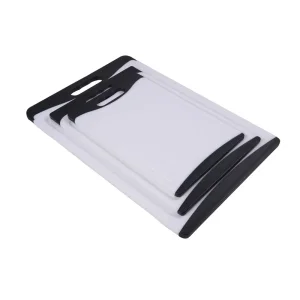
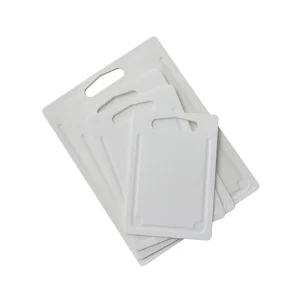
Hanoi, as the capital and primary political-cultural hub of Vietnam, is currently witnessing an unprecedented transition in its consumer goods and commercial kitchenware industries. Guided by the national green economy strategy and Decree No. 08/2022/ND-CP detailed guidelines of the Law on Environmental Protection, municipal authorities and industrial enterprises in Hanoi are heavily promoting plastic reductions and the integration of agricultural residues. This policy shift has driven local food-service providers, major supermarkets (such as WinMart, Lotte Mart, and Aeon Mall), and northern regional hospitality giants to reconsider their equipment sourcing channels.
In Hanoi's sprawling outer zones—including Thang Long Industrial Park, Quang Minh Industrial Zone, and Bac Ninh's neighboring industrial clusters—manufacturing demands for durable, safe polymer components are climbing. However, local supply chains for food-grade, high-durability polymer resins combined with organic fibers have historically faced technical bottlenecks. While wood and bamboo processing clusters in northern Vietnam (like Chuong My or Ha Tay) supply traditional wooden cutting boards, these natural materials are vulnerable to high humidity and tropical fungal growth, causing sanitary concerns in busy commercial kitchens. Consequently, Wheat Straw Polypropylene (PP) composites and professional-grade high-density poly (HDPE) boards have emerged as critical alternatives. Enterprises in Hanoi are increasingly looking to establish strategic B2B sourcing frameworks with global manufacturers capable of navigating strict chemical-compliance standards and high-volume demand.
Hanoi's luxury hospitality complexes in Tay Ho and Hoan Kiem districts demand certified hygienic cutting surfaces that resist micro-scratch bacterial harboring under humid conditions.
Vietnamese retail brands are phasing out single-use and non-recyclable synthetics. Eco-labeled wheat straw cutting board sets are filling the visual marketing and functional niche.
Suburban food packaging hubs in Hung Yen and Bac Ninh rely on heavy-duty, dishwasher-safe polyboards that resist deep knife cuts to avoid contaminating processed items.
As a global pioneer in polymer kitchenware production, JOYWAVE (established in 2013 and operating out of highly integrated Ningbo facilities) provides comprehensive OEM/ODM manufacturing solutions to resolve the structural limitations of local manufacturing. Our foundational framework centers on addressing three macro-industry pain points: surface degradation, structural warping, and chemical safety. Our state-of-the-art injection-molding technology enables us to incorporate agricultural waste—specifically, premium wheat straw residues—into a high-performance Polypropylene base. This process requires precise heat, pressure, and coupling agent management to prevent material embrittlement.
For industrial B2B partners, we offer a dedicated development pipeline starting with CAD modeling, mold simulation, testing prototypes, and ending with fully automated cleanroom production. Our facilities feature advanced robotic-arm extraction systems and secondary TPE (Thermoplastic Elastomer) over-molding. This allows us to manufacture complex double-sided non-slip designs that do not peel off under high thermal stress or intensive chemical washing. By streamlining color compounding, product shaping, and shrink wrapping in one facility, we offer Hanoi commercial partners and global retailers unmatched cost efficiency and consistent quality control.
To guarantee that our wheat straw and poly cutting boards exceed structural performance expectations, our Ningbo factory implements an automated, quality-focused 8-stage manufacturing workflow. This precise process ensures every product exported to Hanoi or Western markets meets strict food-contact safety standards:
Globally, the food preparation surface sector is moving away from low-quality, generic plastics toward high-performance, eco-friendly materials. While North American and Western European markets (where JOYWAVE regularly supplies major chains like Walmart, Costco, Macy's, and Williams Sonoma) focus heavily on certifications like FDA, LFGB, and REACH, emerging East Asian markets are rapidly updating their standards. The Hanoi market sits at a crucial trading point, importing premium materials from manufacturing hubs like Ningbo to feed domestic demand and export finished culinary goods to neighboring ASEAN nations.
As international supply chains shift, Vietnam's position as a regional manufacturing hub increases the local demand for high-standard components. Sourcing from our factory allows Hanoi importers to access advanced polymer technologies without investing in expensive tooling and raw material formulation facilities. Our proximity to the Ningbo-Zhoushan port makes shipping to Haiphong Port fast and cost-effective, offering Vietnamese buyers competitive lead times and reduced cargo overheads compared to domestic options.
In Vietnam's unique culinary environment, cutting boards must withstand conditions that quickly degrade low-quality boards. The Hanoi market features distinct commercial application scenarios:
JOYWAVE provides extensive support for international B2B buyers to ensure smooth imports into Vietnam and local compliance. We assist with all necessary customs documentation, including Certificates of Origin (Form E) to secure preferential tariffs under the ASEAN-China Free Trade Area (ACFTA). Our products are certified by SGS and TÜV for international standards (FDA, EU Food Contact 10/2011, BPA Free), making them ready for local registration with the Vietnam Food Administration (VFA).
Our R&D roadmap focuses on pushing the boundaries of green polymer technology. Our engineering teams are currently developing several key innovations:
Fully Biodegradable Matrices: Integrating PLA (polylactic acid) with natural straw fibers to create a fully compostable commercial board.
Anti-Microbial Surfaces: Testing organic, silver-free antimicrobial additives to protect board surfaces throughout their operational life.
Post-Consumer Recycling: Designing closed-loop buyback programs to recycle worn industrial boards into secondary logistic pallets.
Find immediate answers to technical questions about materials, safety compliance, and logistics.
Our boards are made from approximately 70-75% food-grade virgin Polypropylene (PP) and 25-30% organic wheat straw biomass fibers. We use a small amount of non-toxic coupling agent to ensure the natural fibers bond securely with the polymer, preventing chipping and ensuring a smooth, hygienic surface.
Unlike wood or bamboo, which can splinter and dull knives over time, our wheat straw PP composite is soft enough to protect knife edges while remaining dense enough to resist deep scoring. This balance prevents deep grooves where food particles and bacteria can accumulate.
Yes. Our specialized formulation and flattening process prevent warping at high temperatures. The boards are tested to withstand commercial dishwashing cycles up to 120°C (248°F) without bending or losing structural integrity.
Our standard MOQ for custom colors, sizes, or custom branding is typically 2,000 sets. We also offer flexible MOQ options for trial orders using our standard stock colors. Please contact our sales team to discuss your specific requirements.
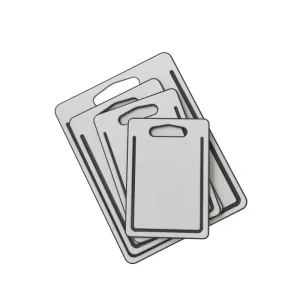
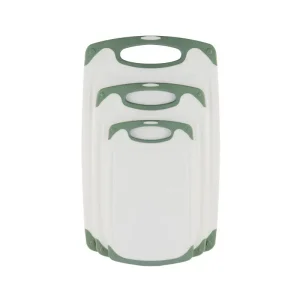
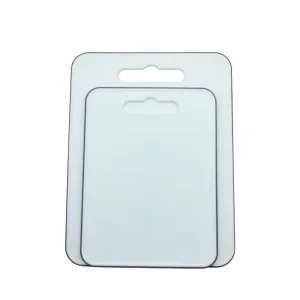
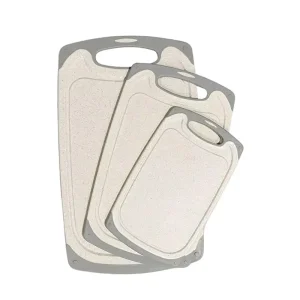
Explore our complete range of certified kitchen prep surfaces, including high-durability polymers and sustainable options.
 Joywave