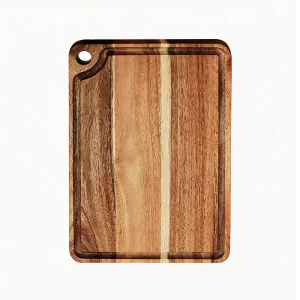
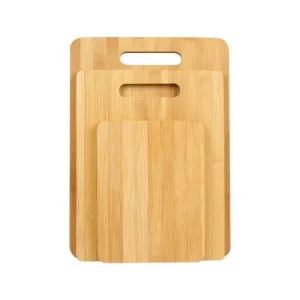
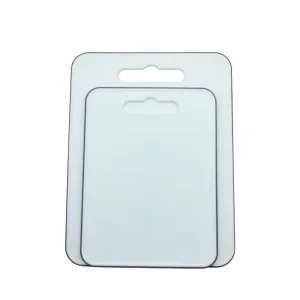
Premium performance boards built to withstand structural moisture stress and intensive daily usage.
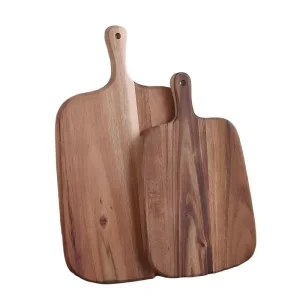
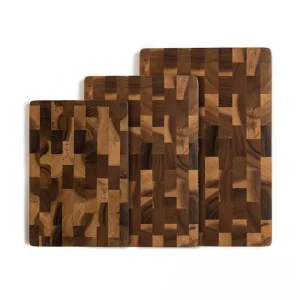
Nigeria's commercial culinary sector is undergoing rapid expansion. Driven by urbanization in major hubs like Lagos, Abuja, Kano, and Port Harcourt, the demand for durable food preparation equipment has scaled dramatically. In Nigerian industrial settings, commercial hotels, and households, cutting boards must endure heavy-duty usage patterns. Local culinary preparation frequently features dense tubers (yam, cassava) and bone-in meats (goat, beef, bushmeat), which degrade standard density timber and plastic boards rapidly.
Furthermore, Nigeria's tropical climate presents severe humidity shifts, alternating between dry Saharan Harmattan winds and heavy Atlantic rainy seasons. Cheap, poorly processed wooden cutting boards warp, split, and grow mold rapidly under these environmental conditions. As a leading manufacturer, we address these physical challenges by providing kiln-dried timber and multi-layered high-density polymer matrices that ensure maximum structural stability and bacterial resistance.
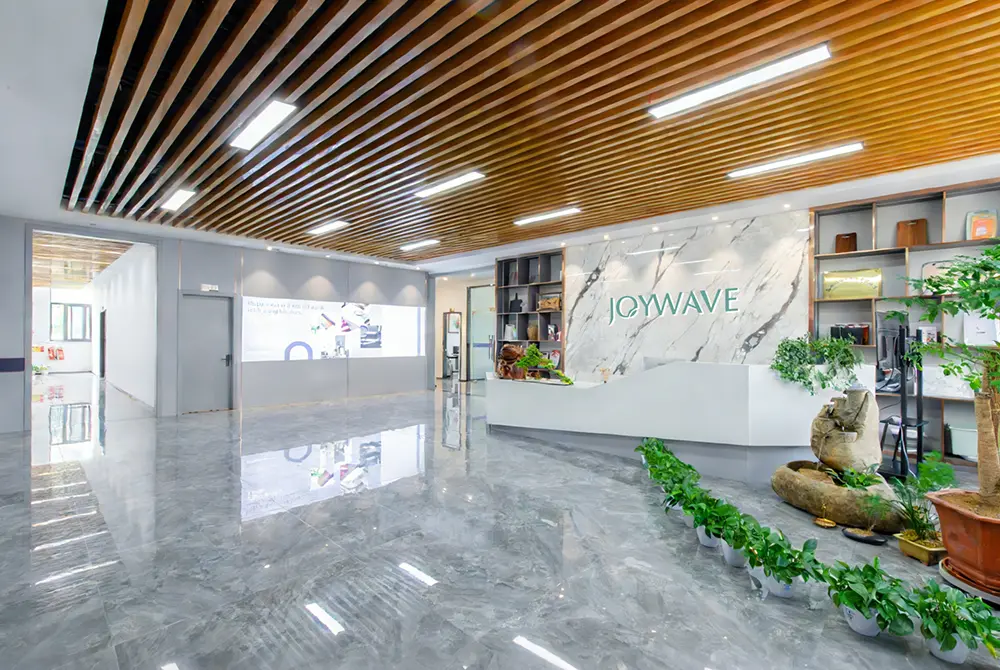
Founded in 2013 in the port city of Ningbo, China, JOYWAVE has spent over a decade establishing itself as a premier OEM/ODM manufacturer specializing in high-performance kitchenware. We operate on a vertical integration model—controlling design, raw material sourcing, mold engineering, and state-of-the-art production. This control enables us to deliver unmatched consistency for high-volume retailers and wholesale distributors worldwide.
Our manufacturing systems conform strictly to international food-contact safety standards. We proudly serve as an official supply partner for leading global retail giants and premium kitchenware brands including Walmart, Costco, Macy's, HomeGoods, and Williams Sonoma. For the Nigerian market, we bridge the gap between world-class manufacturing quality and local volume economics.
How JOYWAVE wood and composite cutting boards are engineered to solve specific use-cases in Nigeria's commercial and domestic kitchens.
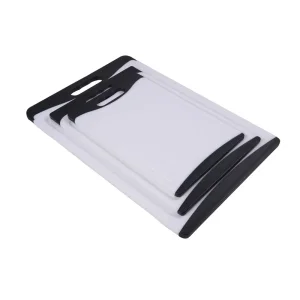
Traditional Nigerian meat cuts require heavy cleaver work. Our heavy end-grain butcher blocks and high-density polymer boards are engineered with fiber structures that absorb impacts without chipping, cracking, or dulling knives.
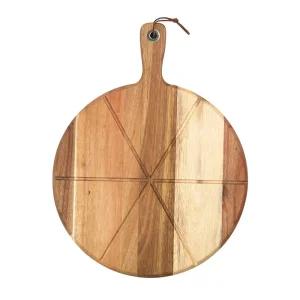
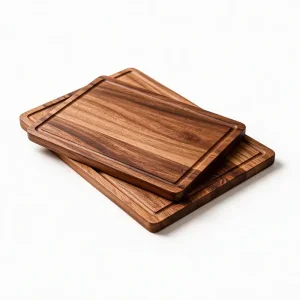
Luxury hotels and modern fusion restaurants in Lagos Island and Abuja demand elegant, hygienic presentation. Our premium Acacia serving paddles and Walnut charcuterie boards combine functional prep strength with aesthetic display value.
Equipped with specialized wood sealing and kiln-drying technology to ensure that moisture content remains between 8-12%, protecting the boards from warping or mold during Nigeria's long coastal rainy seasons.
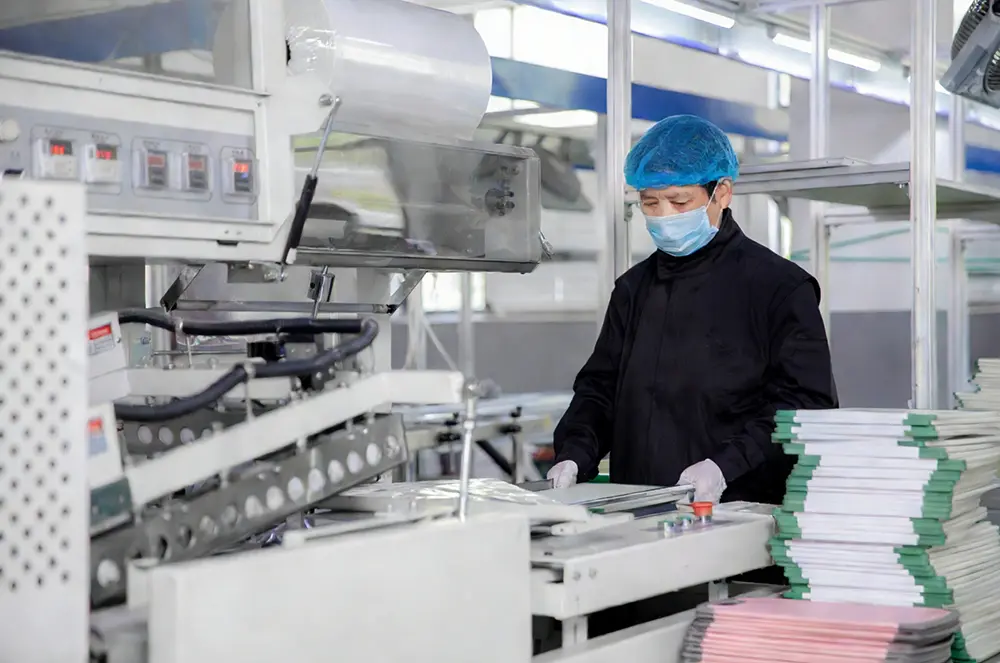
Our rigorous 8-stage manufacturing process ensures structural durability, hygiene optimization, and consistent batch quality.
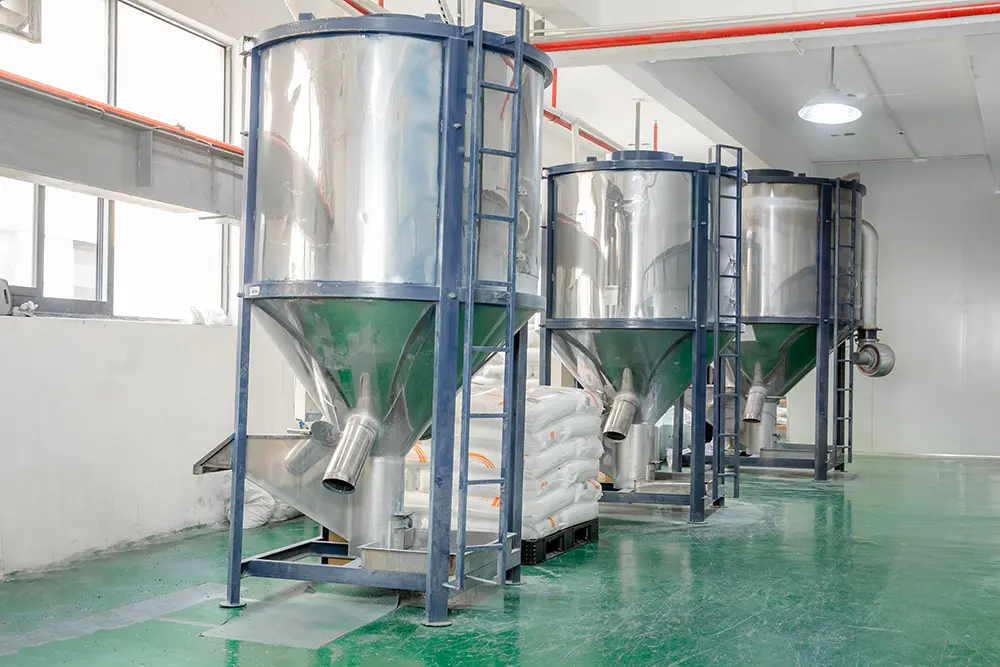
Pure timber wood panels or high-grade polymer/wheat straw compounds are selected and mixed for consistent density.

High pressure injection molding or precision CNC routing shapes the boards to exact dimensional tolerances.
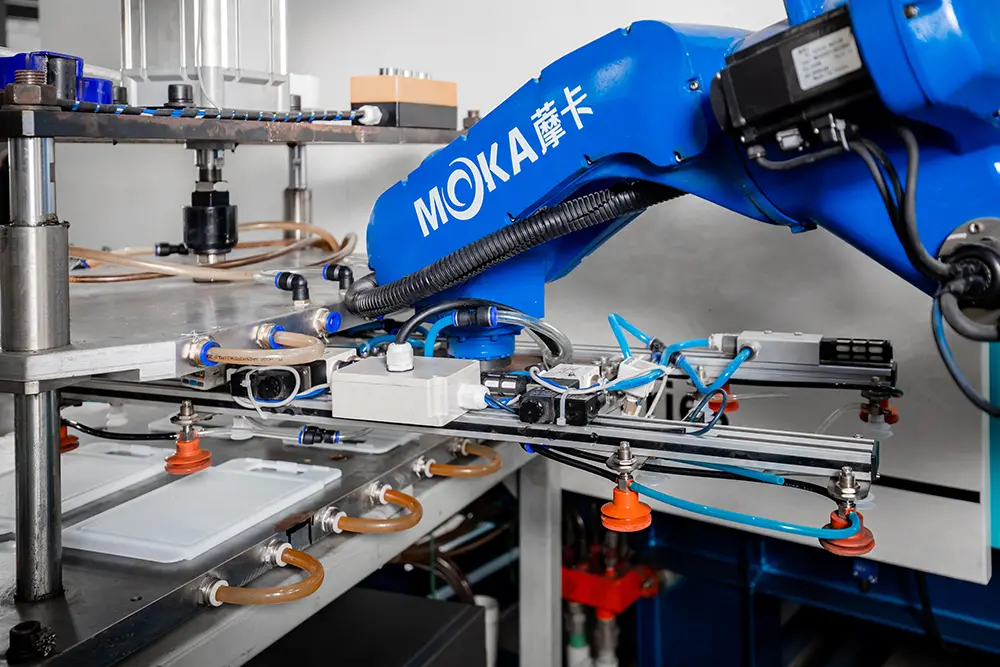
Automated robotic arms safely extract shaped boards, avoiding manual handling to maintain sterile food safety standards.
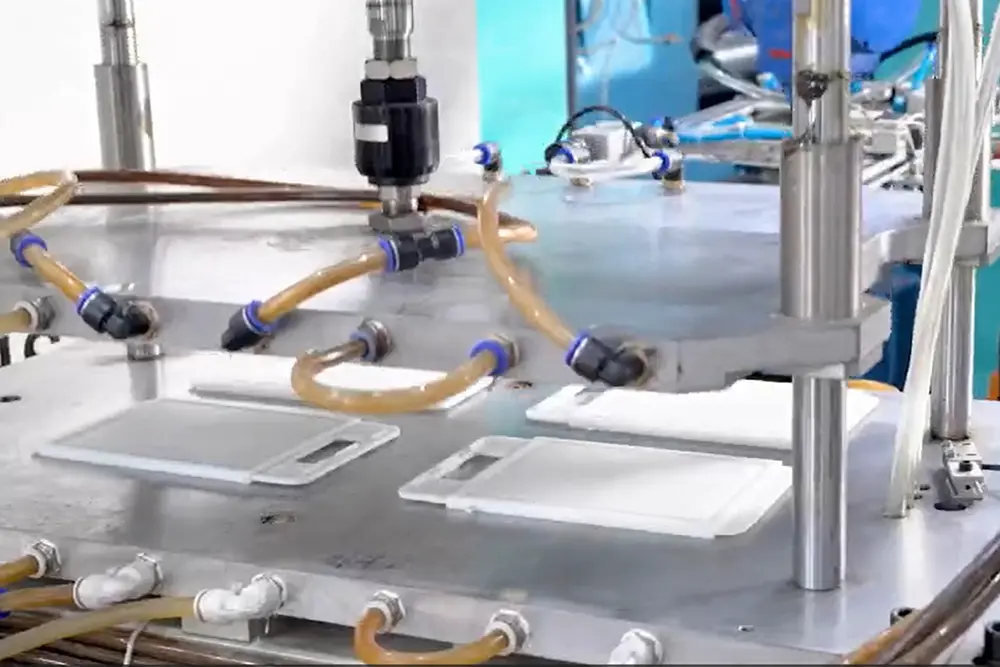
Materials undergo a controlled cooling cycle to eliminate internal structural stresses, preventing warping over time.
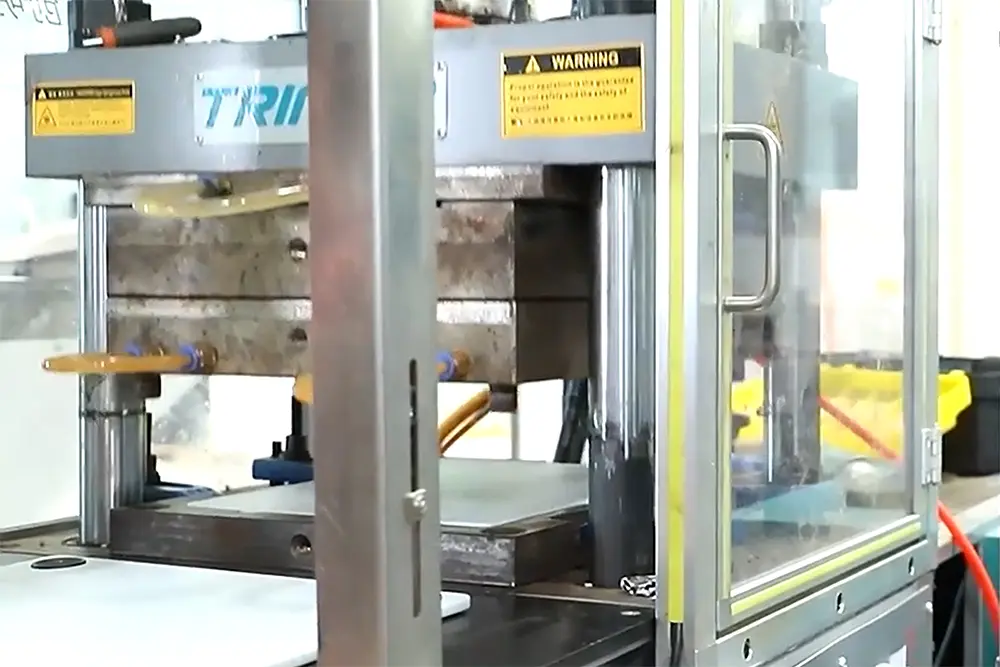
Secondary over-molding or wood-sanding finishes the board edges with non-slip grips and juice grooves.
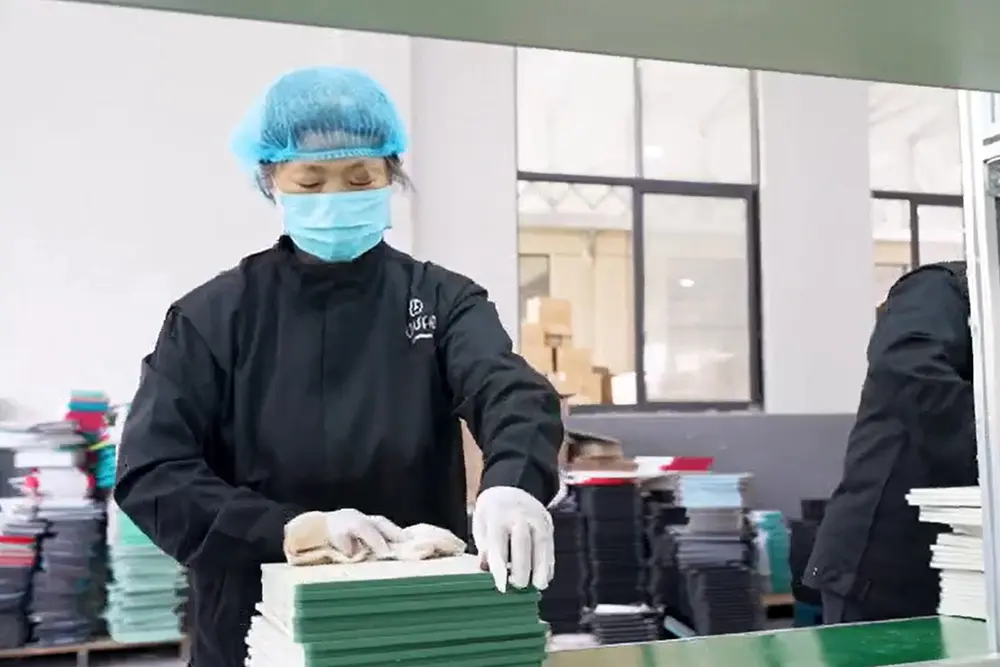
Every cutting board is subjected to a deep cleaning stage to clear dust, synthetic particles, or timber residues.
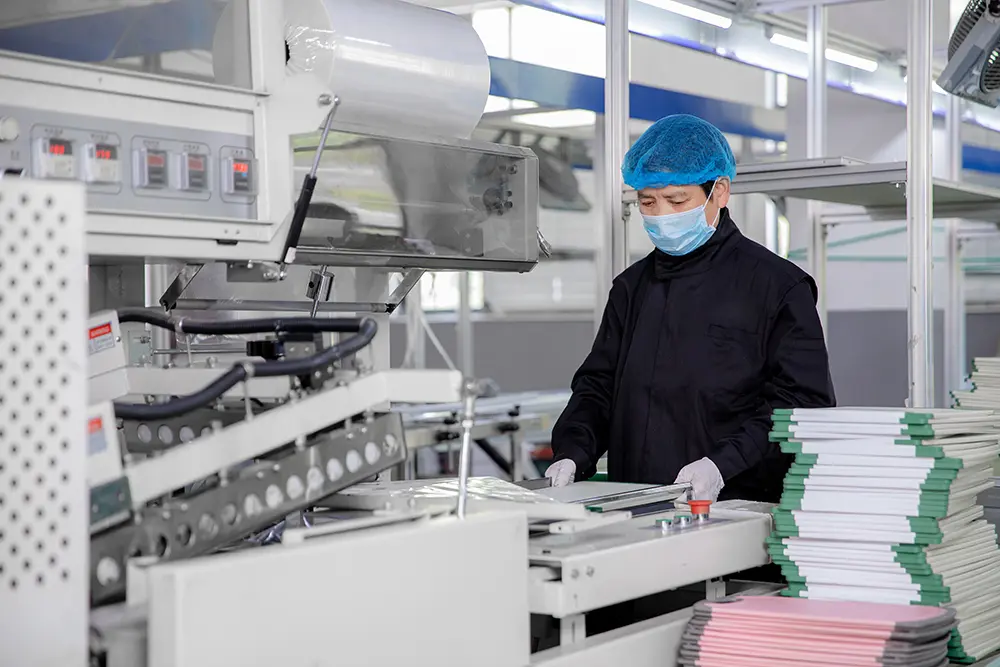
Bespoke packaging, retail labels, and heat shrink-wrapping preserve the board's optimal moisture level.
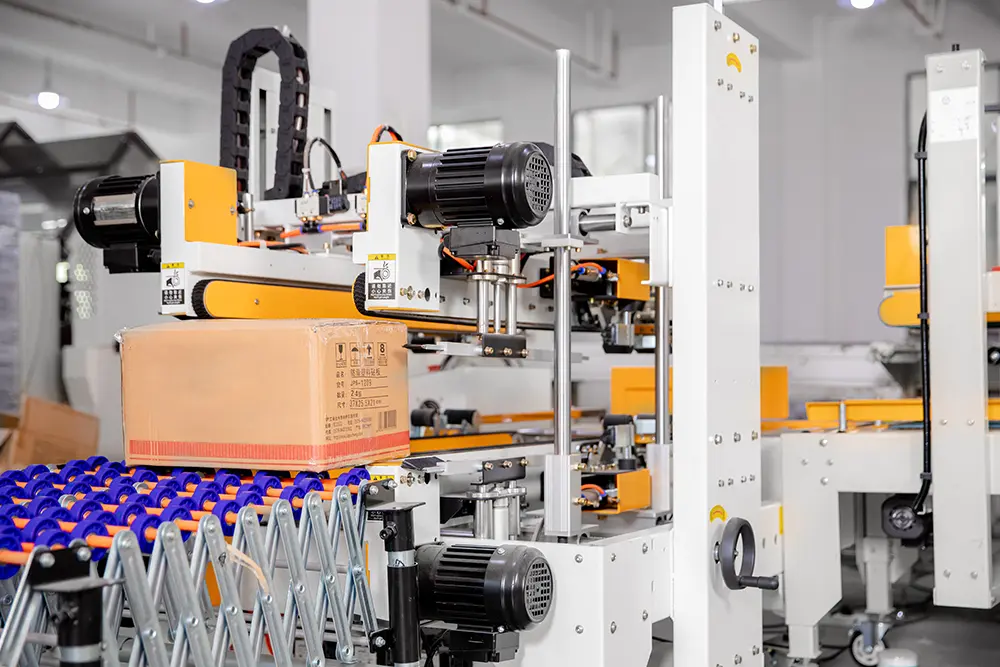
The finalized batches are stored in heavy corrugated carton boxes ready for sea freight logistics to Nigeria.
Driving innovations in green materials and anti-bacterial surfaces for the African continent.
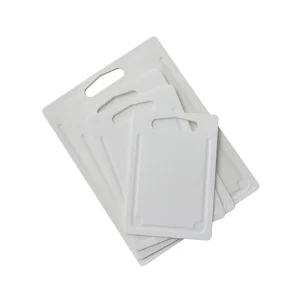
Blending organic wheat straw fibers with food-grade polypropylene reduces plastic reliance by up to 40% while preserving a lightweight, warp-free cutting deck. Excellent for eco-conscious urban consumers in Nigeria.
Integrating chemical-free antimicrobial agents directly into our materials prevents colonization by E.coli, mold, and odor-causing bacteria—crucial for commercial kitchens operating in tropical heat.
Applying precise thermodynamic schedules to draw moisture out of heavy timber cells, ensuring stability down to dry Harmattan periods without cracking the wood grains.
As a seasoned exporter, JOYWAVE streamlines the entire logistics process. Operating from our manufacturing base in Ningbo, we utilize proximity to the Ningbo-Zhoushan Port—the world's busiest cargo hub—to offer faster dispatch times, competitive ocean rates, and secure shipping configurations.
We understand the regulatory requirements of importing to Nigeria, including the Standards Organisation of Nigeria Conformity Assessment Programme (SONCAP). We provide full documentation support—Product Certificate (PC) and SONCAP Certificate (SC)—to ensure smooth customs clearance through Apapa and Tin Can ports in Lagos, minimizing demurrage charges and logistical friction.
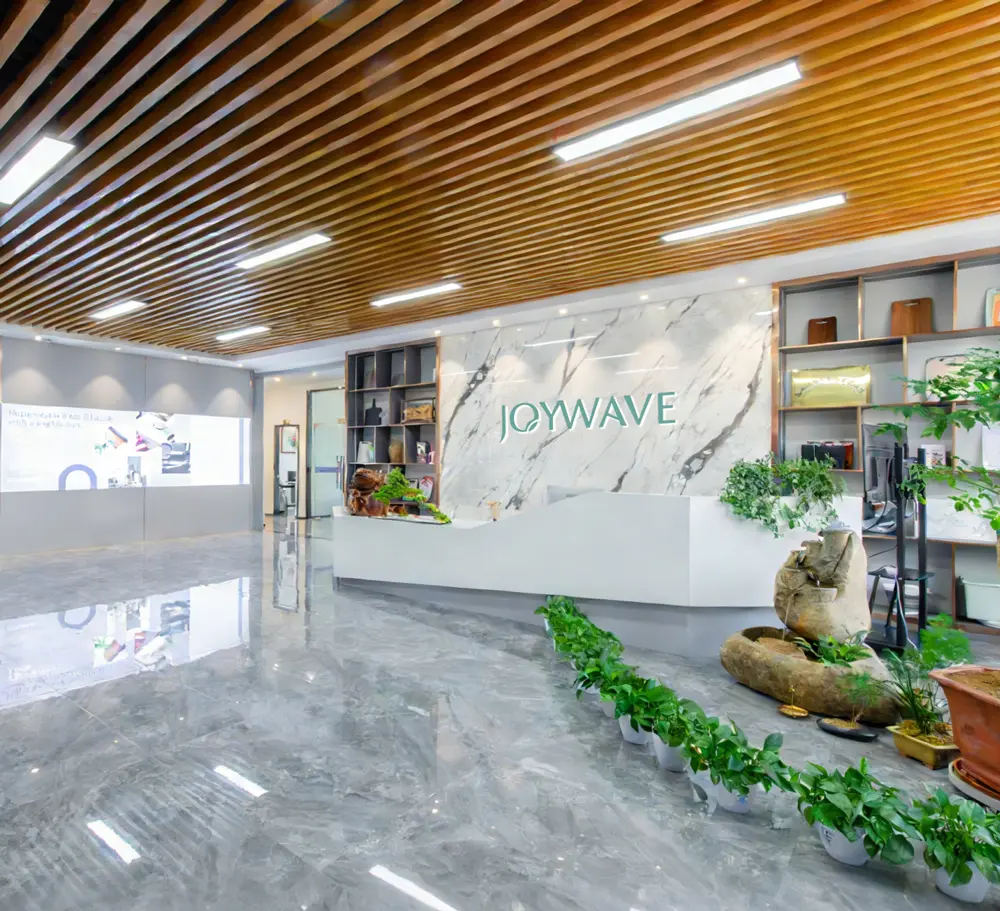
Premium solutions for home kitchens, industrial restaurants, and supermarkets across West Africa.
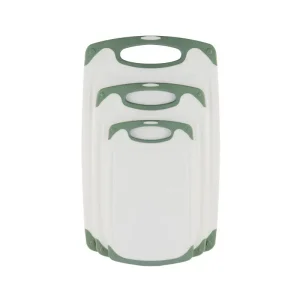
Answers to common operational, logistics, and material quality questions from West African commercial clients.
Acacia and Walnut are highly recommended. These hardwoods have a tight grain structure and dense fibers that absorb less moisture compared to softer options, making them highly resistant to swelling, warping, and bacterial growth in tropical environments.
Yes, we provide comprehensive documentation support for the Standards Organisation of Nigeria Conformity Assessment Programme (SONCAP). We handle the process of issuing the required Product Certificate (PC) and final SC certificate for smooth clearing in Lagos ports.
For wholesale custom styles (with custom sizes, branding, and packaging), our standard MOQ typically ranges from 1,000 to 2,000 units depending on the wood type and production requirements. Please contact our sales team to discuss specific parameters.
Every piece of raw timber undergoes a precision computer-controlled kiln drying cycle to bring moisture levels to a stabilized 8% - 12%. This level is optimal for wood preservation, preventing both excessive contraction during dry spells and swelling during the rainy season.
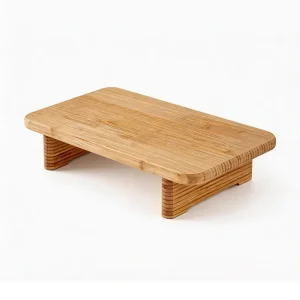
Absolutely. We offer customized laser engraving, stamping, and branding options to display your hotel, restaurant, or supermarket chain logo directly on the wood or bamboo surfaces during production.
Typically, production takes 30-45 days from sample approval. Maritime transit from Ningbo port to Lagos Apapa or Tin Can ports takes approximately 35-45 days, depending on shipping line schedules and seasonal factors.
Get in touch with our product engineering team to discuss material selections, SONCAP compliance, shipping configurations, and bulk discount structures.
Send Inquiry Now ➔ Joywave